Challenges and Skepticism Surround the Israel-Hamas Peace Deal
US President Trump Announces “Historic” Deal
Recently, US President Donald Trump claimed that a “historic” agreement had been reached. The deal supposedly entails the Palestinian militant group Hamas disarming completely and Israel withdrawing its forces from Gaza. Trump portrayed this as a significant step toward peace in the region.
Israel’s Reticence and Military Actions
Despite the announcement, Israel remained silent, expressing skepticism over the feasibility of Hamas and other militant groups in Gaza consenting to disarm. Soon after the deal was publicized, Israeli military operations in Gaza intensified.
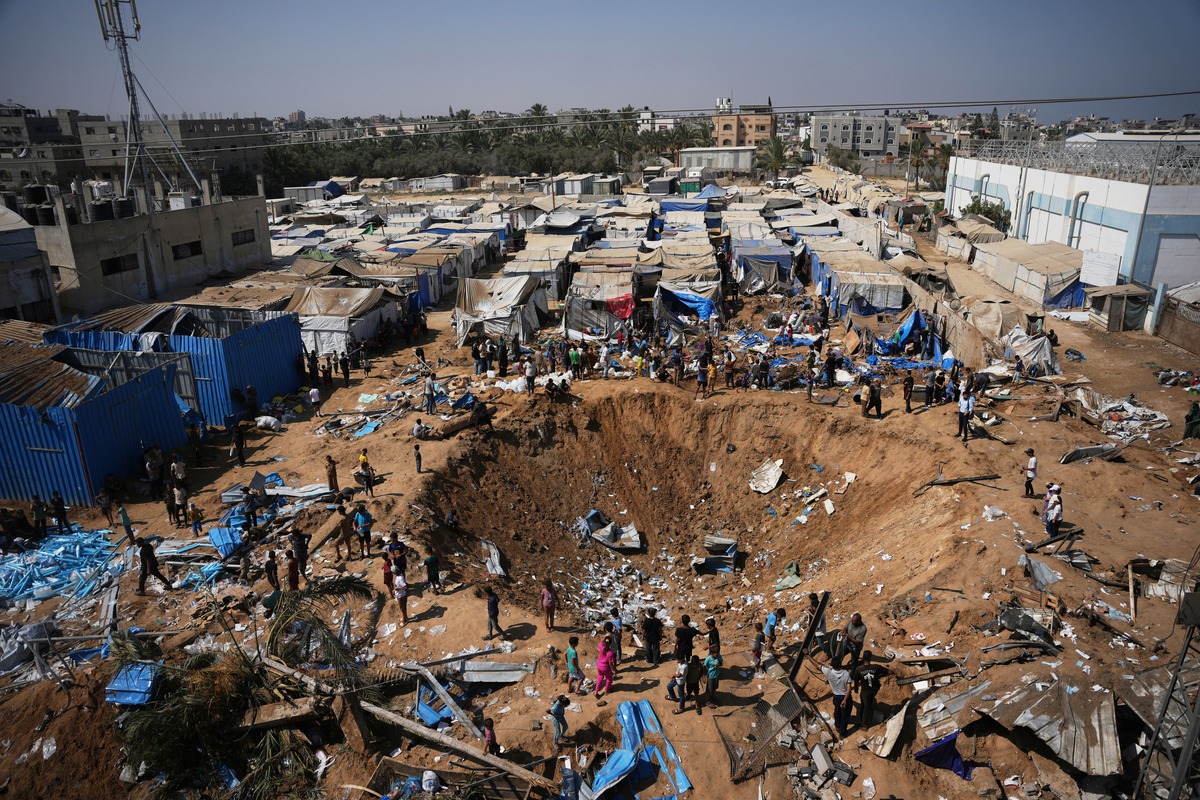
Medical reports from Gaza stated that Israeli attacks on Sunday resulted in at least 18 deaths. These actions have dampened expectations for a peaceful resolution to the conflict.
Political Hesitations and Motivations
Israeli Prime Minister Benjamin Netanyahu, anticipating elections in October, remains cautious. Shalom Lipner, a senior fellow with the Atlantic Council, mentioned that Netanyahu has not fulfilled his promise of achieving “total victory” over Hamas. Concerns persist among Israelis about the threat posed by Hamas. There is also apprehension regarding the efficacy of international forces in protecting Israel compared to the IDF.
According to Lipner, Netanyahu is intensifying efforts against Hamas, aware that the Trump plan might limit Israel’s options in the future.
Ceasefire and Its Challenges
A ceasefire brokered by various countries has technically been in effect in Gaza since 2025. However, Israeli strikes have persisted, leading to numerous casualties. Health officials reported over 1,250 fatalities and more than 4,000 injuries since the ceasefire was enacted.
The ongoing conflict traces back to the October 2023 attacks by Hamas on Israel, which resulted in around 1,200 Israeli deaths and 251 individuals taken as hostages into Gaza.
Efforts Toward a Lasting Peace
Progress beyond the initial ceasefire has been slow. Israeli strikes continue to strain efforts for disarmament in Gaza. On Sunday, Israeli strikes took the lives of several Palestinian militants and targeted Hamas weapons sites.
Countries like Qatar, Egypt, and Turkey have called for Israel to halt its bombing campaign, emphasizing the importance of adhering to international law and ceasefire commitments.
International Scrutiny and Humanitarian Concerns
“Violations threaten the path toward de-escalation and exacerbate the suffering of civilians in the Gaza Strip,” the mediating countries stated.
Israel faces accusations of genocide from UN experts, with a case filed by South Africa at the International Court of Justice. Although Israel denies these charges, the humanitarian crisis in Gaza is evident. Millions of residents face displacement and lack access to basic needs exacerbated by a severe heatwave.
Future Prospects
Reports suggest a meeting occurred between Nickolay Mladenov, a high representative for Gaza, and Netanyahu, urging the cessation of Israeli strikes. The Board of Peace stated Israeli forces would only retract to the Yellow Line once Hamas disarms.
The Yellow Line, defined in the 2025 ceasefire, originally divided Gaza control. Since then, Israel has expanded its control, refusing to withdraw until Hamas disarms.
Mladenov has condemned the recent violence and emphasized its detrimental impact on disarmament efforts.
Yossi Mekelberg of Chatham House underscored the necessity of trust for progress. Both parties need to adhere to existing agreements to advance peace attempts.