Polyethylene in Food Packaging and Its Impact on Liver Health
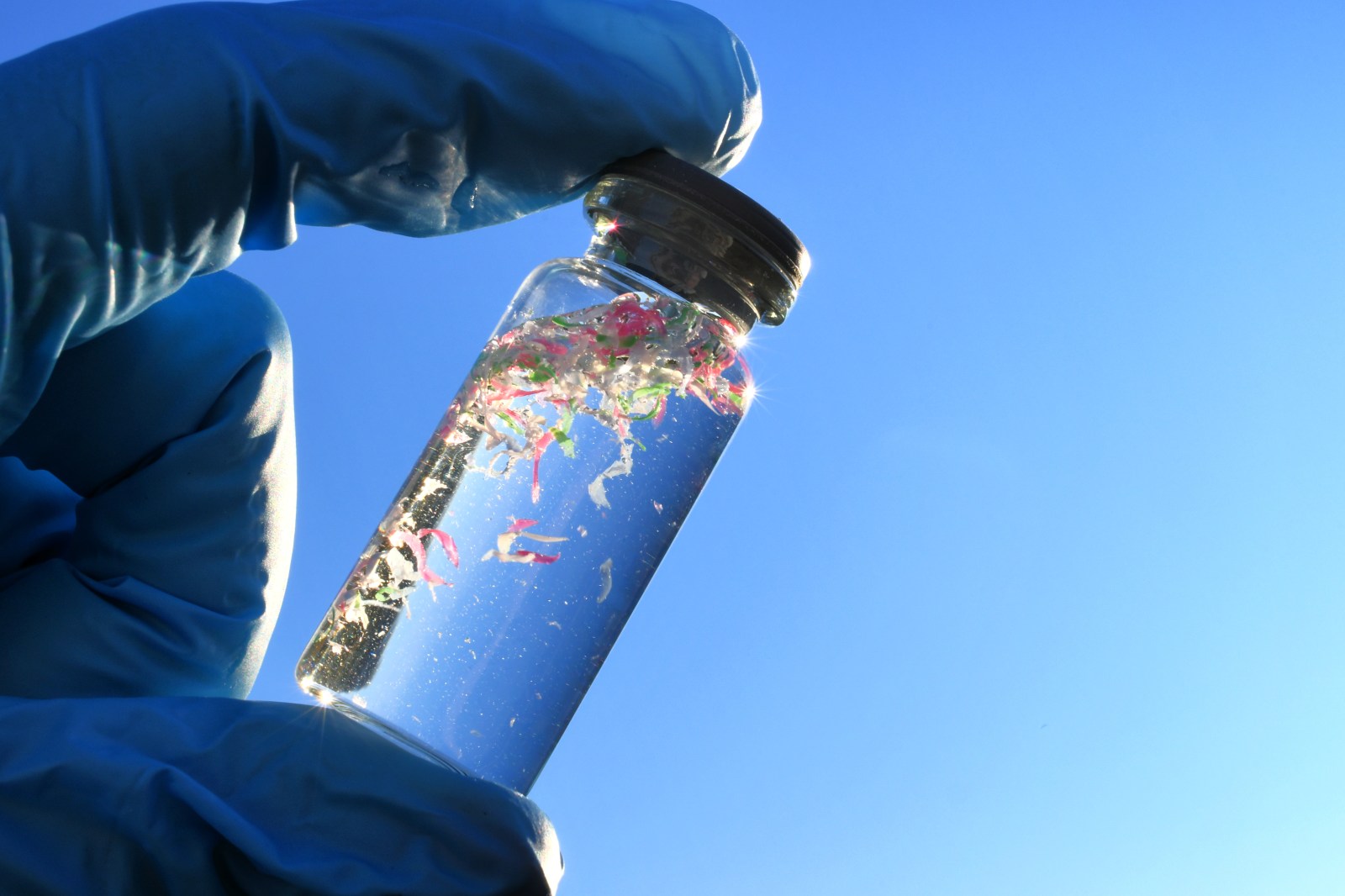
Recent research from Texas A&M University suggests that polyethylene, a common plastic used in food packaging, may contribute to fatty liver disease. The study found that polyethylene, despite its reputation as a biologically inert form of microplastic, can increase signs of fatty liver disease. This effect is even more pronounced when combined with an unhealthy diet high in fat, fructose, and cholesterol.
The Study of Polyethylene
Polyethylene is one of the most widely used plastics globally. Despite its prevalence, studies have largely overlooked its health impact. Dr. Adi Joshi, an associate professor involved in the study, highlights the importance of researching polyethylene’s effects on liver health.
Microplastics, including polyethylene, are found throughout the environment and even in human bodies. The Texas A&M researchers aimed to understand how polyethylene could contribute to fatty liver disease, a condition where excess fat accumulates in liver cells.
Polyethylene & Fatty Liver Disease
The study noted that polyethylene exposure intensified markers of liver disease, especially when combined with a Western-style diet rich in foods like burgers and sodas. Researchers collaborated with scientists from the University of Oklahoma, employing spatial transcriptomics to examine gene activity and identify specific areas of liver damage.
“Those who have a more Western-style diet may have a greater chance of progressing to fatty liver disease if exposed to polyethylene,” said Dr. Joshi.
Spatial transcriptomics pinpointed PPAR-alpha, a protein regulating fat production in the liver, as crucial in the organ’s response to polyethylene. The study also identified ANXA2, a gene related to tissue repair, as another factor contributing to liver disease.
Dr. Nhan Nguyen, not involved in the study, emphasized the significance of the findings. He noted that microplastic exposure has worsened liver disease in animal models and that biological pathways in mice may also apply to humans. Although polyethylene has been found in human liver tissue, Nguyen cautioned against drawing conclusions about human health based solely on the study’s findings.
“The study shows that in mice with diet-driven liver stress, polyethylene worsened injury markers,” Nguyen said. “It has NOT been shown in people, and exposure levels need comparison to realistic human intake.”
Future Research Directions
The Texas A&M researchers plan to explore whether polyethylene contributes to advanced stages of liver disease, such as fibrosis. They also aim to examine additional molecular pathways involved in the body’s response to microplastics and the effects of manipulating the PPAR-alpha pathway.
“This is the pioneering study showing polyethylene’s role in fatty liver disease,” Joshi said, emphasizing the value of spatial transcriptomics in identifying precise liver damage locations.
Nguyen articulated the need for further research but acknowledged the study’s potential role in raising public awareness of microplastics and environmental chemicals.
“As microplastics appear in headlines, public awareness about our exposure to these chemicals may improve,” Nguyen noted.
These findings have been published by Joshi et al. in Science Advances, with the DOI: 10.1126/sciadv.aec868.