Public Scrutiny and Body Image: The Case of Ariana Grande
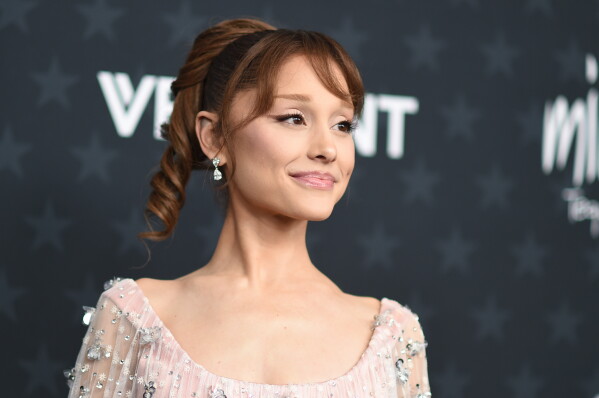
Ariana Grande recently released a music video and a new album, “Petal,” which has sparked discussions about her appearance. In a world filled with judgments and opinions, public figures like Grande often find themselves at the center of body image debates.
The scrutiny over Grande’s appearance, especially comments about her thinness and visible bone structure, brings up a key question: Should we comment on other people’s bodies? Some argue these conversations can become forms of body-shaming, especially targeting women in the public eye; others believe it’s a matter of concern for her health and the influence on her fans.
Throughout her career, Grande has faced public commentary on her body. She has consistently stated her discomfort with such discussions, emphasizing that they are unwelcome. Her representative announced plans for Grande to step back from public life due to the continuous scrutiny she faces.
I don’t need someone to save me. I’m not a victim.
In her recent video, Grande critiques the constant judgment experienced by celebrities. Johanna Kandel, CEO of the National Alliance for Eating Disorders, highlights the need for intention behind comments on body image. She asks, “What is the intent versus the impact?”
The obsession with celebrities’ appearances has been an ongoing issue. Aggression in this scrutiny aims mostly at women, despite efforts to promote body acceptance. The rise of weight-loss medications used by celebrities has further complicated perceptions of beauty, thinness, and health. This cultural shift raises concerns about its impact on those struggling with body image or eating disorders.
Allison Butler from the University of Massachusetts notes that these stories limit both our understanding of celebrities and ourselves. Public discussions about famous people’s bodies perpetuate the idea that appearances should be publicly scrutinized. Psychologist Rachel Goldman advises resisting speculation about celebrity bodies, as these conversations can suggest that appearance dictates value.
Goldman asserts that discussions shouldn’t ignore eating disorders but should focus on open conversations. Kandel shares her experiences, describing initial approaches to her eating disorder as lacking empathy. She stresses the importance of addressing such topics with curiosity and compassion, not criticism.
For parents, talking to children about these issues is challenging. Goldman recommends focusing on societal messages about appearances rather than judgments. Jennifer Hill, a pediatric nurse, aims to teach her daughter and patients that worth is unrelated to body size or shape. Hill believes in guiding conversations and allowing young people to voice themselves.
Recently, Grande addressed her fans directly, acknowledging their concerns while emphasizing the positive impact of her career. She remarked that boundaries are necessary, and that taking breaks is sometimes essential.
Support Resources: For those experiencing body image or eating disorders, the National Alliance for Eating Disorders offers a helpline at (866) 662-1235, available Monday through Friday, 9 a.m. to 7 p.m. EST.