Sheikh Hasina Plans Return to Bangladesh Amid Sentencing
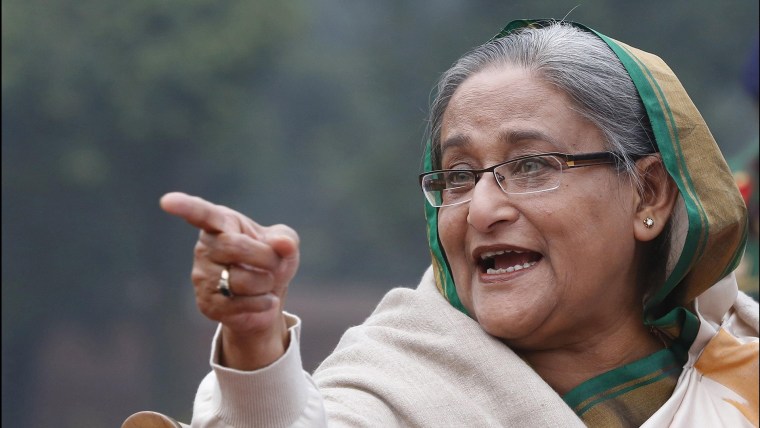
Former Bangladeshi Prime Minister Sheikh Hasina announced plans to return to her home country in December after living in exile in India. Despite facing a death sentence for her role in a crackdown on protesters in 2024, Hasina declared her intent to voluntarily come back, underscoring her duty to her people. She was convicted in absentia on charges of crimes against humanity related to the suppression of protests that toppled her government.
Following her address at an event in New Delhi, Bangladesh expressed strong disapproval. The Ministry of Foreign Affairs criticized Hasina’s position, accusing her of spreading negative remarks against the state and its citizens. The ministry’s statement highlighted the event’s unfortunate timing, which coincided with the second anniversary of the July Revolution, marking it as disrespectful to Bangladesh’s sovereignty and the revolution’s martyrs.
Hasina has resided in India since 2024 when she fled following student-led protests that led to her removal from office. In 2025, she was sentenced to death for ordering the crackdown, which a UN report claimed resulted in nearly 1,400 deaths. She maintains her innocence and opposes any wrongdoing.
Bangladesh has repeatedly requested Hasina’s extradition, but India has not complied. She recognizes the risks of returning, including imprisonment or possible death, yet remains determined to fulfill her obligations to the Bangladeshi people.
In related events, anti-Hasina protesters attempted to breach her former residence in Dhaka in November. Concurrently, calls were made for the unbanning of Hasina’s political party, the Awami League, and the release of political prisoners.
On the same day, Bangladesh Prime Minister Tarique Rahman opened a museum in Dhaka, dedicated to the 2024 uprising. The July Mass Uprising Memorial Museum, located in Hasina’s former official residence, was initiated by the interim government of Nobel laureate Muhammad Yunus, who took charge shortly after Hasina was ousted. Yunus was present at the inauguration alongside Rahman.
The museum showcases audio-visual exhibits about the uprising and stores personal items of those who lost their lives. It also features newspaper clippings from the era, documenting allegations of political oppression during Hasina’s 15-year rule. Rahman achieved a significant electoral victory in February, taking office in an election managed by Yunus’ interim government, which denied Hasina’s Awami League the chance to contest.