Cambodia Reaches U.N. HIV Control Targets, Leading Asia
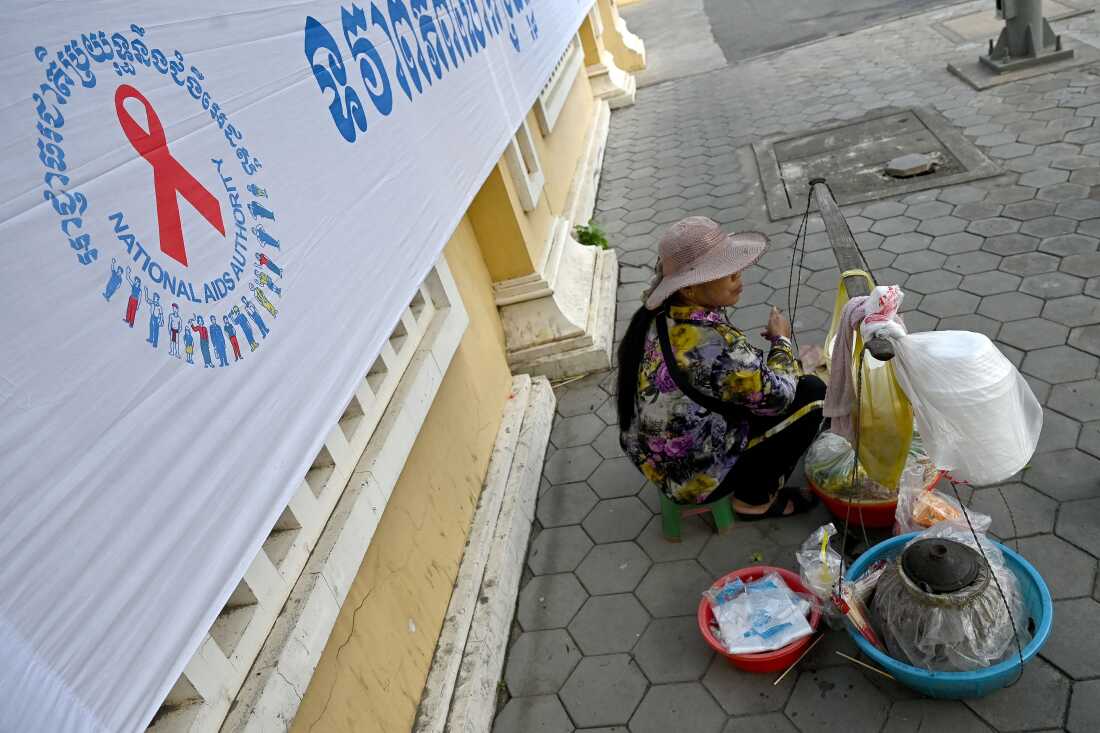
Cambodia has become the first country in Asia to achieve the United Nations’ ambitious targets for controlling HIV. This milestone is a part of the U.N.’s 95-95-95 targets, where 95% of people with HIV know their status, 95% of those diagnosed receive treatment, and 95% of those on treatment are virally suppressed. This notable achievement means a drastically reduced risk of HIV transmission among treated individuals.
As of June, Cambodia joined only 11 nations globally to surpass these targets, most being African nations and Denmark in Europe. However, many Asian countries, including economically advanced nations like Japan and South Korea, still struggle with these goals.
Dr. Annette Sohn from amfAR’s TREAT Asia program highlights that stigma surrounding HIV remains a significant obstacle. In Cambodia, success came by focusing on providing healthcare in environments where patients felt accepted. This approach helped Cambodia overcome the challenges of stigma and discrimination.
“Sometimes people will think — why is it that we are not able to manage HIV control? The No. 1 challenge continues to be stigma,”says Dr. Sohn.
A Story of Personal Triumph
Sophal Seum, once infected with HIV in 2000, faced job loss due to mandatory testing but now advocates for those living with the virus. By receiving medication and support, he found hope. Seum helps communities by organizing meetings and providing counseling to those affected by HIV.
Reflecting on the past, Seum described the fear and misunderstanding surrounding the virus when people knew little about HIV and its consequences.
Political Will and Strategic Programs
Cambodia’s efforts began in the late 1990s with strong political support from both the monarchy and elected government. A public health campaign advocating for condom use proved effective, with early adoption among sex workers.
In 2003, the Cambodian government made HIV medications free with aid from the Global Fund, allowing extensive access to antiretroviral therapy. Chamreun Chob Sok, leading KHANA, outlines that early programs targeted military personnel, police, garment workers, and sex workers — segments with higher initial HIV prevalence.
As rates declined overall, focus shifted to vulnerable groups, thus addressing a concentrated epidemic. KHANA has been instrumental through community-led initiatives such as SmartGirl and outreach by LGBTQ+ groups.
Programs like SmartGirl, led by female entertainment workers, and Srey Sros, led by transgender counselors, provided targeted testing, counseling, and healthcare access. These community-driven models helped ensure acceptance and tailored services for high-risk groups.
Community Stories Fueling Progress
Dalish Prum, a program manager for CPN+ and an HIV-positive advocate, shares how her experience has propelled her work. After an ordeal in her youth, she has become a prominent figure speaking on behalf of people living with HIV.
Despite personal challenges, Prum pursued education, married, and started a family, all while maintaining the virus at undetectable levels through treatment. She encourages others in similar situations that a fulfilling life is achievable with HIV.
“Life with HIV is possible,”Prum advises, urging self-love and dignity.
Cambodia’s story offers a model of integrated care and community involvement. With continued efforts, they strive to maintain and further their progress, setting a benchmark for other nations in the region.