American Views on AI and Employment
Many Americans continue to express concern that artificial intelligence (AI) will lead to fewer jobs in the United States. A significant portion of the population remains worried not only about job losses but also about the government’s ability to regulate AI technology properly.
Concerns About AI Policy
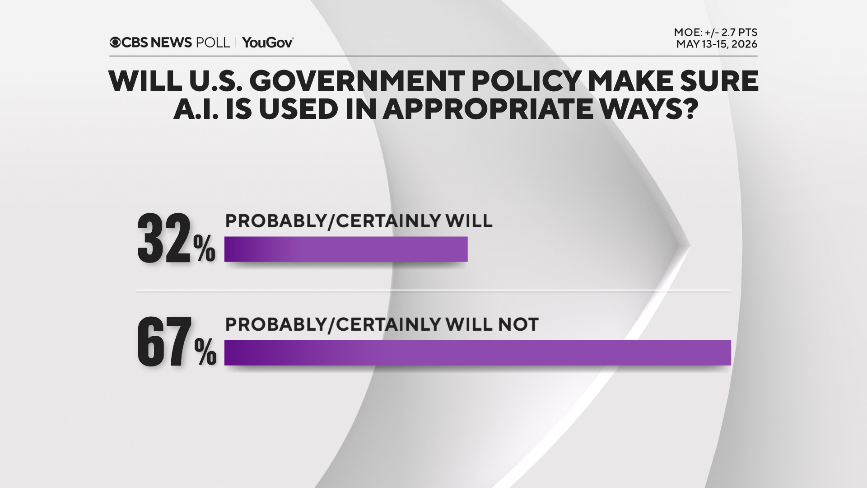
The skepticism about government policy is widespread. Across various age groups and education levels, many doubt that appropriate policies will be implemented. This sentiment is shared by both Democrats and independents, while Republicans show more divided opinions.
Motives Behind AI Development
Americans perceive several reasons for the encouragement of AI use by companies. These include making everyday tasks more manageable and replacing human labor. Two-thirds of those surveyed believe that the U.S. government will not ensure AI is used appropriately. Among these individuals, there is a stronger belief that AI will negatively impact employment in the U.S.
Many Americans suspect that AI companies and developers pursue AI for self-empowerment and reducing reliance on human workers. While a substantial majority notes this, a smaller majority acknowledges that AI could also advance scientific and medical research and simplify human tasks.
AI’s Impact on Employment
The belief that AI will reduce job availability remains consistent with the previous year. Both young and older individuals believe in the potential job losses due to AI, though the younger demographic shows a slightly lower level of concern. This could be attributed to their higher familiarity and usage of AI.
Historically, younger Americans report higher personal engagement with AI tools and a better understanding of their functionality compared to older generations.
This information is based on a survey by CBS News/YouGov, conducted with 2,064 U.S. adults from May 13-15, 2026. The sample was made to reflect the national adult population in terms of gender, age, race, and education, using data from the U.S. Census American Community Survey and Current Population Survey. The margin of error for this survey is ±2.7 points.