Rapid Spread of Ebola in Congo Poses High Risk Nationally
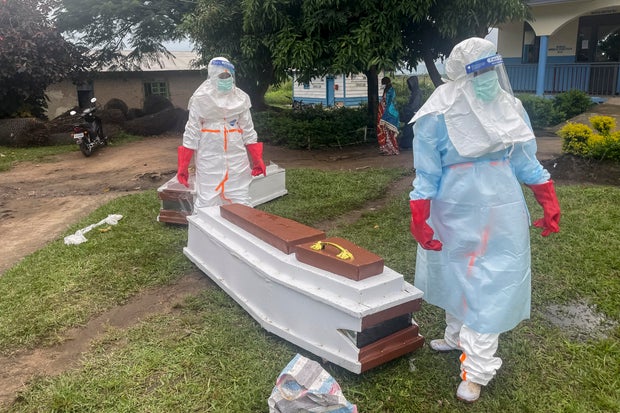
The World Health Organization (WHO) warns that the Ebola outbreak in the Democratic Republic of Congo is spreading swiftly, now presenting a ‘very high’ risk at the national level. In response, authorities in northeastern Congo have prohibited funeral wakes and gatherings exceeding 50 people.
WHO Director-General Tedros Adhanom Ghebreyesus announced the elevated risk assessment for Congo, contrasting it with lower concerns outside the nation. Within Congo, 82 cases and seven deaths have been confirmed, but with nearly 750 suspected cases and 177 suspected deaths, the actual epidemic is believed to be much larger.
The situation in Uganda remains stable with two confirmed cases and one death. Temporary bans on wakes and gatherings have been enacted, and journalists must now obtain permits to report on the outbreak, complicating their work.
Tensions have risen due to misinformation and cultural clashes regarding burial rites. An Ebola treatment center in Rwampara was torched after locals were prevented from reclaiming a deceased man’s body. Such incidents highlight the challenges health workers face as they enforce preventative measures against this deadly virus.
Officials caution that bodies of Ebola victims can be highly contagious. Therefore, handling and burial are conducted under strict health protocols, which sometimes face resistance from grieving families.
Deputy Senior Commissioner Jean Claude Mukendi emphasized the need for adherence to burial regulations, despite families’ desire for traditional funerals. The situation was reportedly brought under control, allowing aid efforts to resume.
The outbreak’s complexity is exacerbated by weak healthcare infrastructure and inadequate surveillance, worsened by international aid cuts. Over 920,000 internally displaced people in Ituri Province further impede response efforts. Additionally, violence from ISIS-linked militants has caused fatalities in neighboring regions, complicating crisis management.
Health workers urgently require increased supplies and personnel, especially since no vaccine or treatment is readily available for the Bundibugyo strain responsible for the outbreak. Developing a vaccine might take six to nine months.
Ebola spreads through bodily fluids, manifesting with symptoms like fever, vomiting, and diarrhea. The virus circulated undetected for weeks following the initial death, complicating containment as health authorities initially tested for a different Ebola strain.
The U.S. has implemented travel restrictions for individuals from Congo, Uganda, and South Sudan. Affected travelers are subject to screenings upon entering the U.S.
The India-Africa Forum Summit in New Delhi and Congo’s soccer team’s World Cup preparations have both been postponed as a result of the evolving health crisis.