Burbank’s Dynamic Strategy Boosts Downtown Growth
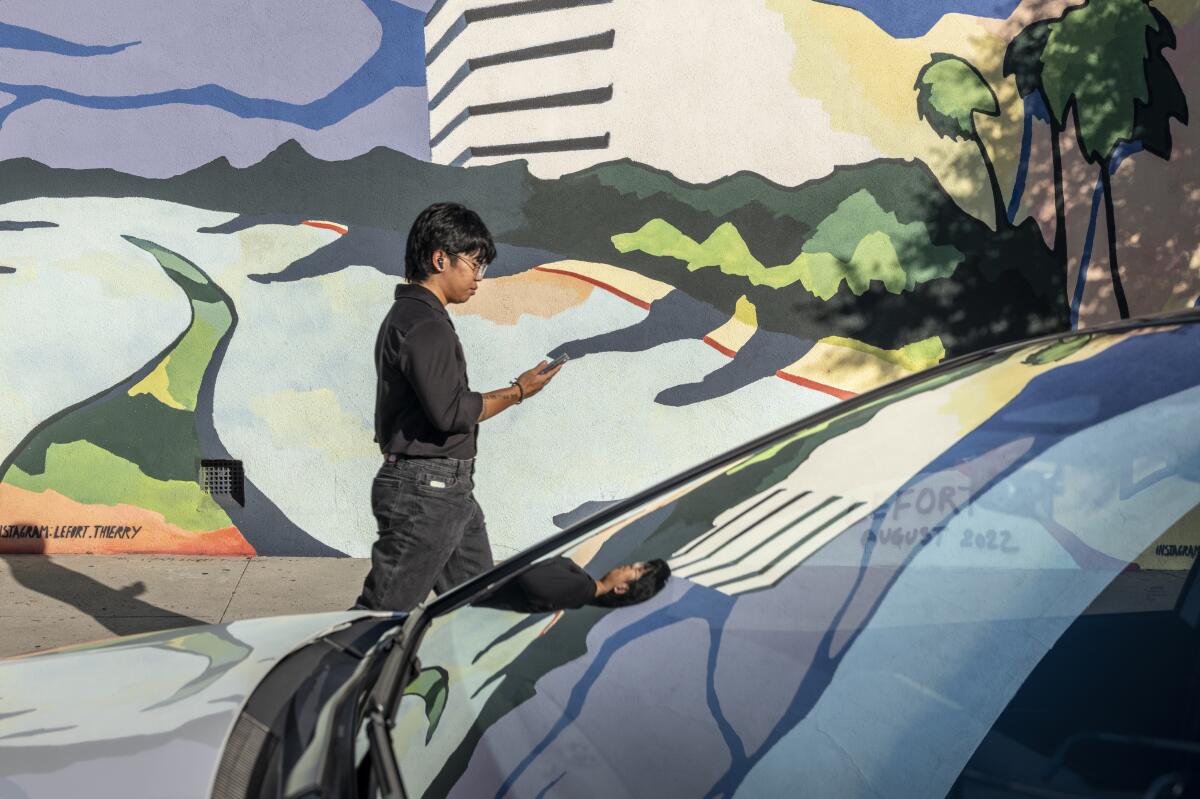
Burbank continues to transform itself into a bustling destination. A key factor in this change is the city’s pro-business approach and proactive outreach. This strategy was instrumental in attracting a trendy tenant like Van Leeuwen Ice Cream to its downtown area.
Kurt Kaufman from West Coast Investors shared that a senior city official played a pivotal role during the negotiation process in April. The official emphasized Burbank’s efficient processes compared to Los Angeles, facilitating a swift opening for Van Leeuwen.
Normally, Van Leeuwen anticipated delays, but city support enabled opening in time for the summer peak. Downtown Burbank’s success is driven by its focus on business-friendly policies, aiding the homeless, and maintaining a clean environment. Community Development Director Patrick Prescott underlines the importance of constant maintenance and outreach to keep businesses engaged.
Despite its former reputation as a humorous reference on shows like “The Tonight Show Starring Johnny Carson,” Burbank has evolved. It retains iconic landmarks such as Bob’s Big Boy and the quirky Milt & Edie’s tailor. Young city staff are building a new identity for this enclave, home to major studios like Warner Bros. Discovery and Walt Disney. The updated Hollywood Burbank Airport reflects this broader branding effort, boasting a new $1.3-billion terminal due to open soon.
The city’s strategy includes maintaining unique local enterprises while attracting new, desired businesses. A dedicated team actively seeks popular retailers such as H&M and Sephora, achieving impressive results. City representatives also attend major events to generate interest among potential tenants.
Mary Hamzoian, economic development manager, highlighted the city’s success in bringing businesses like Sephora and the country’s largest IKEA to Burbank.
Nella McOsker from the Central City Association suggests downtown Los Angeles could benefit from Burbank’s strategy, advocating for a supportive environment for retailers. McOsker argues that progressive values and economic growth can coexist harmoniously.
Burbank, with a population of about 100,000, sees this number double during working hours. The city actively engages existing businesses to prevent them from relocating. Furthermore, Burbank plans to build 10,000 housing units downtown, an initiative supported by streamlining the approval process.
Chris Tourtellotte, an apartment developer, notes the significant job-to-housing imbalance in Burbank, contrasting it with other areas like the Bay Area and Los Angeles. His company, LaTerra Development, recently completed a 575-unit complex and aims to start an even larger project near the Hollywood Burbank Airport soon.
Not all residents embrace development, though attitudes are changing. Real estate consultant Chris Baer acknowledges past resistance but notes a growing acceptance of necessary housing developments. Locals aim to preserve the charm of Burbank while accommodating growth. Entrepreneur J.C. Reifenberg describes Burbank as “nerdy in a good way” and is opening another bar downtown, recognizing the value of accessible parking and community feel.
Burbank’s downtown area hosts venues like Scum & Villany, a Star Wars-themed bar. Owner Reifenberg notes cheaper rent compared to Hollywood, bringing excitement and community interaction to Burbank’s streets. He highlights the diverse retail and entertainment options attracting enthusiasts to the area.