Federal Review Challenges California’s Coastal Authority
The Trump administration has pursued plans to develop the California coast with projects like desalination plants and floating nuclear reactors. However, the Coastal Zone Management Act (CZMA) stands in the way. This law allows coastal states like California to review and challenge federal projects that conflict with state policies.
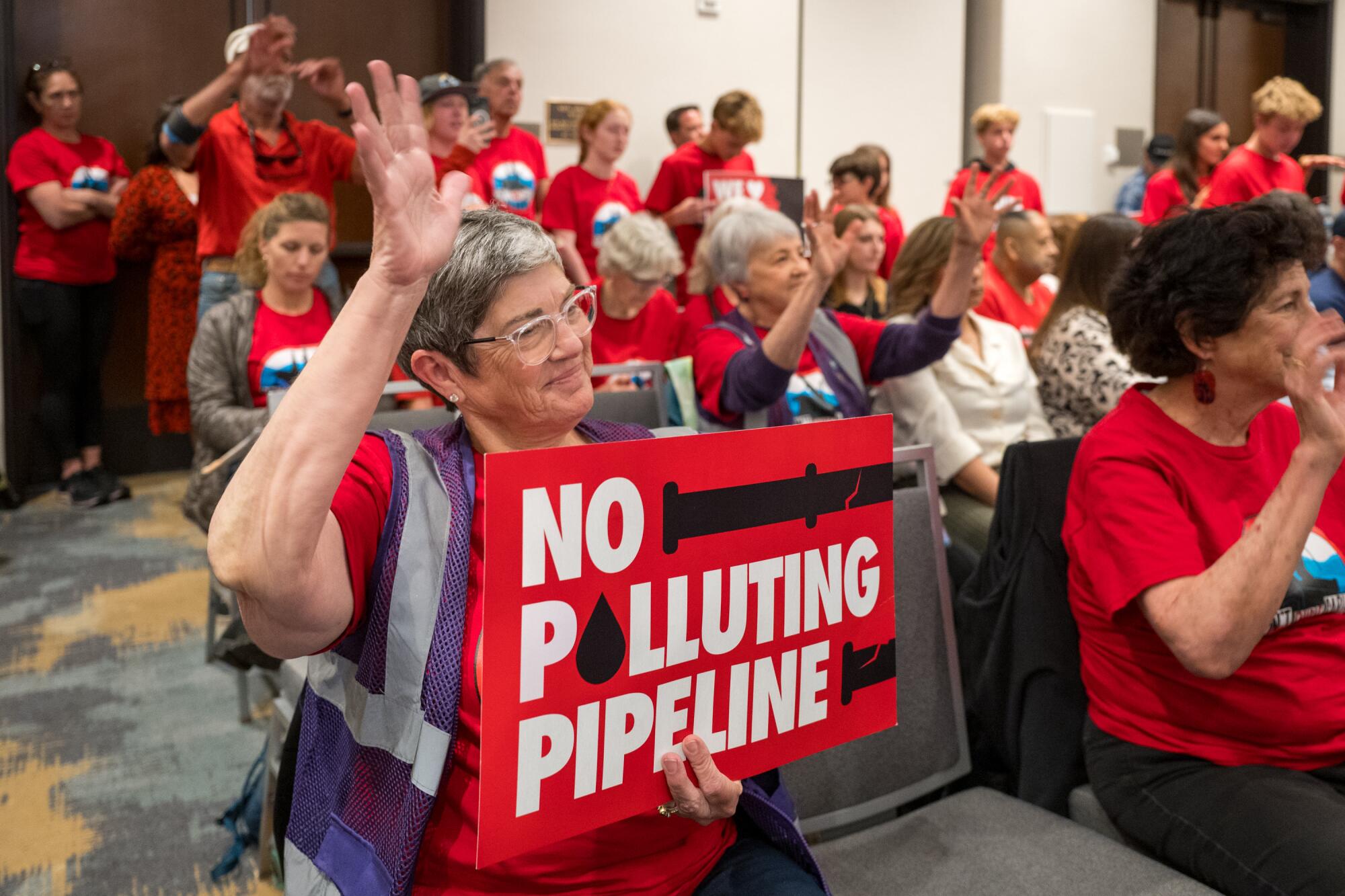
Trump officials claim California’s “environmental extremism” is excessive, attempting to reduce the state’s authority under the CZMA. A public hearing in Santa Monica marks the beginning of this challenge, where many Californians will express their concerns.
The review is carried out by the National Oceanic and Atmospheric Administration’s Office for Coastal Management, amidst broader efforts to loosen environmental regulations. The Santa Barbara coast is a focal point due to a Houston-based oil company’s attempt to bypass state oversight with the administration’s help.
“This administration is essentially looking to silence the voices of states and local governments.” – Meg Caldwell, Stanford University
The CZMA, established by President Nixon in 1972, empowers coastal states to guide federal project evaluations. Coastal and Great Lakes states can create state-specific coastal management plans that federal officials must respect.
Throughout its history, California’s Coastal Commission, responsible for upholding the CZMA, has opposed only 4% of over 3,700 federal actions since the 1970s. Examples include halting oil leases and blocking a hazardous liquefied natural gas port.
Tensions have risen between the Trump administration and the coastal commission, especially over SpaceX launches. U.S. Commerce Secretary Howard Lutnick criticized California’s alleged “bad faith” obstruction of spaceport development and announced a new review of the CZMA compliance.
Performance reviews under the CZMA happen every 5 to 10 years. Uniquely, California underwent a review during the Biden administration that praised its compliance. This continuation of the review is seen as unprecedented.
Experts, like Joel Reynolds from the Natural Resources Defense Council, argue the challenge against California’s practices may not hold in court. Derek Brockbank from the Coastal States Organization warns such actions could affect other coastal states.
If California’s coastal management program faces issues, the state can respond to proposed changes. Several steps and discussions should take place before any decertification occurs.
“The bottom line is that we stand on our record.” – Kate Huckelbridge, California Coastal Commission
The commission has encountered challenges in the past, but the Trump administration’s focus has incited broader public support. Over 8,250 businesses and environmental groups express concern over potential detrimental developments.
A Public Policy Institute of California poll shows 82% view the commission’s formation favorably. Susan Jordan, of the California Coastal Protection Network, notes increased public awareness and mobilization in support of the commission’s role.
Governor Gavin Newsom encourages public opposition against perceived federal overreach on coastal matters. California aims to defend its coastal legacy and rights under the CZMA.
“We won’t stand by while Trump sidelines the people who rely on and care for California’s coast.” – Gavin Newsom