Federal Decertification of Organ Procurement Organization in Kentucky
The U.S. Department of Health and Human Services has initiated the decertification process for Network for Hope, an organ procurement organization serving Kentucky and parts of Indiana, Ohio, and West Virginia. This action follows federal reviews uncovering significant patient safety violations.
The Centers for Medicare & Medicaid Services made this move after investigations revealed ongoing safety concerns. These included cases where the organ harvesting process began on patients who still had active signs of life.
Details from HHS Secretary’s Interview
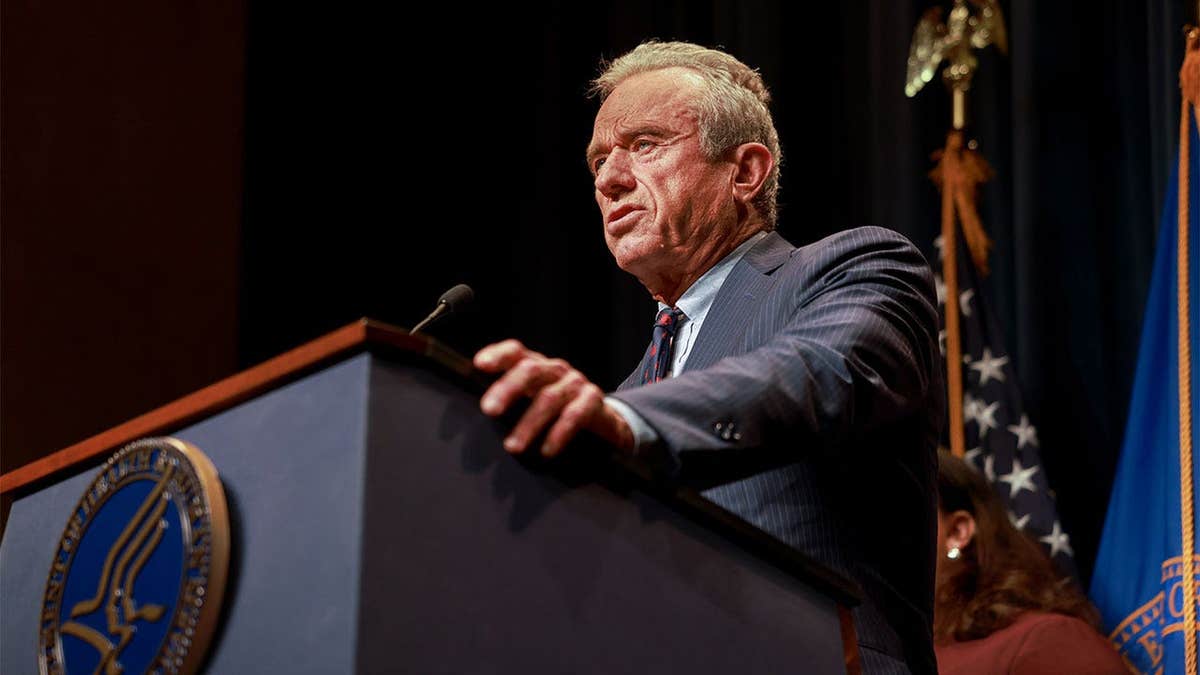
In an interview highlighted on America’s Newsroom, Dr. Marc Siegel shared insights from his discussion with Health and Human Services Secretary Robert F. Kennedy Jr. about actions taken against the nonprofit organization.
Siegel quoted Kennedy, who emphasized the department’s commitment to ethical organ donation practices. This stance is deeply personal for Kennedy, given his family’s experience with organ donation.
Network for Hope’s CEO intends to challenge the federal action, asserting compliance with all organ procurement regulations.
Safety Concerns and Investigation Findings
Siegel discussed the troubling case of TJ Hoover, where Network for Hope nearly removed his organs while he was still alive. Kennedy highlighted that organ procurement continued despite visible signs of life until the attending physician halted the process.
An examination by HHS’ Health Resources and Services Administration covered 351 cases from 2021 to 2024 at Network for Hope. These cases involved authorized organ donations that were not completed.
The review identified several issues, including 73 patients who exhibited neurological signs incompatible with organ donation. The organization reportedly pressured medical staff to proceed despite these signs.
Problems in Protocol and Practice
Federal officials noted critical inadequacies such as poor neurological assessments, lack of coordination with hospital teams, questionable consent practices, and incorrect classification of causes of death.
Siegel pointed out 30% of the procedures reviewed had serious issues. He underscored the gravity of unethical practices within organizations willing to overlook standards.
Despite these findings, Kennedy remains a proponent of ethical organ donation, reflecting on the life-saving impact of such acts. His nephew, Michael Hines, donated his organs after his death, saving multiple lives.