Timely Intervention Saves Stroke Patient Thanks to Quick Medical Action
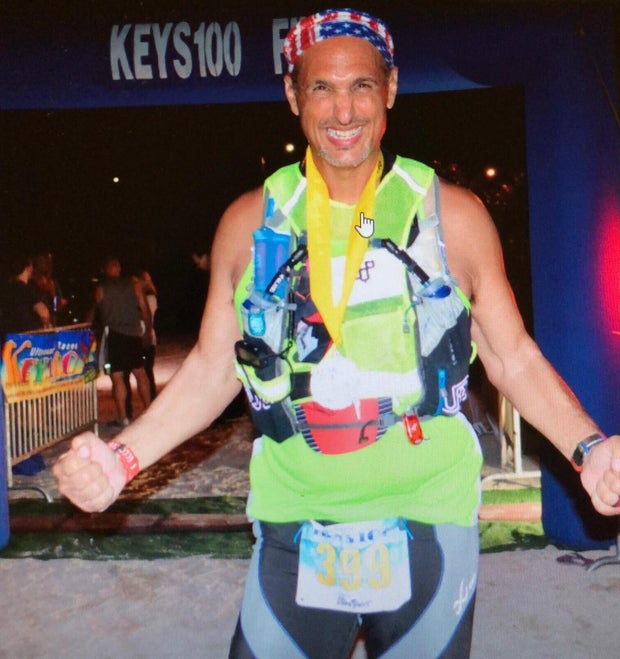
Todd Meiklejohn experienced an ordinary start to his day on August 8, 2025. A teacher involved in adult education, he began his morning early to attend a scheduled meeting. His wife, a nurse, had already left to visit the gym. As he continued his morning routine, a sudden, intense pain took hold. After that, his memory became unclear. He found he could only see from one eye and was unable to move the right side of his body. Despite remaining conscious, he was unsure of what was happening.
“I must have left the bathroom,” Meiklejohn explained. “I remember being unable to move my right side.” Despite being a skilled athlete and cyclist, the sudden weakness frightened him. “I kept trying to stand, but I lacked the strength,” he recounted.
Roughly 45 minutes after Meiklejohn’s fall, his wife returned home and discovered him on the floor. She immediately called emergency services. He was rushed to the Miami Neuroscience Institute at Baptist Health, where doctors diagnosed a severe stroke.
“In stroke cases, ‘time is brain,'” stated Dr. Guilherme Dabus, the interventional neuroradiologist treating Meiklejohn.
A stroke results from interrupted blood flow to the brain, which then deprives it of oxygen. When oxygen is cut off, brain tissue starts to degrade. Restoring blood flow quickly minimizes the potential for enduring damage.
Doctors decided to perform a mechanical thrombectomy, using a catheter to remove the blockage. Restoring blood flow in this way “almost resuscitates” the brain, said Dabus. Meiklejohn entered surgery just 38 minutes after his wife made the 911 call. Because he received such swift treatment, he experienced minimal permanent damage, able to speak and move his right side shortly after surgery. Remarkably, he was discharged less than two days after his stroke. Dabus termed his recovery as “amazing.”
“I remember Dr. Dabus telling me, ‘You’re a miracle,'” Meiklejohn said. “I am one of the fortunate patients able to walk away and share my story.”
Heart Defect Identified as Cause
After managing the immediate health crisis, doctors sought to discover why such a severe stroke occurred in an otherwise active, healthy man in his mid-50s. Initially, they hypothesized that a blood clot from his leg moved to the brain, but tests ruled this out. Focus shifted to his cardiac health.
Tests revealed Meiklejohn had a heart defect known as patent foramen ovale (PFO). This defect involves a small opening between the heart’s upper chambers that usually closes after birth. According to Dr. Eihab Ghantous from NYU Langone’s Adult Congenital Heart Disease Program, up to 30% of adults retain this defect, which is mostly harmless.
However, in rare cases, the defect can allow clots to travel to the brain, causing strokes. Normal bodily processes often cause small clots to develop in the legs, which usually dissolve in the lungs. But occasionally, a clot passes through a PFO, potentially causing a stroke. This scenario is generally only considered when other causes are ruled out, noted Ghantous.
In Meiklejohn’s case, doctors identified the PFO as the pathway through which a clot reached his brain. “The clot was effectively ejected from the heart,” Dabus specified.
Recovery and Advocacy
Once doctors identified the PFO, Meiklejohn underwent a straightforward procedure to close the opening. Dabus confirmed the procedure’s success, noting the minimal likelihood of another stroke occurring.
One year later, Meiklejohn concentrated on regaining strength and endurance. He resumed work four weeks post-surgery and completed a 100-mile cycling event two months after the stroke. Although he has some scars from his injuries, he is vigilant about monitoring his blood pressure and heart rate.
The experience has prompted Meiklejohn to advocate for prompt stroke treatment and emphasize to others the crucial impact of quick action. “Many people are affected, or know someone who is,” he remarked. “But until you experience it, you can’t fully comprehend the importance of fast treatment.”
Todd Meiklejohn’s story serves as a reminder that quick medical intervention can lead to positive outcomes even in critical situations.