Spokane Wildfires: Evacuations and Response Efforts
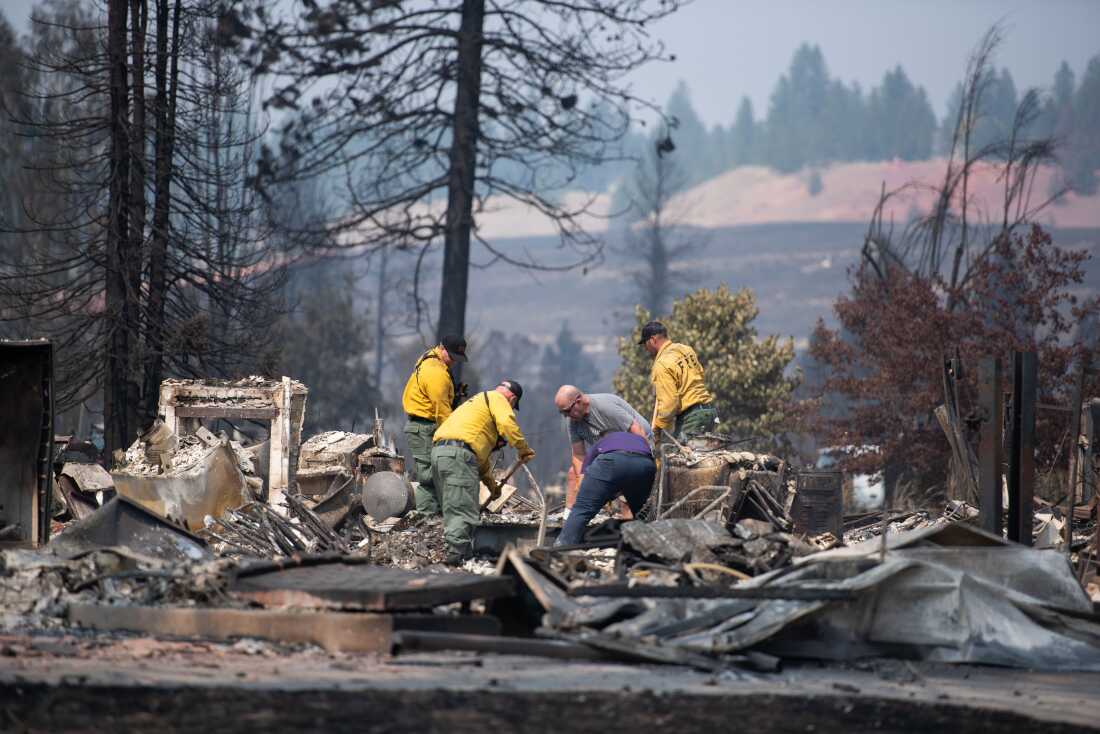
Spokane Faces Devastating Wildfires
In Spokane, Washington, a metropolitan area with over half a million residents, wildfires have wreaked havoc, destroying entire neighborhoods. Approximately 65,000 people have been evacuated due to these fires. Emergency responders assess the damage, which includes more than 800 structures across Spokane County, yet fortunately, there have been no fatalities reported.
Effective Evacuation and Response
Sarah Nuss, Spokane’s director of emergency management, highlighted the success of the evacuations. “People were able to get out within a reasonable amount of time, and we have not learned of any deaths or injuries related to the evacuations or the fires,” she stated. Historically, wildfires in urban settings have resulted in significant casualties, making Spokane’s lack of fatalities notable.
Spokane County Sheriff John Nowels praised the evacuation efforts, which included nursing homes, a dementia care center, and the Veterans Affairs hospital campus. “We were able to get people out within several hours in an active fire, which is remarkable,” he stated.
Residents’ Experiences
As fires like the Old Trails Fire crossed the Spokane River and moved rapidly into wooded urban areas, residents like Terry and Warren Clark had to evacuate swiftly. The Clarks, living near the Wildland Urban Interface (WUI), managed to leave safely despite the proximity of fire to their home.
The WUI describes zones where forests meet densely populated areas, posing significant fire risks. Although it’s challenging to determine what spared lives, experts believe better coordination during emergencies plays a crucial role.
Fire Management Improvements
Hugh Safford from the University of California at Davis noted advancements in forecasting over the past decade. With enhanced forecasting, resources such as trucks and firefighters can be pre-positioned for rapid response during red flag warnings.
Strategies in Spokane included advanced warnings of extreme weather conditions contributing to wildfire risks. Local leaders have long anticipated such fires, influenced by climate change. They have worked on preparing the community for evacuation through mass drills.
Challenges and Future Preparedness
Nuss acknowledged preparing for wildfires has been a significant concern, with her office leading drills in vulnerable neighborhoods. She emphasized climate change impacts, such as longer summers and reduced precipitation, increasing fire risks.
Wildland Firefighting Risks
Despite improved data to manage fire crises, challenges persist. Rapid development into wildlands, historical fire suppression increasing fuel loads, and rising CO2 levels contribute to the difficulty. In recent weeks, five firefighters have died battling fires, highlighting the growing danger.
Jose Ibarra, a crew boss trainee, emphasized the urgency of mitigating fire risks in urban areas, stating, “You can see right now … that stump is smoking, that’s why we’re here.” Preventing the fire from rekindling remains critical.