Massachusetts Expands Abortion Access with New Legislation
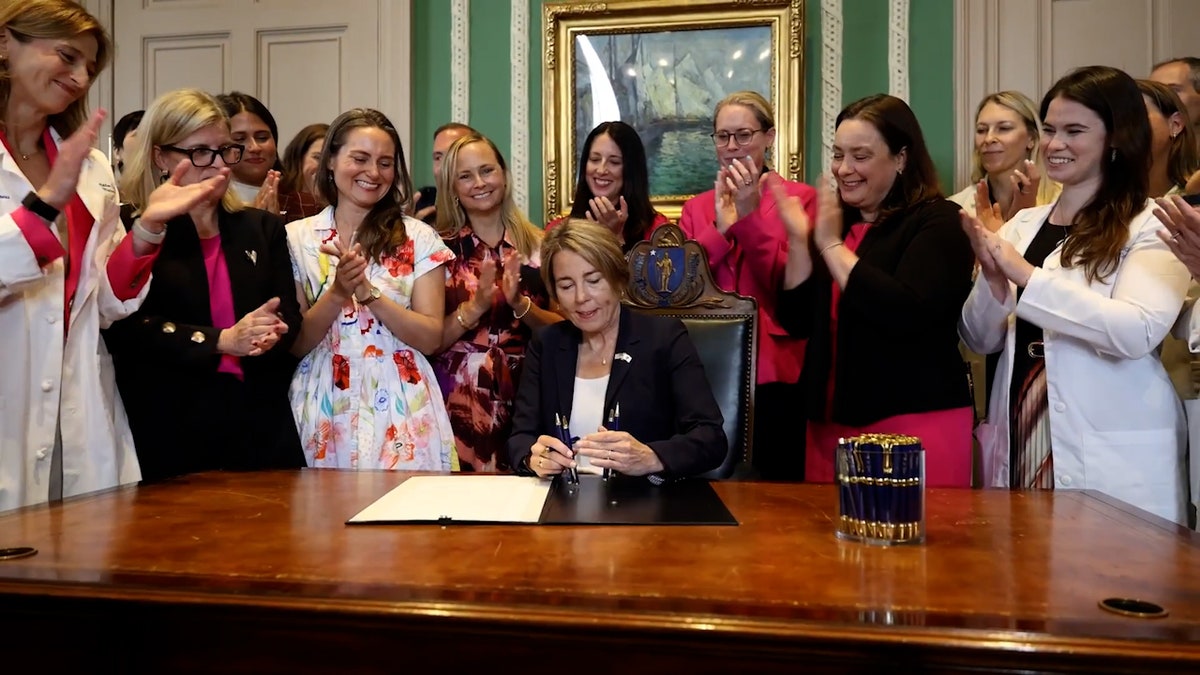
Democratic Governor Maura Healey received applause as she signed a bill allowing abortion up to birth in Massachusetts, making it the tenth state to do so. The Prioritizing Patient Access to Care Act grants healthcare providers more discretion for late-term abortions without legal penalties.
Healey stated the law aims to help families with late pregnancy complications, including maternal health issues and fatal diagnoses, avoid traveling to other states for abortions.
During the bill signing, Healey promised to maintain accessible and legal abortions in Massachusetts throughout her governorship.
“We believe that health care decisions should be made between women, families, and their doctors, not politicians,” Healey stated. “Abortion will remain safe, legal, and accessible here in Massachusetts. That’s my commitment to you.”
The new law is set to take effect in 90 days, replacing the previous restriction generally banning abortions after 24 weeks, with specific exceptions.
Massachusetts joins states like Alaska, Colorado, and Maryland, along with others, in removing gestational age limits on abortion.
Healey explained the legislation supports women, asserting that opponents do not support women’s health. She emphasized the importance of state leadership in light of efforts by former President Trump and Republicans to limit abortion rights after the Supreme Court’s decision on Roe v. Wade.
“It is up to the states to lead,” Healey said. “And as governor, I promise that no matter what Donald Trump or Republicans in Congress or the Supreme Court do, we’re going to continue to ensure that women and families have the health care they need right here in Massachusetts.”