Mom’s Instinct Leads to Diagnosis of Rare Disorder in Daughter
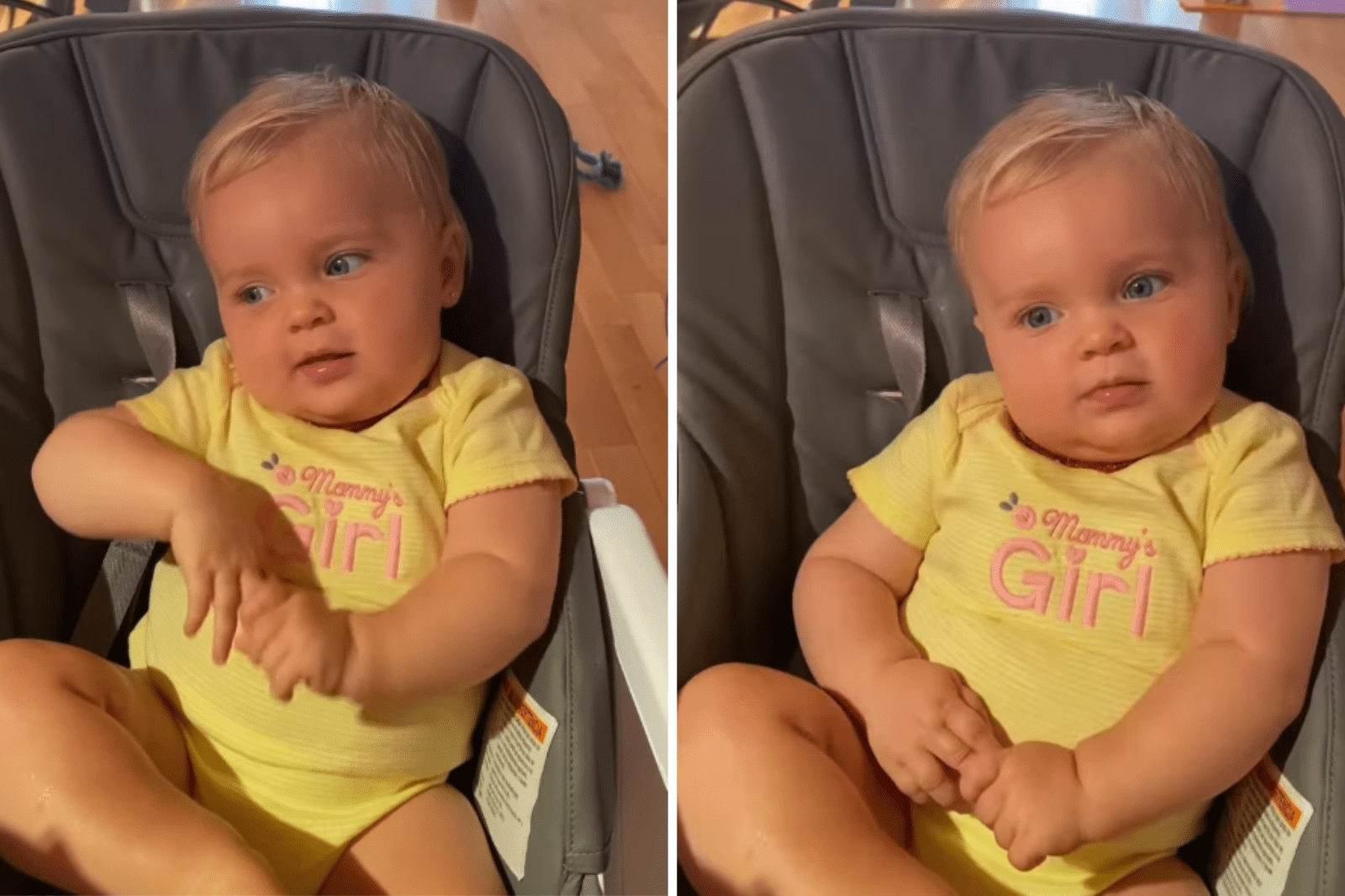
Laura Johnson, a mother from Chicago, faced heartbreak when her daughter, Mila, was diagnosed with a rare genetic disorder after being told repeatedly that her development was normal. Laura first sensed something was amiss when Mila was around five months old. Mila struggled to sit, use her hands, and seemed to lag behind.
Despite reassurances from friends, family, and doctors that children develop at their own pace, Laura felt frustrated. With two other children, Mason and Maddox, she trusted her instincts. However, doubts lingered. “A mother’s instinct is powerful, and mine was right,” Laura stated.
Hindsight showed Laura clear signs of concern. Mila’s regression was evident, notably losing skills she once had. By ten months, Mila stopped holding her bottle and engaging with her surroundings. She also lost head control, which remained challenging.
Near her first birthday, Mila suffered infantile spasms. Hospital tests revealed constant brain seizures. Genetic testing diagnosed Mila with STXBP1, a rare neurological disorder. This disorder, caused by changes in the STXBP1 gene, leads to developmental delays, intellectual disabilities, and seizures. The condition affects roughly one in 26,000 to 30,000 births. Epilepsy is common, affecting 85 to 90 percent of those diagnosed. Infantile spasms can appear early. Currently, no cure exists, but treatments focus on alleviating symptoms with antiseizure medications and various therapies tailored to the child’s needs.
The diagnosis, while heartbreaking, provided clarity for Laura. Despite the hurdles, Mila continues to progress, and Laura shares her journey on social media. She celebrates each milestone, reflecting extensive therapy and determination.
Laura advises parents to trust their instincts and seek further opinions if concerned. “If you feel something isn’t right, keep asking questions,” she urged. She encourages people to see beyond a diagnosis. “A child with a disability can still live a beautiful life.” Mila’s journey proves her diagnosis does not define her.