New Insights in Melanoma Treatment Through Blood Cell Analysis
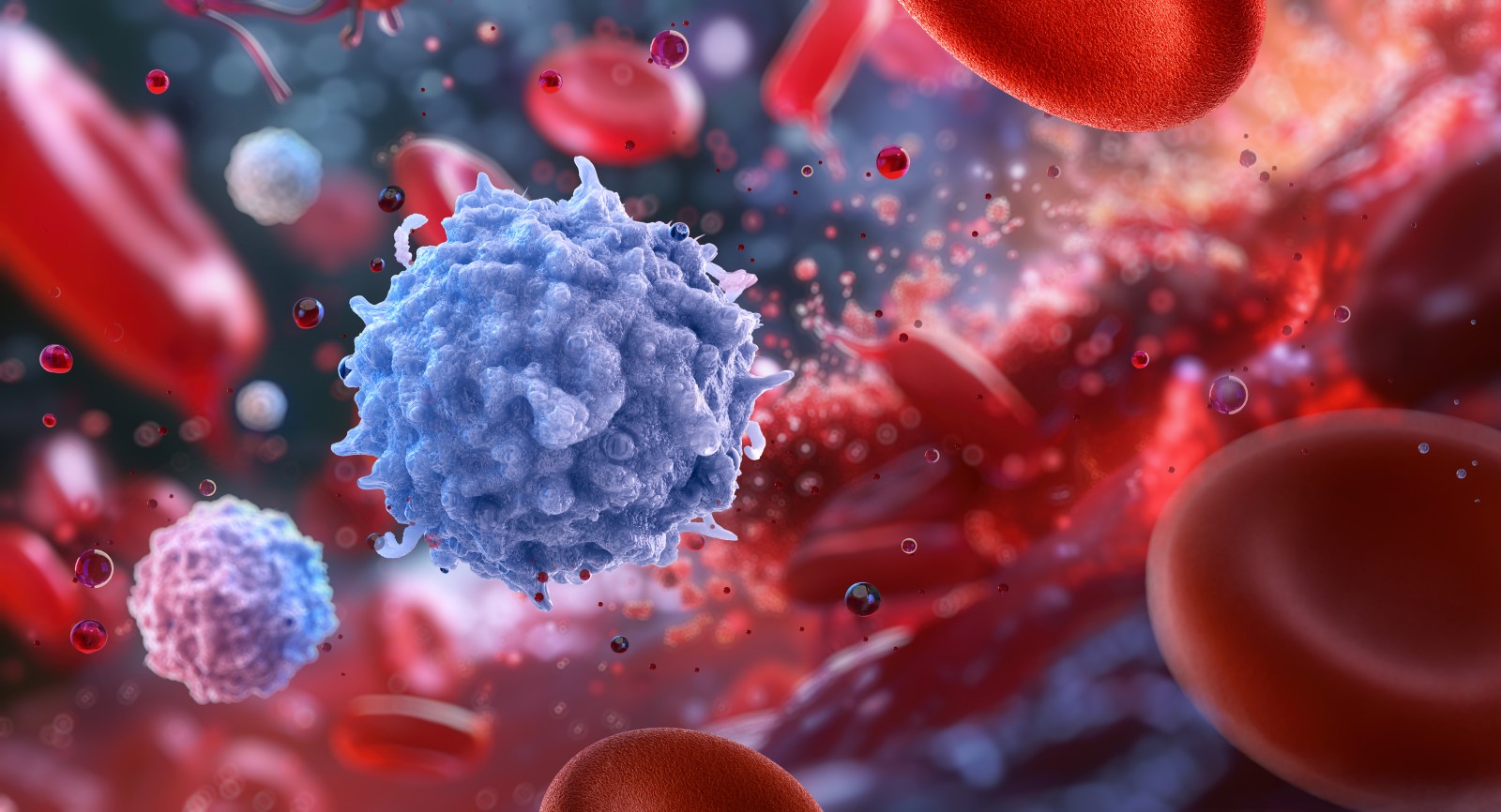
Scientists have discovered changes in white blood cells that may predict how melanoma patients will respond to treatment. This finding is significant because it could eventually assist doctors in determining who will benefit from immunotherapy, particularly for melanoma, a highly deadly form of skin cancer.
The study involved only 24 patients. Researchers caution that this small sample size means the results are preliminary and not an immediate breakthrough. However, the findings do offer promising directions for further research into melanoma treatment.
Clues from Blood Cells
Lucy Booth, a PhD student at King’s College London, and the study’s lead author, highlighted the importance of this research. According to her, B cells have become crucial in understanding survival and treatment outcomes in melanoma. Extensive studies of these cells may provide insights that address clinical challenges in treating melanoma.
Booth stated, “Studying immune cells from patient blood samples offers a less invasive method compared to biopsies.” For the first time, researchers have characterized B and T cells from melanoma patients’ blood, identifying distinct immune features that could serve as future biomarkers.
In the U.K., melanoma ranks as the fifth most common cancer. The American Cancer Society predicts about 112,000 new diagnoses in the U.S. this year. Catching melanoma early makes it treatable, but it becomes one of the deadliest skin cancers as it progresses. Standard treatment options involve surgery, targeted drugs, and immunotherapy, which helps the immune system recognize and destroy cancer cells.
Study Findings
Despite immunotherapy significantly improving outcomes for many with advanced melanoma, nearly half of these patients don’t benefit from it. Some endure serious side effects. Until now, predicting who will respond well to immunotherapy has been unreliable.
The research team at KCL, in collaboration with Queen Mary University of London, studied two main types of white blood cells: B cells, responsible for producing antibodies, and T cells, which help in directly destroying cancer cells. They found coordinated changes in these immune cells consistent with patient outcomes.
Patients who showed renewed B and T cell activation and expansion within the first six weeks of treatment generally had better outcomes. Those whose B cells stayed immature or poorly functioning faced worse results. Additionally, patients with weaker pre-treatment immune responses experienced poorer survival rates. Certain T cell subtypes were connected to treatment side effects.
Significant differences in immune cell levels were observed among patients. This variability may explain why treatment responses differ from person to person.
The team analyzed blood samples from 24 patients with stage 2 to 4 melanoma, alongside samples from 25 healthy volunteers. They used mass cytometry, a technology that allows for the analysis of various characteristics of individual immune cells, to detect rare cell populations and track their evolution over time. This was the first instance of studying circulating B and T cells together in such detail in melanoma patients.
Booth mentioned, “This work aims to support the integration of blood immune profiling into clinical settings to guide surveillance and early intervention of patients with melanoma.”
Reference: Booth, L., Karagiannis, S. N., et al. (2026). Circulating B cell and T cell activation states predict clinical outcomes in melanoma and reveal dynamic immune reinvigoration with checkpoint inhibitor immunotherapy. Journal for Immunotherapy of Cancer.
Contact Newsweek editors about this story: Sirena Bergman and Cristina Diciu.