Emotional Testimony in Lindsay Clancy’s Trial: Key Moments and Testimonies
Emotional Reaction in Court
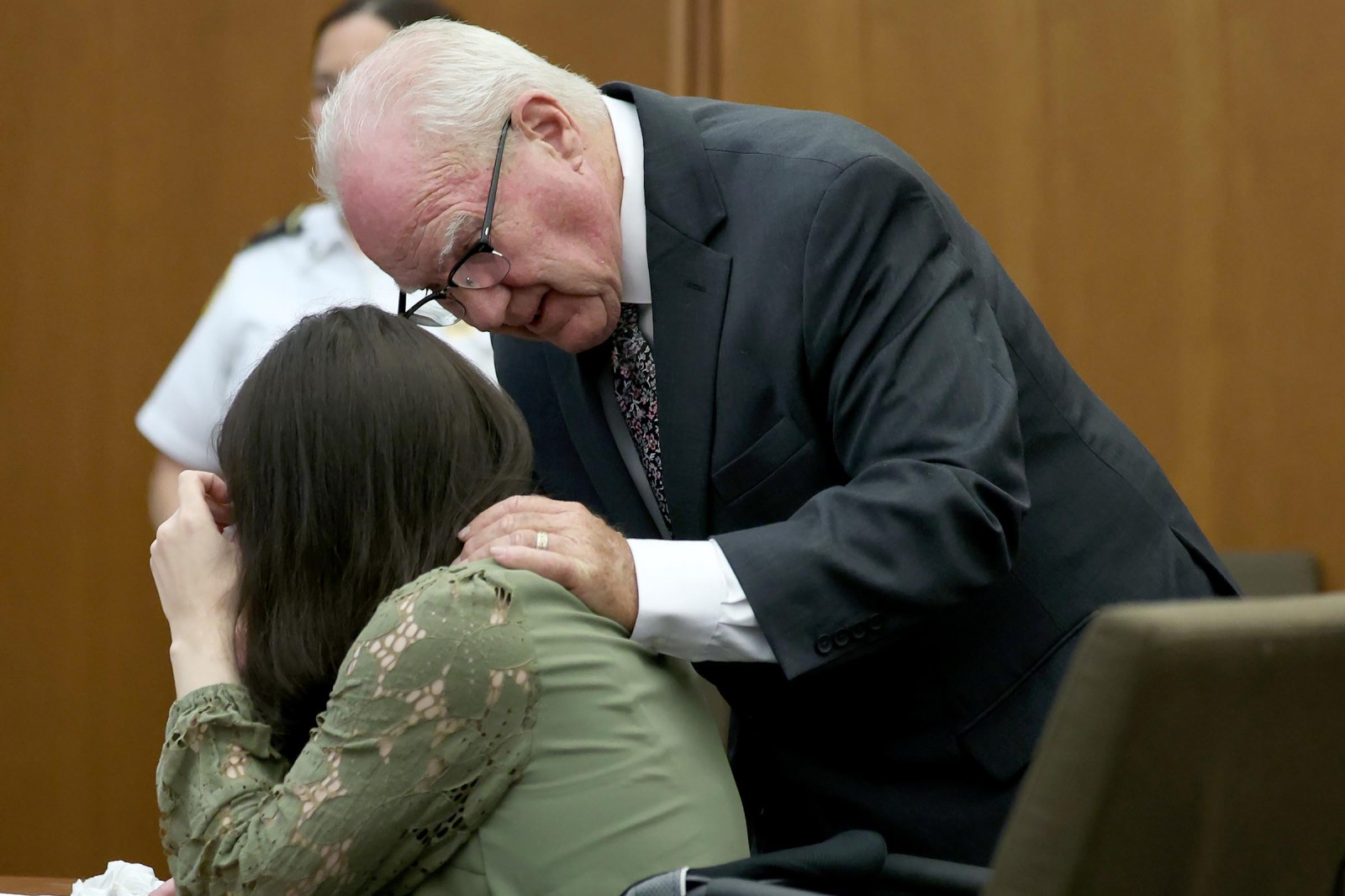
Lindsay Clancy broke down in tears during her court appearance on Wednesday. The session included graphic testimonies about her children’s injuries. These emotional moments led to several recesses and warnings from the judge. Much of the trial has previously focused on Clancy’s mental health.
Jurors also heard from a mental health counselor. She had not reviewed notes from another provider treating Clancy. Additionally, a Massachusetts State Police sergeant testified about a lack of evidence regarding a psychologist influencing Clancy’s claims of hearing voices.
Key Moments from the Testimony
Clancy’s Emotional Breakdown
Dr. Renee Stonebridge, a medical examiner, described injuries from the children’s autopsies. Clancy began crying during this testimony. The judge called a recess as Clancy sobbed with her head in her hands.
When the court resumed, Judge William Sullivan reminded jurors. He stated they must base their decision on evidence, not emotion. The emotional reaction intensified with more testimony from Dr. Barbara Olsen about Cora’s injuries. Clancy repeated her emotional outbursts.
Defense lawyer Kevin Reddington objected during Olsen’s testimony. The court adjourned for the day around 4 p.m.
Details of Children’s Injuries
Stonebridge detailed the children’s examinations. The focus was on evidence suggesting strangulation. Cora showed eye damage typical of strangulation. Dawson also had eye hemorrhaging.
Clancy is charged with strangling her three children at their Duxbury home on January 24, 2023. The defense acknowledges Clancy killed them but argues mental illness. Stonebridge discussed Callan’s brain injury and oxygen deprivation. Clancy wept as the findings were described.
Therapist’s Lack of Review
Under cross-examination, counselor Latiesha Dukes admitted not reviewing other treatment notes. Both she and psychiatric nurse Rebecca Jollotta treated Clancy. Jollotta noted concerning symptoms Clancy exhibited.
Dukes was unaware of Clancy’s emergency department visit on December 15. She confirmed Clancy had lost weight and experienced anxiety.
These different assessments support the defense’s claim of an incomplete understanding of Clancy’s mental state.
Voices Theory Lacks Basis
State Police Sergeant Dan Lawlor discussed Clancy’s reported conversation with psychologist Paul Zeizel. The defense claims Clancy’s statements about hearing voices prove psychosis.
Lawlor admitted having no basis for a theory about Zeizel prompting Clancy. The idea was speculative and not evidence-based.
Suicidal Thoughts Discussed
Dukes testified about Clancy’s suicidal thoughts in December 2022. Clancy expressed a desire to die without a specific plan. This influenced perceptions of her mental state.
Despite recommending hospitalization, Dukes believed Clancy was improving by December 19. Prosecutors may use this to argue her functioning ability; the defense sees it as a sign of mental deterioration.
Trial’s Next Steps
Wednesday marked an emotional shift, with forensic evidence presented. Clancy’s defense asserts her severe mental-health problems at the children’s time of death.
The prosecution holds Clancy criminally responsible. Ongoing testimonies will cover her mental health and evidence of her state of mind.
Clancy could face life in prison without parole if convicted. If found not criminally responsible, she could be committed to a psychiatric hospital.