Ebola Outbreak in Congo: Rising Toll and Global Response
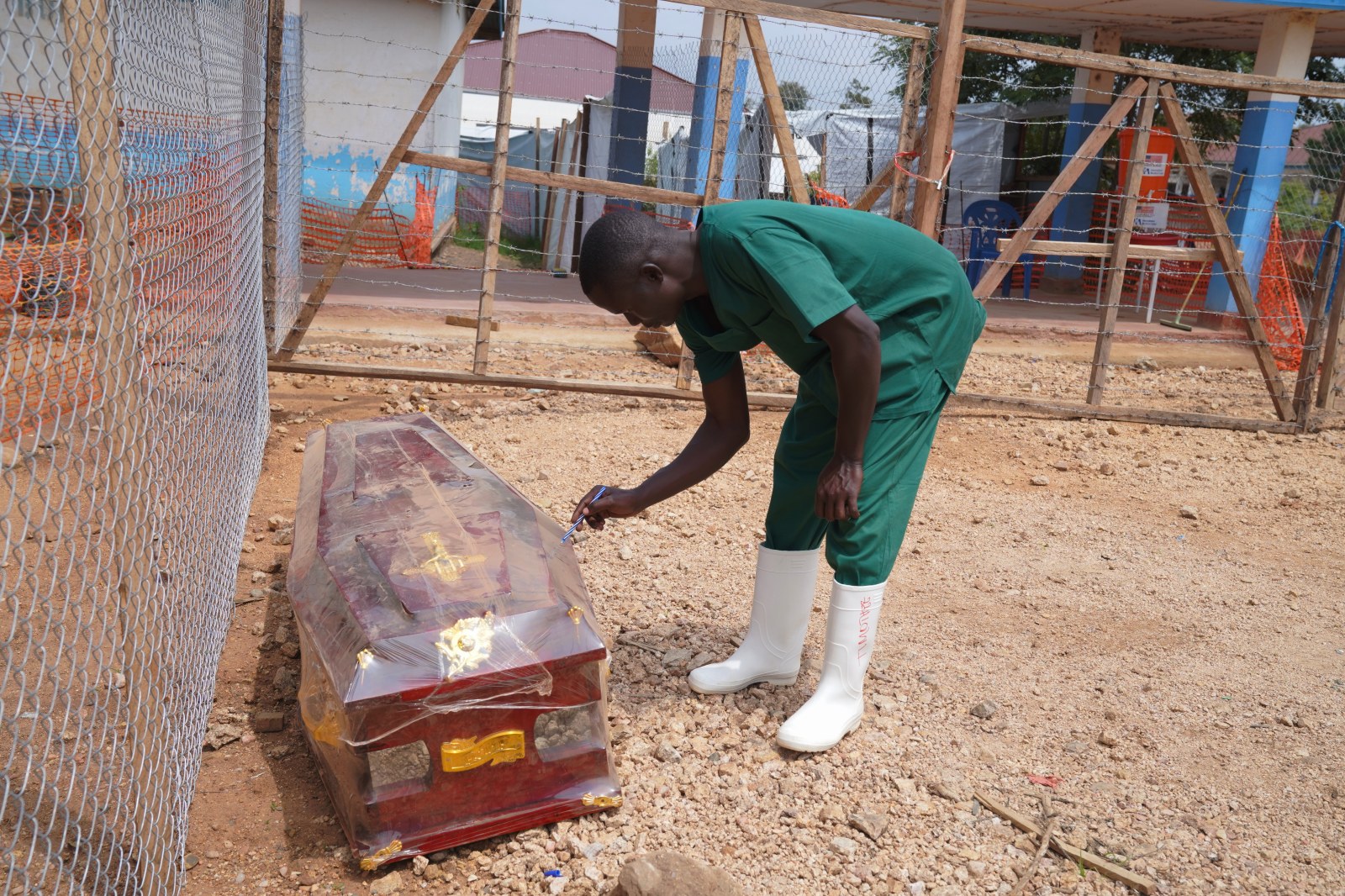
An expanding Ebola outbreak in the Democratic Republic of Congo has resulted in over 2,000 fatalities. It ranks as the second-largest outbreak recorded, according to international health authorities. The outbreak, caused by the Bundibugyo strain of the virus, has spread to multiple provinces in Congo and crossed into Uganda, prompting a substantial international response.
The rapid escalation has alarmed health officials. The U.S. Centers for Disease Control and Prevention (CDC) reported that the epidemic exceeded 1,000 confirmed cases within 40 days of response activation. This occurred much faster than Congo’s 2018 major Ebola outbreak, which took about 235 days to reach the same milestone.
This outbreak is unfolding in a region facing numerous challenges such as humanitarian issues, population displacement, and significant cross-border movement. These factors complicate efforts to contain the virus. The World Health Organization (WHO) stated the outbreak is occurring in a “challenging context,” thus increasing surveillance, contact tracing, and preparedness in both Congo and Uganda.
American aid workers, missionaries, doctors, and humanitarian personnel in affected areas face higher exposure risks compared to the general public due to potential contact with infected patients. The CDC noted that a U.S. citizen working for a humanitarian organization in Congo tested positive in July and was medically evacuated to Germany for treatment.
Health officials express concern because the outbreak stems from the Bundibugyo species of Ebola, which lacks an approved vaccine or specific treatment. While supportive care improves outcomes, the absence of targeted countermeasures highlights the importance of containment efforts. The CDC described the outbreak as spreading “substantially faster than previous Ebola outbreaks” with deaths rising rapidly during the summer.
Latest Death Toll
The European Centre for Disease Prevention and Control (ECDC) reported that Congo has 4,449 confirmed Ebola cases and 2,061 deaths as of August 10. The epidemic affected 53 health zones across five provinces, including Ituri, North Kivu, South Kivu, Haut-Uele, and Tshopo. Uganda reported cases linked to travel from Congo, yet declared its outbreak over on July 28 after no further infections.
The death toll marks this as one of the most serious Ebola epidemics since the 2014-2016 West African outbreak. The CDC classifies it as the second-largest Ebola outbreak documented.
Ebola’s Risk to the United States
According to the CDC, no Ebola cases tied to the current outbreak have been confirmed in the United States. The risk to Americans is low. Even if an infected traveler were identified in the U.S., the country’s public-health infrastructure and infection-control measures lower the risk of wider spread.
Ebola is not spread through the air, unlike influenza or COVID-19. Direct contact with the blood or bodily fluids of an infected person or contaminated materials is needed for transmission. This characteristic helps in containing outbreaks when health authorities quickly identify cases and trace contacts. Health agencies continue to monitor the situation closely. Several countries reported imported cases from outbreak areas in Africa, requiring medical evacuation and specialized treatment.
Response Measures
The CDC has activated response efforts, collaborating with international partners on surveillance, laboratory testing, infection prevention, and contact tracing. The U.S. government committed significant funding to support outbreak response and preparedness in Central and East Africa.
Health officials advise Americans not to panic but remain aware of the outbreak. The CDC assesses the risk to the U.S. public and travelers as low, despite ongoing efforts to control the virus in Africa.