Ebola Outbreak in DRC: Understanding the Scope and Risks
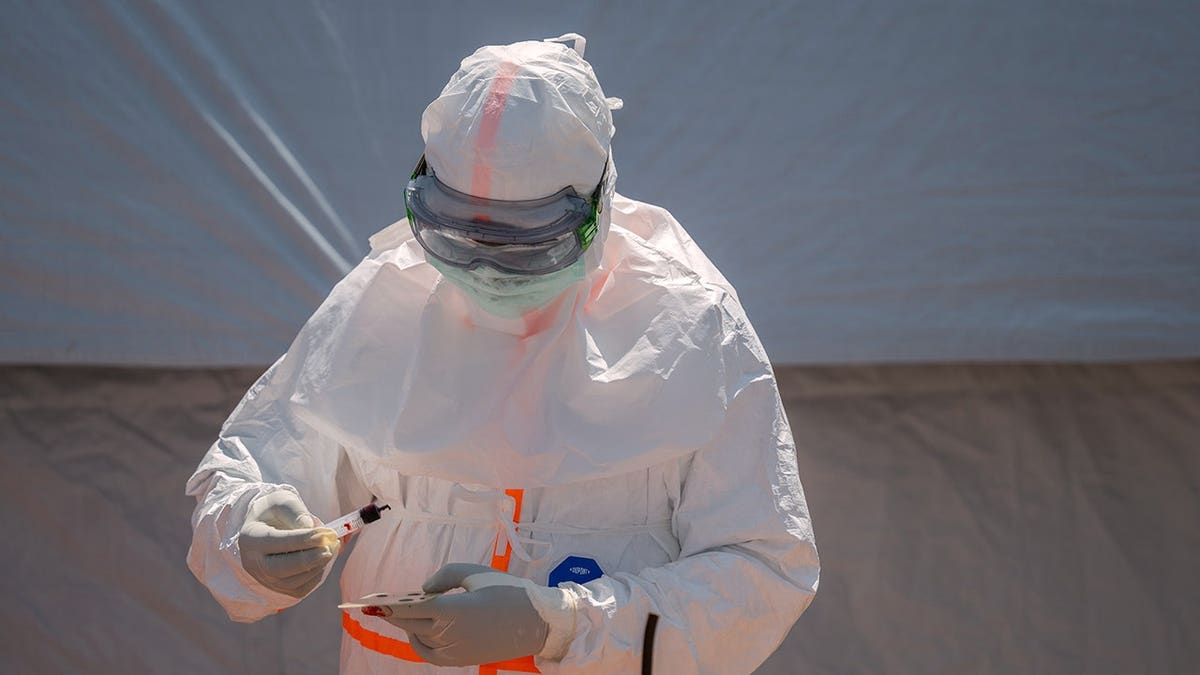
The ongoing Ebola outbreak in the Democratic Republic of Congo (DRC) has resulted in a death toll surpassing 2,000. Infectious disease experts advise that while Americans should be aware of this humanitarian crisis, the domestic risk remains low.
Current Situation in the DRC
The virus continues to spread in eastern and northeastern regions of the DRC. Earlier, there have been cross-border cases detected in Uganda. Government reports confirm 4,381 cases.
David Wohl, MD, a professor of medicine at the University of North Carolina, noted, “This outbreak is occurring in densely populated rural cities, not in small towns.”
He described the rapid pace of the outbreak as unprecedented. The infection rate remains high with little sign of slowing.
Containment efforts face challenges due to what Wohl calls a “perfect storm” of factors. Dense populations and limited medical resources make it difficult to manage the situation.
Conflicts in the region further hinder access to affected areas.
Implications for Americans
Despite the outbreak’s severity, American health officials assure that the risk of Ebola spreading to the U.S. is minimal. The current strain, Bundibugyo ebolavirus, differs from the 2014 Zaire strain, making past interventions less effective.
Wohl emphasized that Ebola transmission involves direct contact with bodily fluids from severely ill individuals. It does not spread through the air or casual contact.
During the 2014 West Africa outbreak, only four cases were diagnosed in the U.S., with two involving healthcare workers in Dallas. Several infected persons from overseas were brought to the U.S. for treatment.
The strong public health systems in the U.S. offer significant protection against such infectious threats.
Treatment and Research Efforts
Current treatments and vaccines used against the Zaire strain are not proven for the Bundibugyo variant. Researchers are working on developing effective therapies and vaccines using modern platforms like mRNA technology.
Despite these efforts, the outbreak remains uncontrolled. Global organizations, including the World Health Organization and CDC, are closely monitoring the developments.
Wohl stated, “This is a crisis requiring more international support and resources.”
Continued assessment of new treatments is essential to addressing this health challenge, and coordinated efforts remain crucial to containment strategies.