Last Mile Health: Bridging the Healthcare Gap in Remote Areas
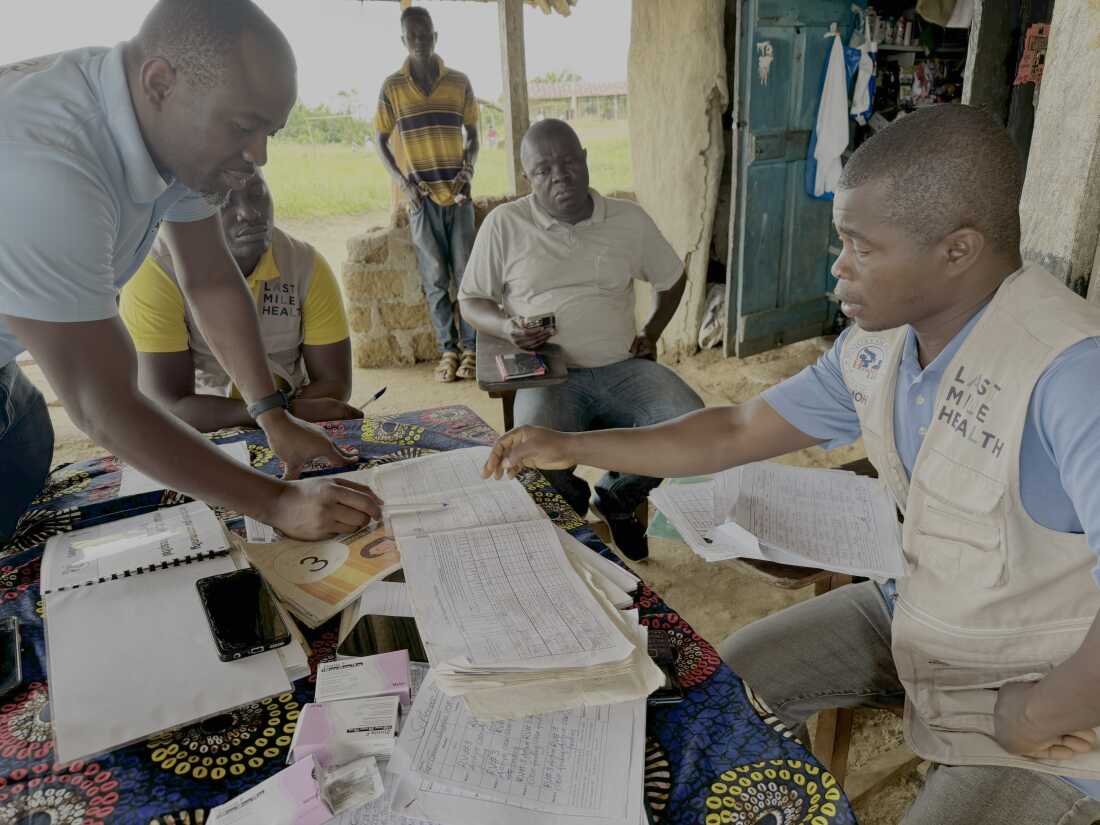
Since 2018, Genesis Whegelee has worked as a community health worker for Last Mile Health (LMH) in Rivercess County, Liberia. His role includes monitoring sick children, pregnant women, and others needing medical attention. This initiative is part of an effort to provide healthcare to individuals in Liberia’s most distant regions.
In 2007, Dr. Raj Panjabi, a physician with roots in Liberia, co-founded Last Mile Health after raising $6,000 from his wedding guests. His goal was to extend healthcare services to remote areas, underscoring the belief that no one should be without access to life-saving medical care. Today, LMH receives a $3 million award, the Conrad N. Hilton Humanitarian Prize, recognizing its outstanding contributions to reducing human suffering.
LMH employs community health workers like Whegelee, who typically have a primary school education and undergo eight weeks of training. They learn to diagnose and treat common diseases such as malaria, pneumonia, and diarrhea, assist pregnant women with birth planning, and identify signs of potential outbreaks.
The organization, which began with a modest financial start, has expanded through government and institutional funding. In 2010, LMH, with partners like the Global Fund, began providing care for HIV/AIDS in many of Liberia’s counties. During the Ebola epidemic, it trained over 1,300 community health workers. In the COVID-19 pandemic, LMH distributed 6.2 million pieces of protective gear and achieved an 81% vaccination rate in Liberia.
LMH now supports over 20,000 community health workers in Liberia, Ethiopia, Malawi, and Sierra Leone, serving 32 million people. It also develops digital training programs to further its reach.
According to LMH CEO Lisha McCormick, approximately two billion people live in remote areas without easy healthcare access. The organization’s mission is to bring medical services to them. “Health systems face immense pressure,” states Peter Laugharn, Hilton Foundation CEO, emphasizing LMH’s proactive response to this challenge.
Dr. Panjabi, now LMH’s president emeritus, warns of potential healthcare funding reductions. A study in ‘Lancet’ projects that U.S. foreign aid cuts could lead to millions of additional global deaths by 2030. Community health workers could play a crucial role in early disease detection, preventing such a crisis.
Research backs the effectiveness and cost-efficiency of community health workers. A 2025 analysis on SSRN reported that these workers often deliver care at a median cost of $0.59 per person per year, saving money while saving lives.
Genesis Whegelee’s experiences highlight the value of community health workers. He regularly visits households, offering medical attention and education. He recounts helping a severely ill child with malaria and emphasizes the importance of follow-ups. His ability to convince a pregnant woman to deliver in a hospital, rather than at home, showcases his impact on community health decisions.
With the Hilton Prize funds, LMH aims to reach 50 million people by 2028. The organization will continue collaborating with Africa Frontline First to introduce health worker programs across more regions.
McCormick describes LMH’s goal: “Illness is universal, and access to healthcare is not.” The nonprofit aspires to ensure a health worker is accessible to everyone, everywhere.
Diane Cole, author and journalist, contributes to ‘The Wall Street Journal’ and ‘The Washington Post’.