Trump’s Construction Projects: Focus and Controversy
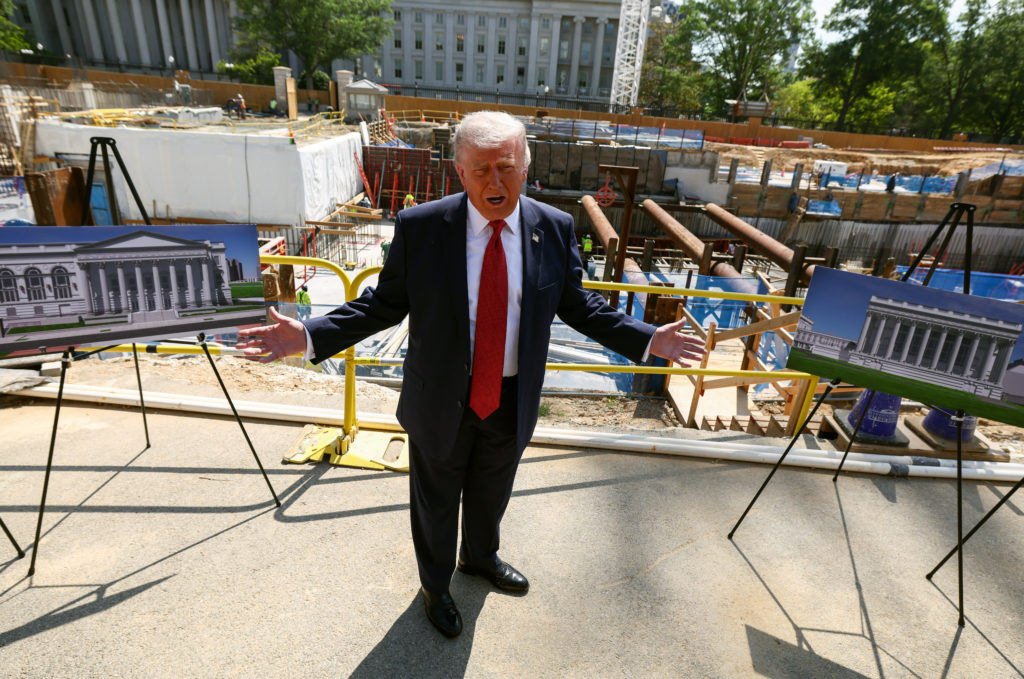
In May, President Donald Trump addressed reporters at the construction site of the Lincoln Memorial Reflecting Pool. He highlighted the new ‘American flag blue’ color and criticized former President Barack Obama’s past efforts on the monument. When questioned about focusing on construction amid the Iran war, Trump emphasized his desire to keep the country beautiful and safe. Trump rebuked the question as ‘stupid’ and said cleanup efforts removed truckloads of waste from the pool.
This theme has been recurrent in Trump’s public appearances since March. As the conflict in Iran progressed, alongside rising U.S. gasoline prices and low approval ratings, Trump highlighted his initiatives to reshape the White House and Washington, D.C.
PolitiFact investigated Trump’s public events and speeches over the first seven months of 2026, documenting how often he mentioned construction projects such as the White House ballroom and national capital beautification. Official events, signing ceremonies, press conferences, and prerecorded messages were reviewed, excluding print interviews and Truth Social posts.
Trump’s remarks on construction amounted to nearly 45,000 words since January. He spoke about them at 84 events over 66 days, representing over a quarter of his public appearances. The Iran war discussions surpassed construction talk during these events, but construction topics led in unprompted remarks. In May, Trump increased his focus on construction and the Reflecting Pool, driving discussion in nearly half of his public appearances.
The Reflecting Pool issue reached the courtroom after Trump alleged, without evidence, vandalism caused damage to its lining. On Aug. 6, a judge dismissed charges against individuals accused of vandalism. Prosecutors cited a ‘flawed installation by the contractor’ as the cause.
White House spokesperson Davis Ingle stated Trump’s projects aimed at beautifying the U.S. for the nation’s 250th anniversary. Ingle noted, ‘No other president has done more to beautify our Nation’s interior than President Trump.’
Expert Sam Martin from Boise State University remarks on Trump’s rhetoric, focusing on personal capability in effective governance rather than institutional collaboration. Despite Trump’s focus, a July poll noted widespread disapproval of his construction projects, mainly divided along party lines.
White House Ballroom: A Space and Security Focus
Trump long aspired to add a ballroom to the White House. His initial conversations date back to a 2011 discussion with David Axelrod, offering to build it for free. He revived plans in 2025, citing issues with hosting international dignitaries on the White House lawn in unfavorable weather. Demolition began in the East Wing by October 2025. Trump’s narratives emphasized security concerns post-White House Correspondents’ Association dinner shooting. The ballroom project, initially estimated at $200 million, later expanded, with Trump claiming costs covered by donors like Apple and Microsoft.
On Aug. 7, a federal court halted further construction until Congress approves. Trump vowed to appeal to the Supreme Court.
Reflecting Pool Costs and Comparisons
Trump turned attention to the Reflecting Pool as 2026 approached. Initially stating repair costs between $1.5 to $2 million, this increased to $10 to $16 million by June. Trump cited various figures, often inconsistent with historical records, concerning past administrations’ expenses on the pool. He continuously maintained the vandalism theory despite lacking evidence, attributing recent issues to rushed contractor work for July 4 celebrations.
Despite controversy, the Ballroom and Reflecting Pool were significant foci in Trump’s speeches. Emphasizing personal judgment in government projects, Trump likens his instincts to his real estate background. Other projects included updating the John F. Kennedy Center and plans for new national monuments.
Unlike past presidents prioritizing historical preservation, Martin notes Trump’s rhetoric frames projects as reflections of his identity, focusing on judgment and taste rather than historical stewardship.
University of Wisconsin-Madison’s Allison Prasch highlights Trump’s desire to influence national narratives, shaping Washington, D.C. to reflect his lasting eminence.