Tommy John and the Surgery That Changed Baseball
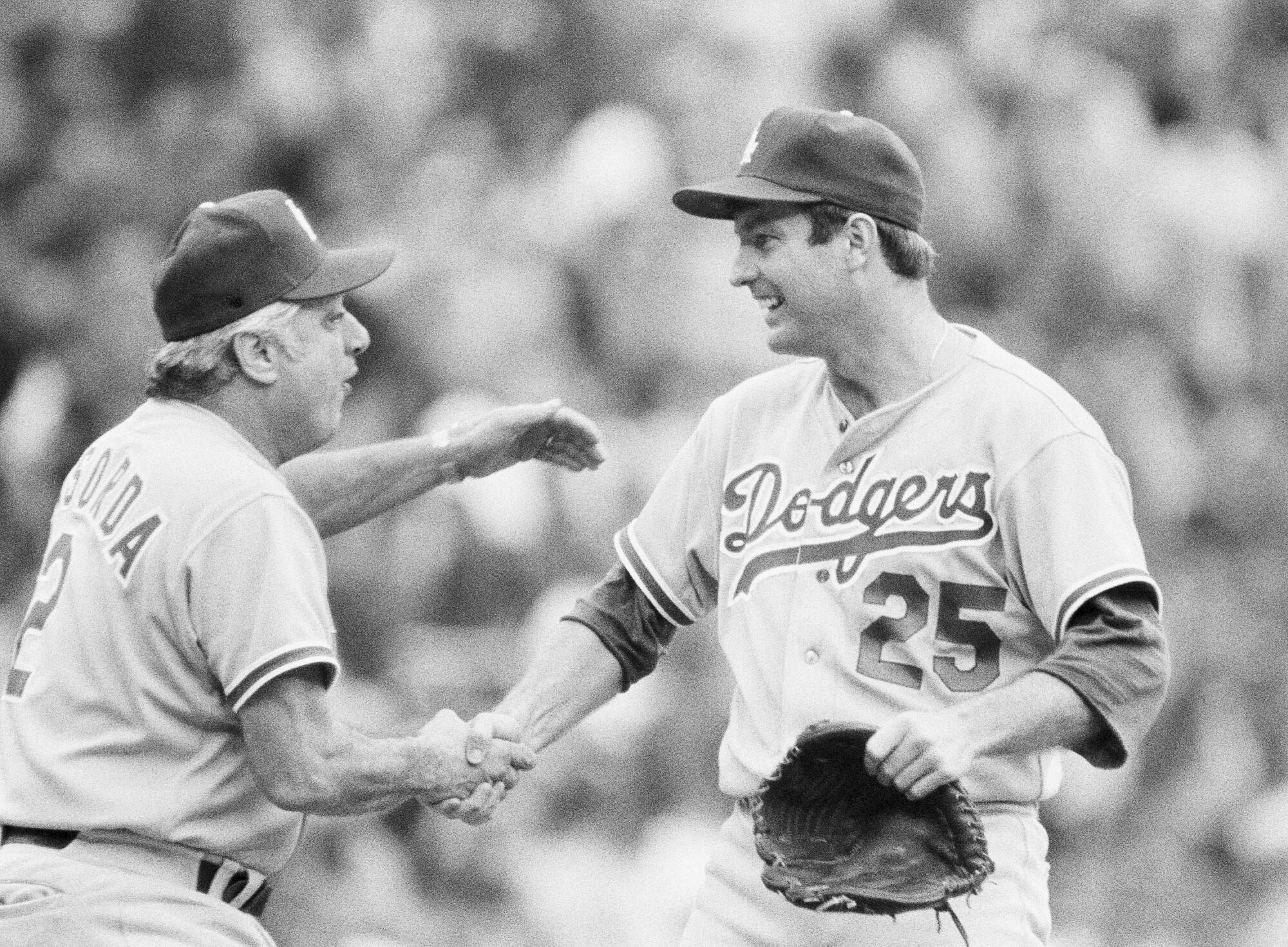
Tommy John surgery, technically known as ulnar collateral ligament reconstruction, transformed baseball in a way few could have imagined. This procedure, often regarded more highly than the career stats of the man it was named after, has saved countless careers in the sport.
In 1974, Tommy John, a left-handed pitcher for the Dodgers, faced potential career-ending elbow injury. During that time, such injuries were common among pitchers and typically led to early retirement. However, a then-experimental surgery not only resurrected John’s career but also paved the way for players like John Smoltz and Shohei Ohtani to continue playing.
John passed away at the age of 83, leaving a legacy that goes beyond his achievements on the field. Dodgers president Stan Kasten reflected on John’s impact, noting his role in the development of the surgery that now bears his name. John’s career spanned 26 years, with 288 wins and a 3.34 ERA, making him one of the most successful pitchers to undergo the procedure.
The Turning Point
After a trade to the Dodgers in 1971, John was guided by pitching coach Red Adams to focus on precision over speed. In 1974, John’s journey took a critical turn when an awkward pitch led to a rupture in his elbow’s medial ulnar collateral ligament.
Orthopedist Frank Jobe suggested an experimental surgery. Inspired by earlier work with a polio patient’s ankle, Jobe proposed grafting a tendon from John’s right arm to his left elbow. He offered John two options: end his career or attempt the surgery with slim odds of success.
John chose the latter. After a complex operation and subsequent complications, John faced intensive rehabilitation. He began his journey back by throwing against a wall, adhering strictly to physical therapy.
Triumphant Return
Amazingly, John returned to the Dodgers in the 1976 season. He proved his renewed strength with a 10-10 season and continued to excel in 1977, winning 20 games. The Dodgers reached the World Series due to his efforts, although they fell to the Yankees.
As a free agent, John signed with the Yankees and achieved further success, including two 20-win seasons. During the 1981 World Series, his removal during a pivotal game sparked controversy. Despite the setback, John’s career continued to be a testament to resilience and determination.
Legacy and Influence
Beyond baseball, John advocated for responsible use of young pitchers’ arms, aiming to prevent injuries in aspiring athletes. His surgery, now a common procedure performed by physicians like Dr. Neal ElAttrache, remains largely unchanged since its inception.
ElAttrache, who studied under Jobe, has performed the surgery extensively, illustrating the procedure’s enduring relevance in modern sports medicine. Despite its success, ElAttrache believes the procedure should have been named after Dr. Jobe, who prioritized patient care over personal recognition.
John’s surviving family, including his wife Cheryl and children Tommy, Travis, and Tamara, will hold a private celebration of his life. His story endures as an inspiration to athletes facing adversity and a beacon of medical innovation.