Study Reveals Urban Loneliness Amid COVID Impact
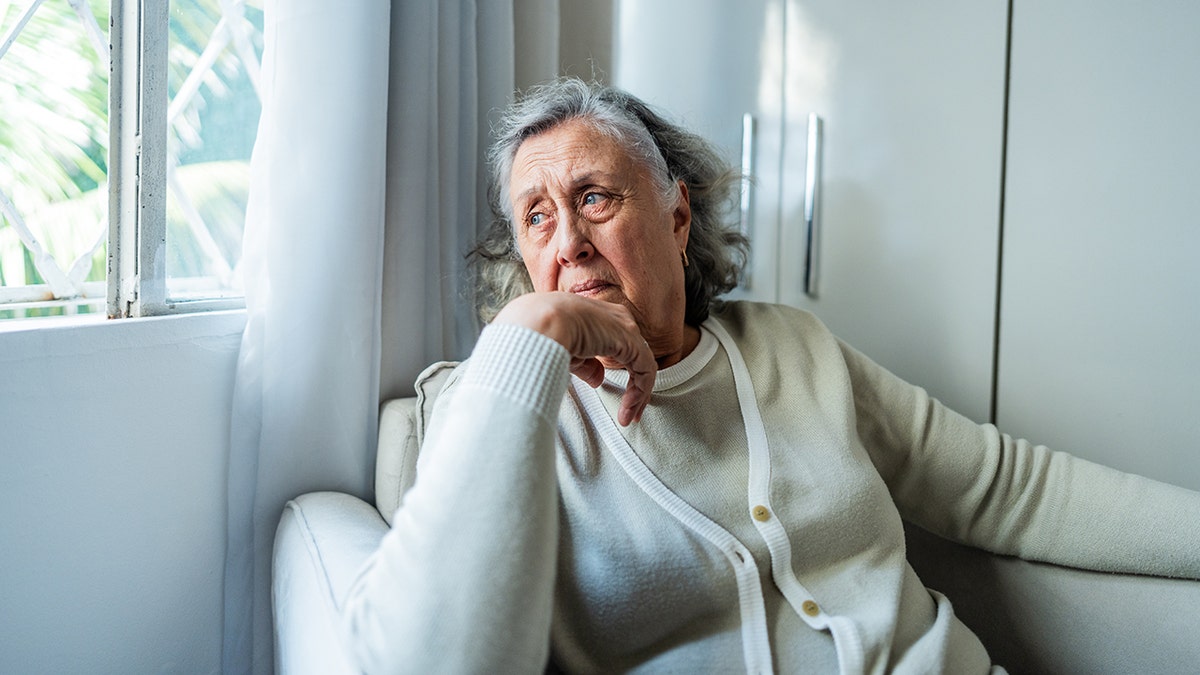
A recent study involving over 135,000 adults highlights significant levels of loneliness, especially in urban areas. Conducted by professors at Imperial College London, the study surveyed 135,725 participants aged 16 and older across England for five months in 2023.
Survey findings reveal that nearly one in six adults often feel lonely. Over one in five experience frequent feelings of isolation or a lack of companionship, according to a report by SWNS.
“The key message is not simply that many people feel lonely,” said Austen El-Osta, Ph.D., leader of the study. “Loneliness is strongly influenced by people’s surroundings, social network, and environment.”
Findings showed that loneliness is prevalent in cities like London, Birmingham, and Manchester, aligning with the “urban paradox” theory. This theory suggests that those in large cities, despite economic and cultural advantages, often report lower life satisfaction and happiness than rural area residents.
The study noted that relationship status had little effect on loneliness levels. However, the COVID-19 pandemic significantly impacted feelings of loneliness and isolation. Nearly 44% of participants reported increased loneliness due to the pandemic, while 48.2% felt more isolated.
Dr. Azeem Majeed, a senior author and NHS GP, emphasized the impact of loneliness on both mental and physical health, leading to anxiety, depression, and more frequent GP visits. Strengthening community connections is vital to preventing loneliness.
Despite 45% of respondents being married or in a civil partnership, and almost 20% single, loneliness remained a prominent issue. El-Osta stresses that loneliness isn’t only a personal matter but also a public health concern needing broader public health responses.
Although the study provides crucial insights, it cannot fully estimate the problem’s scale at the population level, as it overrepresented educated individuals and underrepresented minority ethnic groups.
In a related study involving data from over 10,000 older adults across 12 European countries, researchers found loneliness adversely affects memory performance. They recommend incorporating loneliness screenings into routine cognitive assessments to promote healthy aging.