Silicosis Concerns Among California Countertop Workers
Silicosis Cases Among California Workers
Hundreds of workers in California who handle engineered-stone countertops have contracted silicosis, a serious lung disease tied to inhaling fine silica dust. The California Department of Public Health (CDPH) published a report identifying 592 confirmed cases between January 2019 and June 2026. Tragically, at least 31 workers have died, and 65 needed lung transplants.
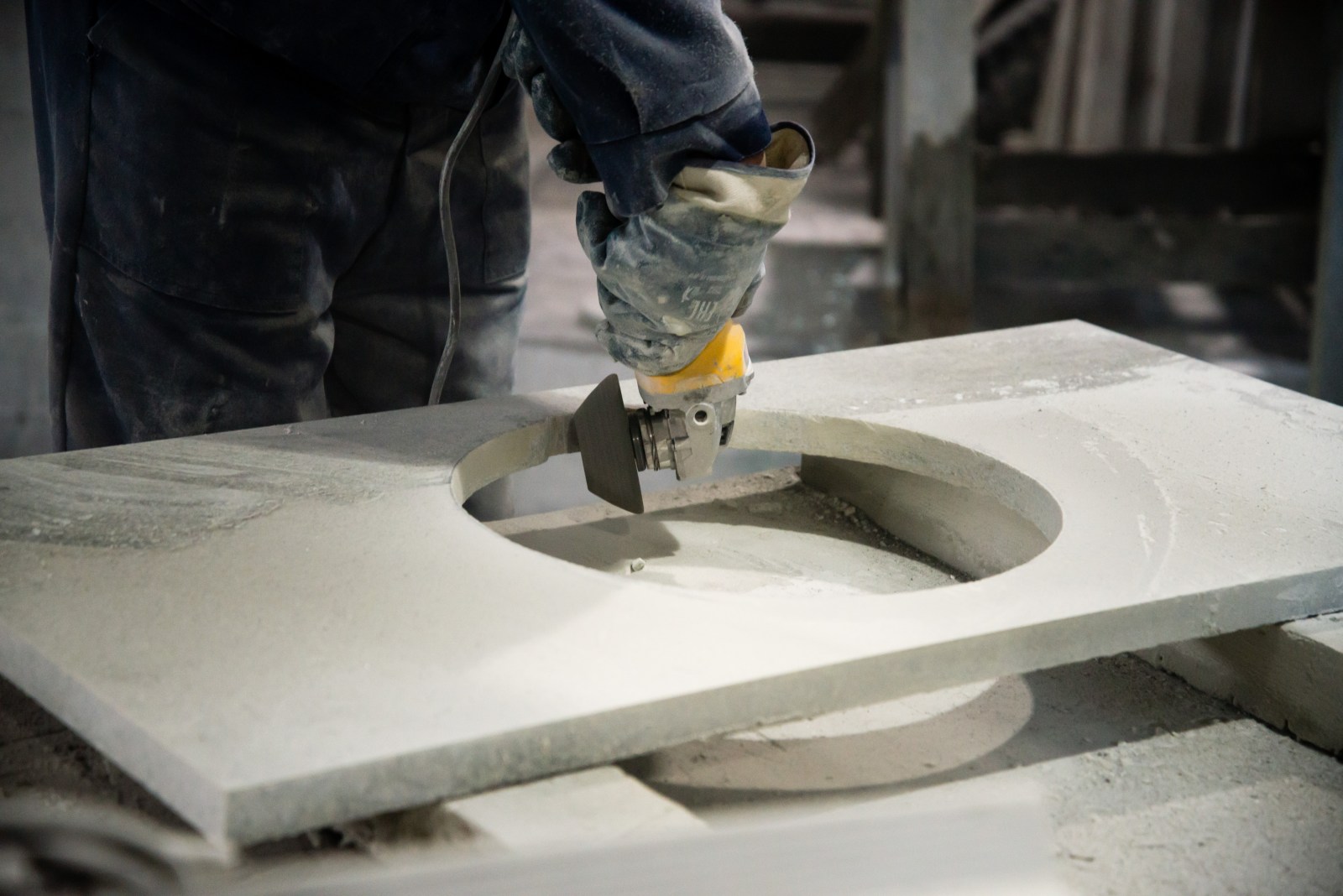
The report underscores the dangers faced by those involved in cutting, grinding, and installing engineered stone countertops, often labeled as quartz. Health officials have monitored the disease since 2019, noting that some engineered stone contains over 90 percent crystalline silica, which releases respirable particles when manipulated.
Understanding Silicosis
Silicosis is an irreversible lung disease resulting from inhaling fine crystalline silica. This fine dust can become airborne during operations like cutting and grinding materials containing silica. These particles lodge deep in the lungs, causing inflammation and scarring, potentially leading to disability or death. Silica exposure is linked to other severe health issues, including lung cancer, COPD, kidney disease, and autoimmune disorders.
Engineered stone’s high silica content poses significant risks, especially during processes that generate airborne dust, such as cutting and polishing. Symptoms may include chronic coughing, fatigue, shortness of breath, and chest pain. However, silicosis can progress without apparent symptoms, leading to late diagnosis or missed cases.
The National Institute for Occupational Safety and Health (NIOSH) emphasizes that while silicosis cannot be reversed, prevention is possible. David Michaels, a report co-author and professor at George Washington University, warns of the likelihood of many more cases nationwide, urging health practitioners to identify and address this epidemic.
Silicosis in Other States
While California’s cases form the largest known U.S. cluster, workers in other states have also suffered from silicosis. A 2019 CDC report uncovered 18 cases, including fatalities, amongst stone workers in states like Colorado, Texas, and Washington. Most affected workers had worked primarily with engineered stone and were diagnosed young, sometimes under 50.
The NIOSH reinforces the risks of working with engineered stone. Similar to California, other states may underreport or underdiagnose the full scope of silicosis cases.
Worker Guidance on Silica Exposure
The CDPH highlights that affected workers are often young immigrant men, mostly from Mexico and Central America. Many cases involved poor dust control and delayed medical evaluations.
NIOSH and OSHA have updated warnings concerning crystalline silica exposure, especially for those cutting or finishing stone countertops. Workers should inform their healthcare providers about their occupational history, particularly if they have interacted with engineered or quartz stone.
Medical evaluation is advised for persistent respiratory symptoms. However, lack of symptoms does not rule out lung damage. Occupational exposure should be discussed with a healthcare professional.
Workers are encouraged to inquire about their employers’ silica dust control measures, including wet cutting, ventilation, and protective gear. The primary concern stems from occupational exposure rather than residential use of quartz countertops. Current warnings target workers frequently interacting with airborne silica dust during fabrication and installation.