Impact of Global Conflicts on Education for Vulnerable Children
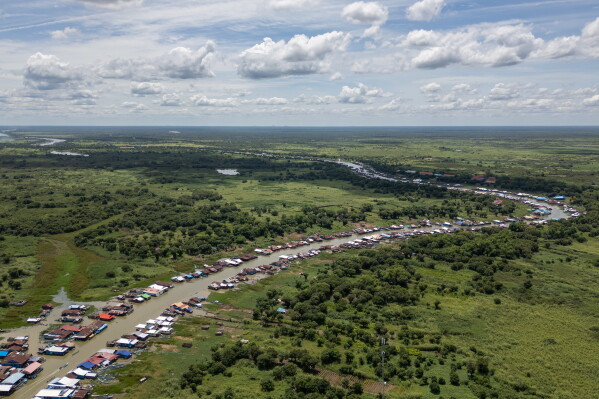
Sou Sreynich, a 13-year-old from the floating village of Kampong Prahok on Cambodia’s Tonle Sap Lake, dreams of becoming a teacher. She started school later than most, at age 10, due to her mother’s fears of her safety on the boat ride to school. Rising gasoline prices, attributed to conflict in Iran, are now adding another burden, making school access even more challenging.
The economic impact of the war is hitting the poorest families hardest. The cost of transportation to school has increased for both students and teachers, while strained national budgets further hinder education funding. The unpredictable weather, linked to climate change, complicates life on the lake with floods and droughts. Tragically, some students have drowned over the years.
A recent report from the United Nations Children’s Fund warns that if the conflict continues, up to 23.4 million more children, mostly in Africa and Asia, could fall into poverty by the year’s end.
The daily struggle for Sreynich’s family, dependent on fishing and odd jobs, reflects this reality. Rising fuel costs mean they cannot fish in deeper waters. As a result, Sreynich occasionally misses school to help her parents, lamenting each lost day.
Global Education Challenges
Across Southeast Asia, families are forced to choose between basic necessities and keeping children in school. Many children, like Ly and Nhi from Vietnam, drop out to work due to economic pressures. This exposure can lead to legal and safety issues for minors, though organizations like Blue Dragon Children’s Foundation work to return them to school.
Michael Brosowski of Blue Dragon notes that when families face financial collapse, education is affected first. Children out of school face increased risks of exploitation and homelessness.
The war has spiked costs across all educational aspects, from school transportation to classroom supplies, and affects aid workers reaching remote areas. Governments are also struggling with these increased costs alongside food and energy expenses.
Impacts in Bangladesh and Beyond
The situation in Bangladesh exemplifies the far-reaching consequences of the war. With rising fuel and subsidy costs, funds for health and education might diminish. Girls, often deprioritized in education spending, face a heightened risk of being taken out of school and forced into early marriage.
Statistics from UNICEF reveal that South Asia has the highest percentage of child brides globally, a situation worsening under economic hardship.
Globally, over 466 million children benefit from school meal programs that aid in education retention and cognitive development. Such programs face pressure due to conflict-induced disruptions in agricultural exports and transportation.
In northern Nigeria, rising food and transport prices are causing malnutrition rates among children to worsen, according to aid workers.
“I’m really afraid to see what’s going to happen,”
says Sabrina Hervey of Education Above All, expressing concern about the prolonged effects of these global challenges on children’s futures.
—
The Associated Press covers climate and environmental issues, supported financially by various private foundations, yet retains full editorial independence. For details on AP’s reporting standards and supported areas, visit AP.org.