Sarti Rosa’s Debut in the U.S. Creates a Stir
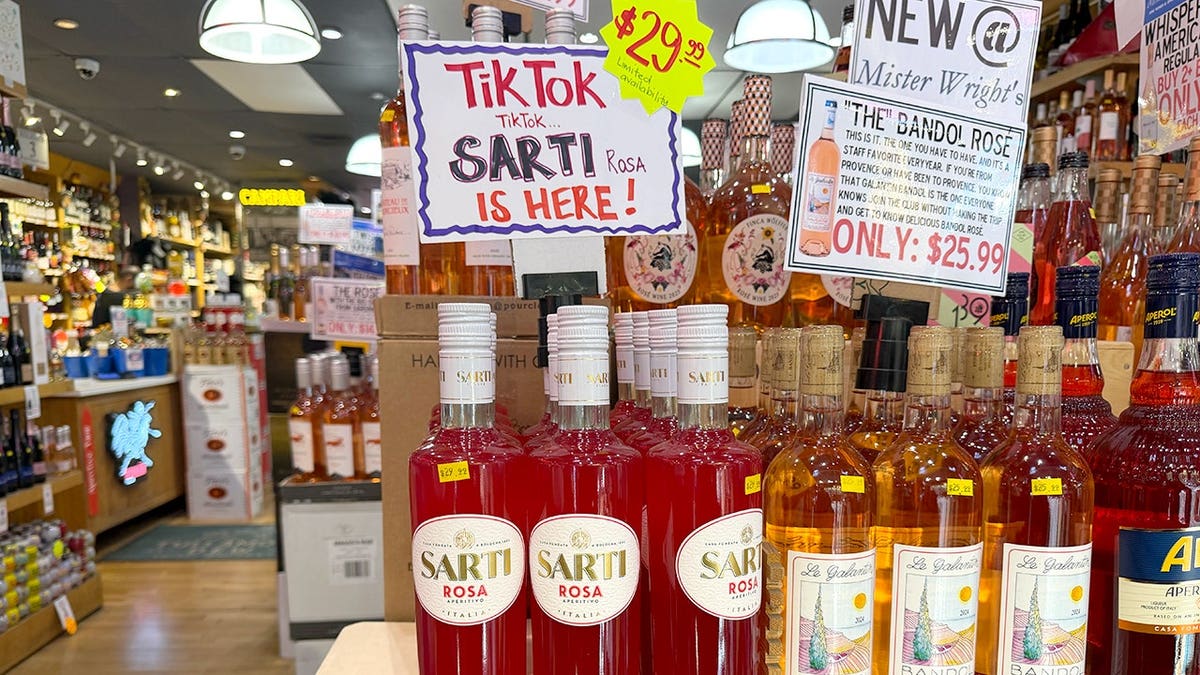
Sarti Rosa, an Italian aperitif, has arrived in the United States, generating considerable excitement. Previously exclusive to Europe, this spirit now graces American liquor stores and has become a viral hit.
Crafted by Casa Luigi Sarti & Figli, a respected distillery founded in Bologna in 1885, Sarti Rosa blends the flavors of blood orange, mango, and passion fruit. Experts believe its vibrant pink hue and sweet, fruity taste will attract many drinkers.
On social media, Sarti Rosa has gained a significant following. An influencer from Florence, Italy, declared, “Aperol spritz is out, Sarti spritz is in.” Another user shared their excitement after discovering Sarti Rosa in a Boston liquor store.
The official @sartispritz Instagram page has been flooded with fans urging the company to expand its presence in the U.S. In response, Sarti stated, “USA, we heard you. See you soon.” Now, bottles are available in places like New York City, retailing for about $29.99.
Derek Brown, co-founder of Drink Company in Washington, D.C., noted that while social media attention is high, bars have yet to catch up. “Social media can be its own bubble,” Brown said, adding that both consumers and bartenders need time to become familiar with it.
Brown also pointed out Sarti’s potential, highlighting its attractive pink color and relatively low alcohol by volume (14%), making it appealing to many. Its limited availability adds an allure of exclusivity.
Some restaurants have already embraced the trend, creating their own versions of the Sarti spritz. At The Farm Italy in New York, the ‘Saint Sarti Spritz’ mixes St-Germain, Sarti, lemon sorbet, mint, and prosecco, becoming a popular choice.
Marisela Camacho, a manager and beverage director at The Farm Italy, reported strong demand for the drink, often even before customers arrive. The visual appeal of the drink adds to its charm, turning heads and drawing interest.
Camacho anticipates that the enthusiasm for Sarti will continue beyond summer, with new variations likely to appear in the fall and winter.