Jeffries Sparks Debate Over Healthcare as Medicare for All Support Wanes
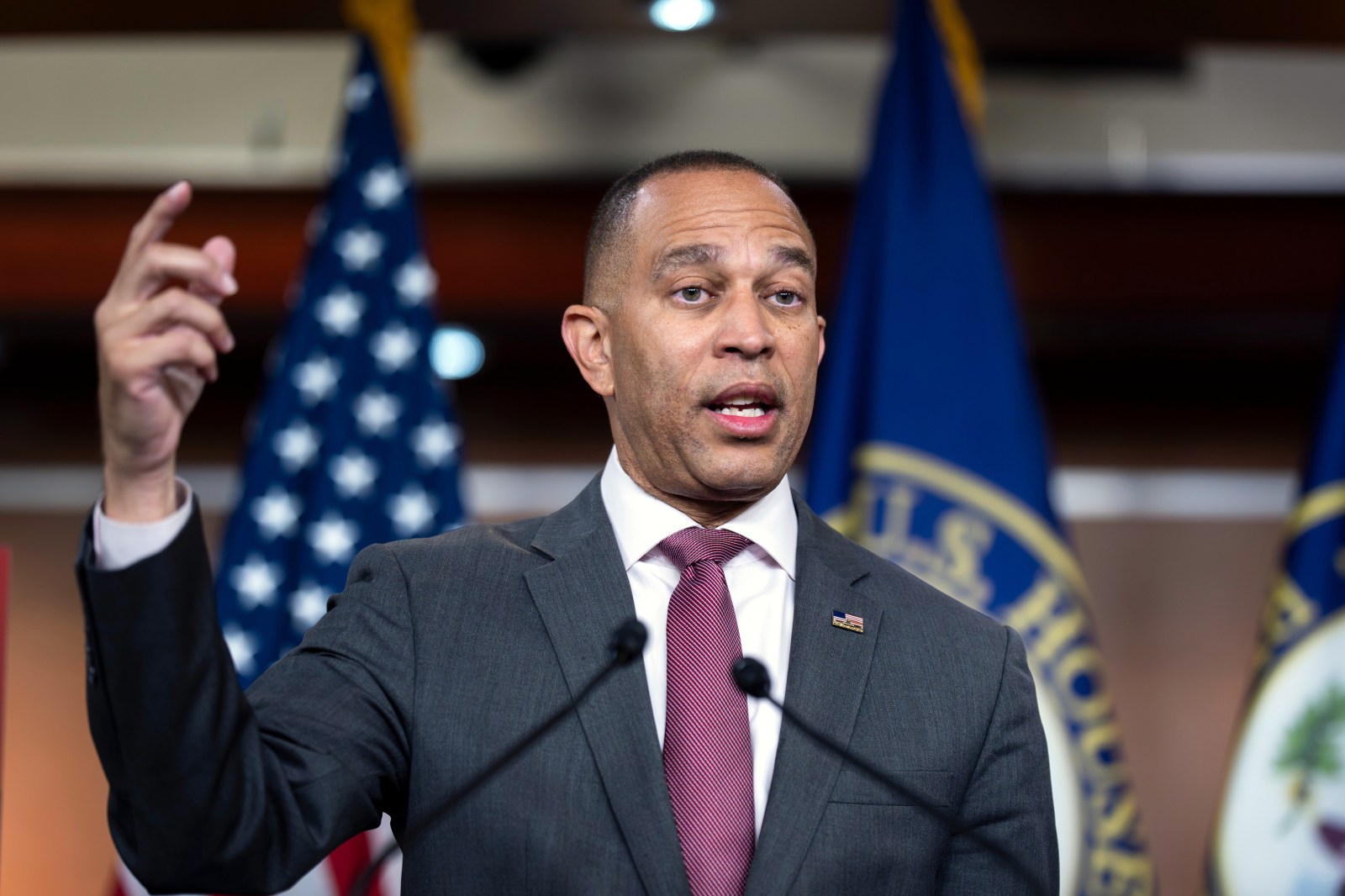
House Minority Leader Hakeem Jeffries has recently stirred debate within the Democratic Party by stating he does not currently endorse Medicare for All legislation. Although in earlier years, Jeffries co-sponsored similar proposals, he has changed his stance.
“I haven’t co-sponsored the Medicare for All legislation that has been introduced over the last several years,” Jeffries remarked during NBC’s Meet the Press on Sunday. He added, “We need to figure out how to fix our broken healthcare system and then build something better once we repair the damage that has been done.”
Interestingly, public polling indicates substantial American support for expanding government’s role in healthcare coverage. Recent surveys show a majority believe the federal government should ensure health insurance access, with support for a single-payer system increasing over the past decade.
Why It Matters
Jeffries’ comments highlight a growing divide within the Democratic Party regarding the pursuit of universal health coverage. Progressives such as Vermont Senator Bernie Sanders and Representative Ro Khanna of California argue that Medicare for All should be a top priority for Democrats. Conversely, moderates like Jeffries focus on reducing costs and enhancing existing programs instead of shifting to a government-run insurance model.
Healthcare costs remain a concern for many Americans. A survey by The Century Foundation in June revealed that 53% of voters reported cutting back on care or incurring debt due to healthcare expenses.
What to Know
During an appearance on NBC, Jeffries affirmed that he does not currently support Medicare for All legislation. He emphasized fixing the “broken healthcare system” and making healthcare affordable. Jeffries’ current stance is a significant departure from his past, where records show he co-sponsored Medicare for All bills in 2019 and 2021. “Democrats have seen dividing lines between moderate and progressive wings, with progressive nominees achieving unexpected victories recently,” noted Alex Beene, an instructor at the University of Tennessee at Martin.
Some Democrats fear progressive proposals might alienate voters during the upcoming elections.
What Is Medicare for All?
Medicare for All describes a single-payer healthcare system offering government-funded insurance to all Americans. While specifics differ among recent proposals, the most prominent versions include: covering all U.S. residents, replacing most private plans, and eliminating most premiums, deductibles, and co-pays. Additional benefits would include dental, vision, and hearing care.
The system would rely on new taxes and increased federal spending. While this could cut total health expenses and boost healthcare access, critics argue it would entail substantial federal costs and likely tax hikes. Critics also worry about the elimination of private insurance options and potential variability in quality.
“Medicare for All has faced sharp criticism as unsustainable and costly,” Beene stated. “Healthcare costs grow increasingly burdensome, so it’s unsurprising that polls show majority support, even among Republicans.”
What Polls Show
Polling indicates broad support for government intervention in healthcare, though opinions vary based on question framing. A November 2025 poll by Data for Progress revealed 65% backed Medicare for All when described as national insurance replacing most private coverage. The poll showed 78% support from Democrats, 71% from independents, and 49% from Republicans. Support remained above 60%, even with details about eliminating private insurance and raising taxes.
“Jeffries might be calculating politically, but Democrats should be cautious not to confuse caution over Medicare for All with satisfaction with the current system,” said Michael Ryan, finance expert and founder of MichaelRyanMoney.com. The polling indicates a more complex picture.
Pew Research Center surveys from November 2025 found that 66% of Americans believe the government should ensure health coverage. However, only 35% favor a fully nationalized insurance system, while 31% prefer a blend of government programs and private insurance. Among Democrats, 90% support government responsibility for health coverage.
While Americans might disagree on the exact structure of universal coverage, there is considerable support for greater federal involvement in securing access to care.
Why Americans Are Frustrated With the Current System
The appeal of Medicare for All may relate to rising affordability concerns. A recent KFF report revealed that nearly half of adults find healthcare costs challenging, with about one-third delaying or skipping needed care due to expenses. Moreover, 41% of adults reported carrying healthcare-related debt.
“Many Americans might enjoy higher disposable incomes if Medicare for All is enacted,” Kevin Thompson, CEO of 9i Capital Group, commented, referencing potentially lower out-of-pocket costs. He continued, “People in other developed countries often pay more taxes, but expenses Americans pay directly might be instead covered by taxes.”
Gallup research shows widespread concern among Americans regarding healthcare costs. One study found nearly one-quarter of workers remain in jobs because they fear losing employer-sponsored insurance. Over half reported struggles with consistently paying for medical care.
Overall, polling suggests voters favor Medicare for All despite common criticisms concerning taxes and private insurance. Nevertheless, Republicans and moderate Democrats argue that replacing the entire private insurance system poses significant political and financial challenges. Experts estimate trillions of dollars in annual federal spending and notable tax increases could be needed, even if national health expenditure eventually declines.
“Jeffries once supported a single-payer system but is distancing himself from the Democratic Socialists of America wing, which gains momentum,” Thompson remarked. “It’s likely a political move to shift toward the center, as some Democrats see it as essential for success in upcoming elections.”
What Happens Next
Despite Jeffries’ recent statements, progressive Democrats are likely to continue advocating for Medicare for All, as premiums and out-of-pocket costs rise. Moderates will likely focus on strengthening the Affordable Care Act.
“A sweeping overhaul isn’t on the horizon,” Beene noted, “but elements might be used to offer financial relief to individuals and families.”