VA Launches $29 Million Program to Assist Homeless Veterans
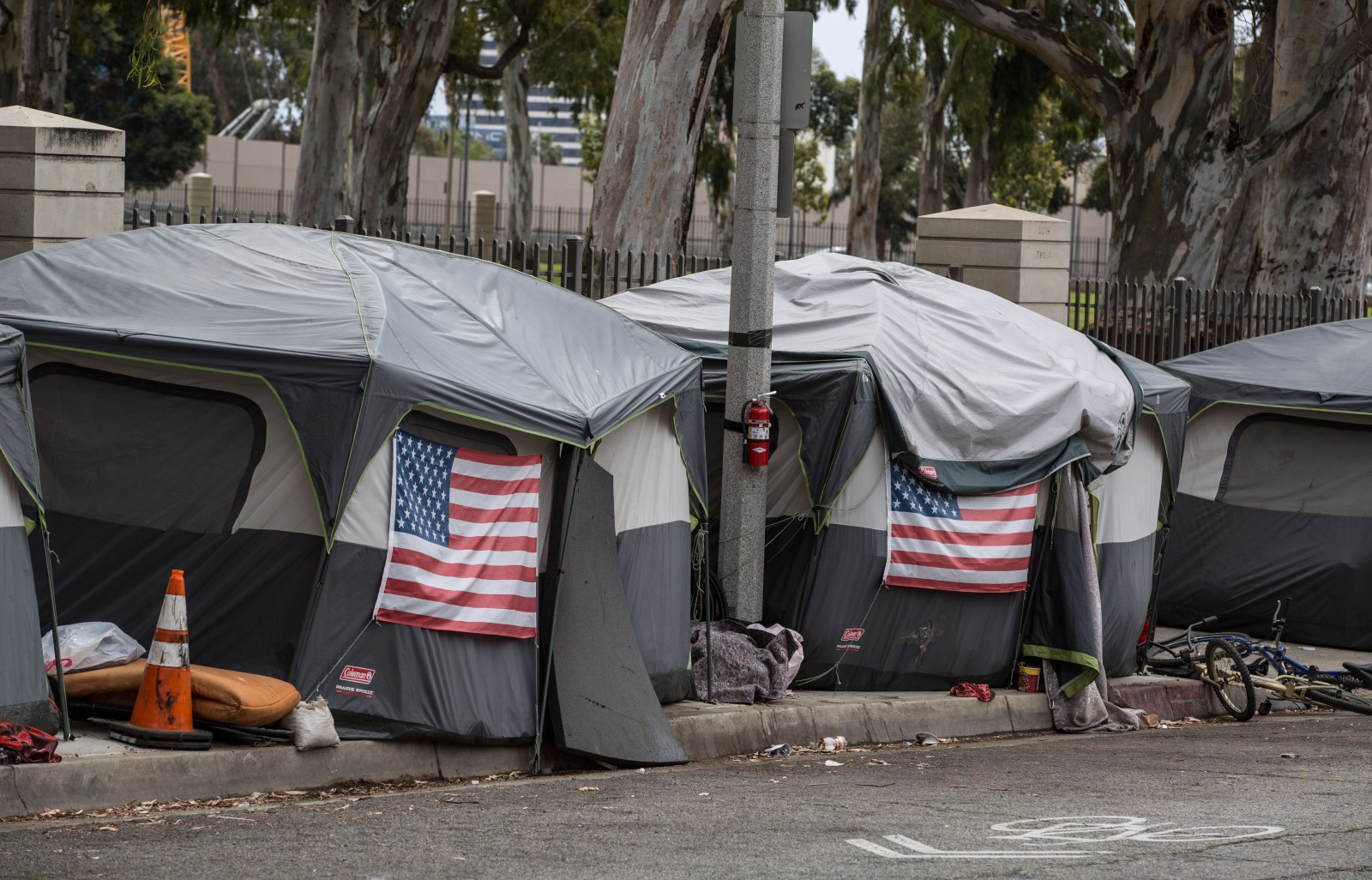
The Department of Veterans Affairs (VA) has introduced a new assistance program worth $29 million aimed at supporting veterans who are experiencing homelessness. This initiative promises provisions such as food, smartphones, rental support, hotel accommodations, and transportation.
Program Overview
Announced on Friday, the program allocates up to $11 million for goods and services available through VA medical centers. An additional $18 million is designated for transportation. This assistance is part of the Senator Elizabeth Dole 21st Century Veterans Healthcare and Benefits Improvement Act. It targets eligible homeless veterans and those involved in a federal housing support program.
VA medical centers plan to offer goods and services starting early fiscal year 2027, beginning in October. The department aims to award transportation contracts by September 2026, with services initiating upon contract activation.
Under President Trump, VA is making amazing progress keeping Veterans off the streets, and this critical program will help us continue these important efforts,” VA Secretary Doug Collins stated in the announcement.
Available Assistance
According to the VA’s plan published in the Federal Register, eligible veterans might receive food, clothing, blankets, hygiene supplies, and other essential items. Shelter support includes rent and utility payments, covering debts from previous months if they facilitate housing stability. Additional support extends to security deposits, moving costs, and short-term storage. Typically, rental and utility aid is limited to 10 months over two years, though exceptions are possible when extended support is warranted.
Other provisions include necessary furniture, bedding, cookware, small appliances, and cleaning materials. Temporary hotel or motel stays are also covered. For those without permanent shelter, sleeping bags and tents are available. Smartphones, tablets, disposable phones, and service plans may be provided based on clinical assessment to maintain connections with health providers, landlords, or family.
Transportation assistance includes public transit vouchers or rideshare trips for medical appointments, housing and employment searches, legal appointments, emergency housing, and food access. Assistance will not be given as direct cash. Instead, VA medical centers will directly handle purchases for qualifying goods and services. Clinical staff, predominantly social workers, will evaluate veterans individually to determine suitable assistance.
Eligibility Criteria
Veterans considered homeless under federal standards qualify for this program. This includes individuals without a stable nighttime residence, those in shelters, or living in unsuitable accommodations. Also, veterans on the brink of losing their housing or facing unsafe situations like domestic violence are covered.
The program also supports participants of HUD-VASH, the Department of Housing and Urban Development-Veterans Affairs Supportive Housing program. HUD-VASH combines HUD rental assistance with VA management and services, administered through local housing agencies with VA staff aiding housing acquisition and maintenance.
Improvement in Veteran Homelessness
Veteran homelessness has significantly declined in the last 15 years. The VA’s recent Point-in-Time Count reported 32,495 veterans experiencing homelessness on a single night in January 2025, the lowest since HUD began tracking in 2009. This is a 1.2 percent decrease from January 2024 and a 56.1 percent drop since 2010, including veterans in shelters and inadequate living situations.
In fiscal year 2025, the VA reported permanent housing for 51,936 homeless veterans, the highest in seven years.
Challenges in Staffing and Housing
Despite improvements, a March Government Accountability Office (GAO) report identified staffing and housing issues within HUD-VASH. Between 2020 and 2024, 14 to 18 percent of case manager roles were vacant, with annual turnover between 20 to 26 percent. Staff shortages can delay program entry and reduce available support.
GAO also noted significant record-keeping gaps. Of 174,045 referral forms not resulting in HUD-VASH referrals from 2020 to 2024, the department failed to document reasons in 87 percent of cases. This hampers the VA’s ability to detect unmet demand and allocate case managers effectively.
Rising housing costs pose another challenge. The average monthly HUD-VASH assistance increased from $706 in 2020 to $953 in 2024. Rising rents, limited supply, and landlord reluctance hinder voucher utilization.
The VA acknowledged GAO’s recommendation to improve data collection on non-referred veterans. Newsweek contacted the department for further comments.