Mitch McConnell’s Absence Sparks Paid Leave Debate
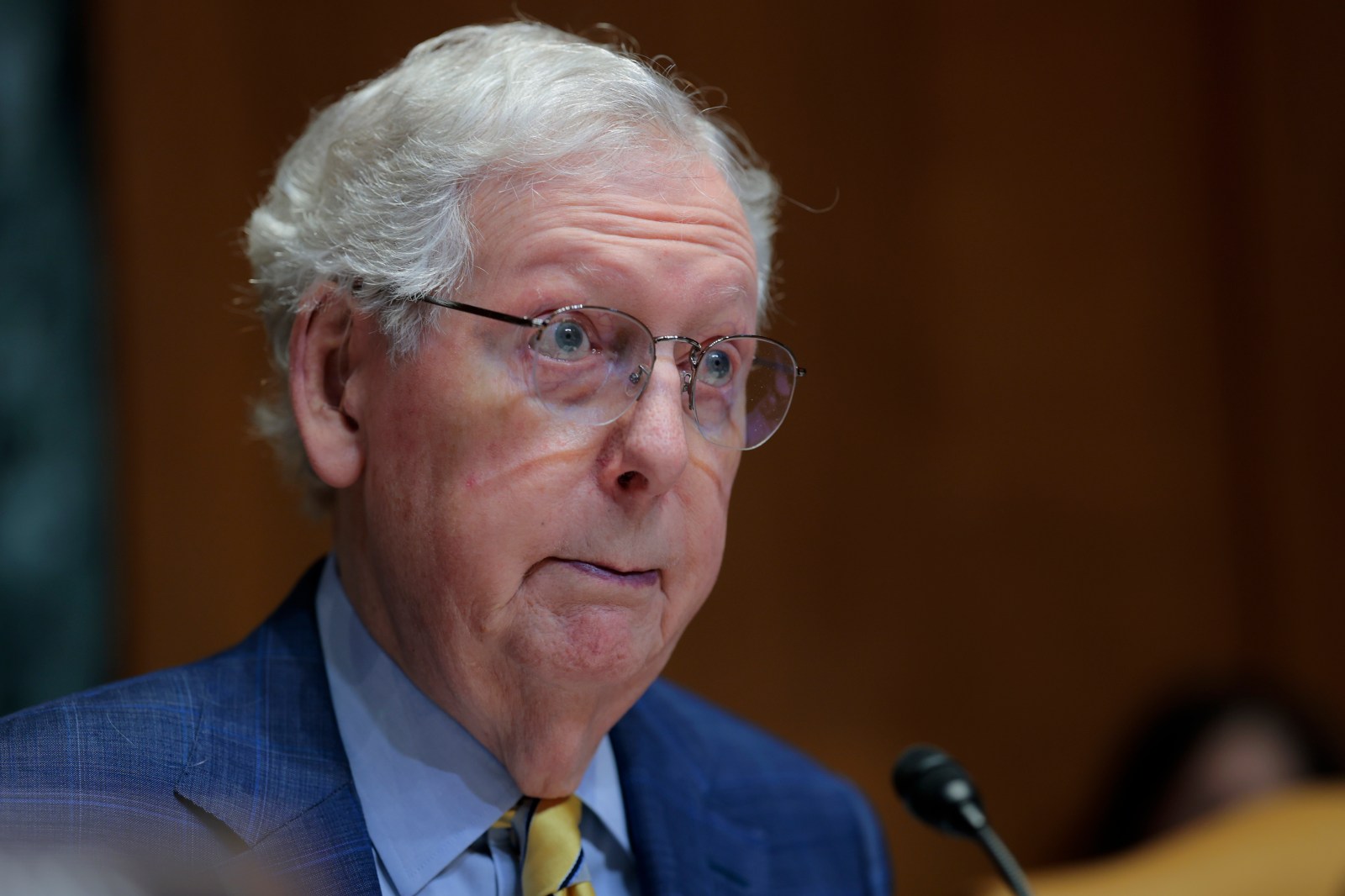
Senator Mitch McConnell’s ongoing recovery from his fall in June is raising questions about paid leave in the U.S., specifically for women after childbirth. McConnell continues to draw his full Senate salary during his medical leave, despite no official congressional policy on paid leave. This scenario highlights the lack of equivalent benefits for everyday Americans, particularly new mothers.
Current U.S. Maternity Leave Policies
The United States stands alone among wealthy nations in not guaranteeing paid parental leave federally. The Family and Medical Leave Act (FMLA) allows for job-protected leave, but it is unpaid and often excludes small business employees. Only certain states, like California and New York, offer paid family leave, leaving most states without such protections.
Paid Leave Discrepancies
For most American women, paid maternity leave depends on their state of residence and employer policies. Federal law does not mandate compensation post-childbirth. Some states provide partial wage replacements, but the disparity remains stark compared to the uninterrupted salaries of Congress members like McConnell during medical leave.
This disparity highlights the necessity for federal legislation ensuring the same rights for all Americans as are available to Congress,
stated attorney Thomas Ricotta.
Ongoing Debate Over McConnell’s Health Leave
McConnell began his medical leave after a June fall that led to hospitalization and rehabilitation. Despite his Senate absence, he continued receiving his full salary, prompting debates on fairness in medical leave policies. Kentucky Governor Andy Beshear criticized McConnell’s lack of transparency regarding his health.
Beshear publicly questioned McConnell’s ability to fulfill office duties, urging him to prove his fitness or consider resignation. McConnell’s office has provided limited updates, stating he continues to recover and engage in remote Senate activities.
Unequal Treatment in Medical Recovery
Critics highlight that McConnell’s paid leave illustrates humane treatment in health recovery, contrasting with the minimal protection available for women after childbirth. Advocacy groups argue for guaranteed paid time off for new mothers to recover fully before work resumption.
Professor Margaret Quinlan emphasized Postpartum recovery deserves the same policy support as other medical events.
Yet, as McConnell benefits from robust leave, millions lack similar opportunities, facing job and financial strain when recovering from childbirth.
Kentucky’s lack of a statewide paid family leave program further underscores this disparity. Private sector employees in Kentucky rely on employer policies or unpaid FMLA leave, activities often disrupted due to a lack of temporary coverage, as noted by Beth Wanner, founder of Mother Cover.
Wanner stated, Senate operations paused, reflecting the systemic issues mothers face — split work and career impacts during maternity leave.
Advocacy for stronger policies continues, striving to bridge this gap between public policy and personal health needs.