First Time Homebuyer Debt Reduction Act: Aims and Limitations
Introduction of the Bill
A recently introduced bill in the House seeks to address major challenges for young Americans aiming to purchase a home: student loan debt and housing affordability. Representative Jeff Crank, a Republican from Colorado, brought the First Time Homebuyer Debt Reduction Act to the House on August 13. This bill is currently under review by the House Financial Services Committee.
Provisions of the Bill
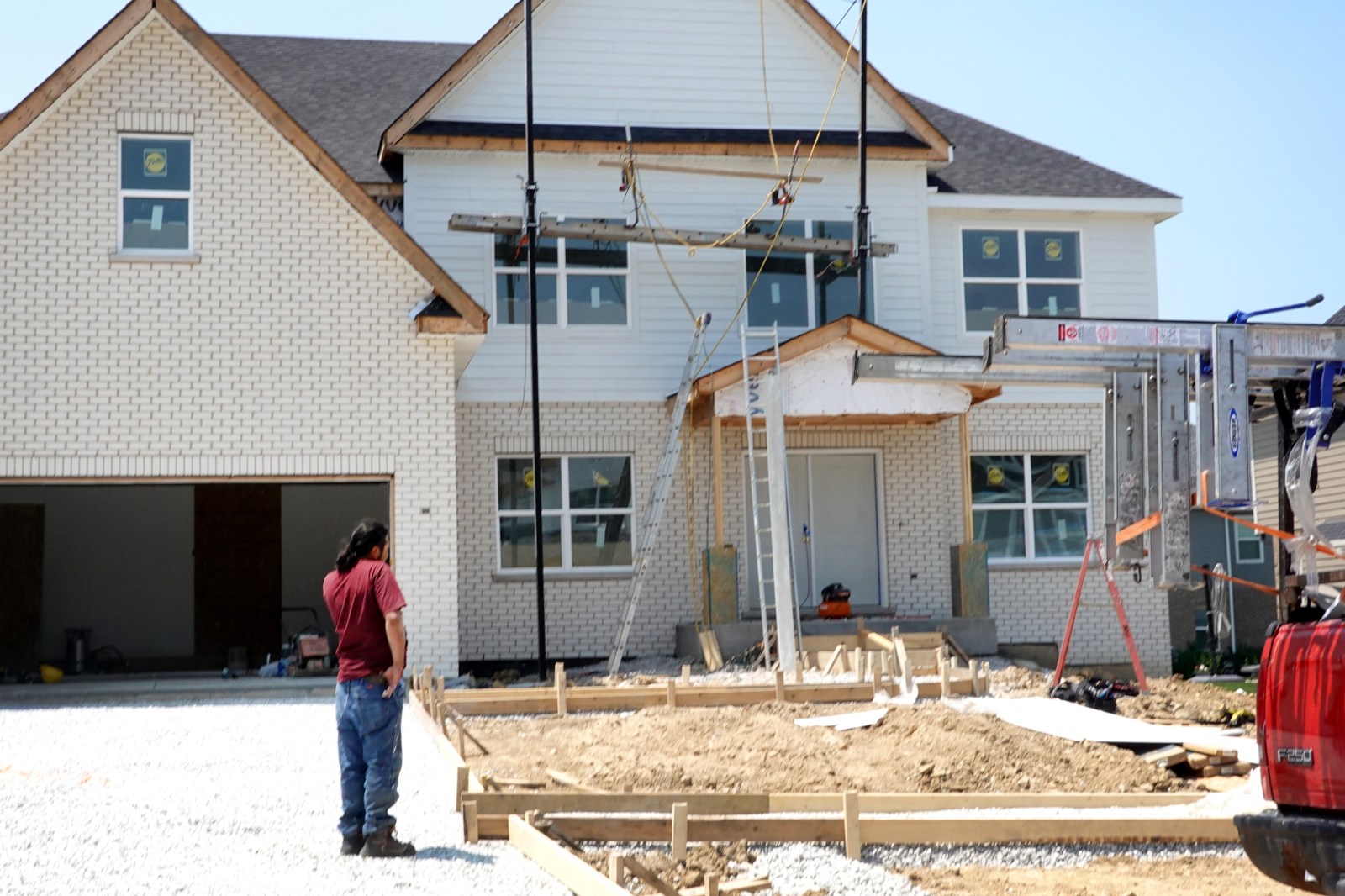
The bill proposes that government-backed lenders, Fannie Mae and Freddie Mac, classify certain payments made toward federal student loans as financial concessions when a homebuyer purchases a newly constructed home as their primary residence. Builders, sellers, or other parties involved in a home sale could contribute up to $25,000 to a buyer’s federal student loan debt. This amount would be treated as a financial concession, while anything above it would be labeled a sales concession.
This provision means that builders can entice buyers by offering to cover part of their student loan debt. It targets the improvement of the buyer’s debt-to-income ratio, a key factor in mortgage approval. Reducing student debt could also decrease monthly financial obligations, enabling buyers to qualify for larger mortgage amounts.
Target Audience
The bill focuses on helping younger Americans struggling with student loan debt amid increasing housing costs. This legislation would apply exclusively to newly constructed principal residences, aiming to make homeownership accessible to young buyers burdened by student loans.
Expert Opinions
Experts have raised concerns about the bill’s effectiveness in providing actual financial help. Fenaba R. Addo, a public policy professor at the University of North Carolina-Chapel Hill, states that the bill clarifies existing concession rules instead of offering direct financial benefits. She indicates that the bill allows student debt payments to count as sellers’ concessions, affecting funds that would otherwise cover closing costs. This clarification doesn’t create new funds for borrowers but explains how sellers’ concessions can be allocated, potentially benefiting specific groups rather than all first-time buyers with student debt. Addo notes that this legislation might assist those with higher interest student loans or those denied mortgages due to their debt-to-income ratios.
Legislative Process and Future Steps
The bill’s journey toward becoming law involves multiple stages, including approval by the House Financial Services Committee, passing both Congressional chambers, and obtaining the president’s signature. According to GovTrack, the likelihood of the bill’s enactment currently stands at about two percent.