Scrutiny on U.S. Navy Ship Conditions as USS George Washington Heads to Middle East
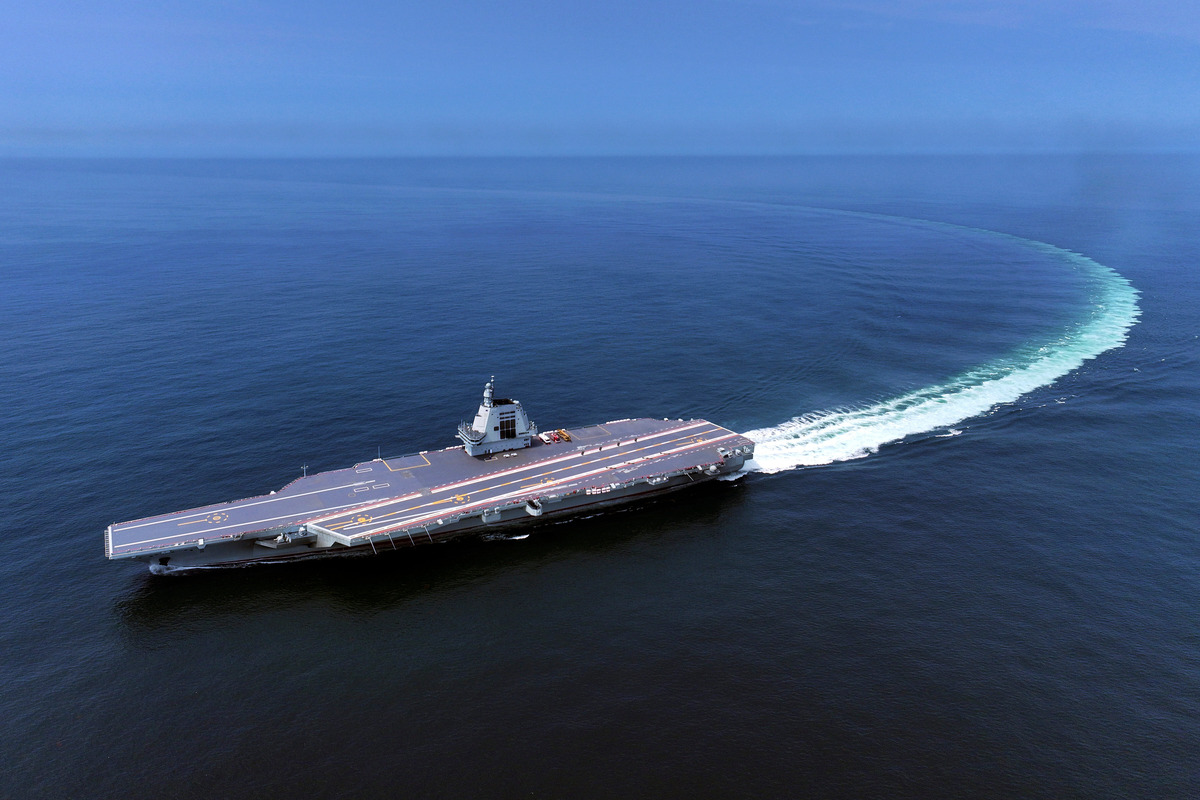
The USS George Washington aircraft carrier is moving to the Middle East to relieve the USS Abraham Lincoln. This move leaves the U.S. without an aircraft carrier in Asia, raising concerns about living conditions on navy ships. Lawmakers are demanding answers regarding conditions on the Lincoln. Reports from family members and on-board texts point to plumbing issues, low morale, water shortages, and inadequate food supplies.
The Abraham Lincoln has spent over 200 days at sea without a port call, originally scheduled to return to San Diego in May. Instead, it was redirected to the Middle East for the conflict with Iran that began on February 28. The deployment has seen numerous extensions. Video footage emerged showing mold and grime on the Lincoln, which prompted the Navy to investigate.
A separate incident in late July involved a power failure on the guided-missile destroyer USS Benfold in the South China Sea. The ship drifted for days before being towed to the Philippines. Affected crew members faced issues with toilets, air conditioning, and water supply.
Meanwhile, the U.S. 5th Fleet denied reports of a shortage of feminine hygiene products on the USS Boxer, an amphibious assault ship in the Middle East. Such ships transport troops, helicopters, and jets. The U.S. Navy is stretched by ongoing operations and maintenance delays. Worker shortages, cost increases, and shipbuilding delays exacerbate these issues.
China’s navy now surpasses the U.S. fleet in ship numbers, owing to its robust shipbuilding industry with over 300 shipyards. The Center for International and Strategic Studies (CSIS) highlights China’s shipbuilding advantage. U.S. shipyards produced five large merchant ships in 2024, while a single Chinese shipbuilder produced 250 vessels in the same period.
The U.S. shipbuilding industry faces deep challenges. The Navy’s new strategy, announced alongside a national security memorandum by former President Trump, aims to address the shortfall of 64 required battle-force ships. The Government Accountability Office (GAO) identifies persistent maintenance challenges, especially for non-nuclear ships, due to a shortage of parts and skilled personnel.
Mental Health Concerns
Prolonged deployments impact sailors’ mental health, isolating them from family contact. Extending deployments without clear reasons can demotivate sailors. Former commanders report that uncertainty about deployment lengths is a major stress factor for crews.
Reports indicate that longer deployments are becoming more frequent. Senator Richard Blumenthal expressed serious concerns about these extensions when reaching out to Defense Secretary Pete Hegseth and acting Navy Secretary Hung Cao.
The Navy maintains no evidence of a mental health crisis aboard the Lincoln, but emphasizes crew well-being. Admiral Brad Cooper, U.S. Central Command chief, recently visited the Lincoln, praising efforts to prioritize crew health.
In contrast, the Chinese navy has traditionally operated closer to home. However, China is working to extend its logistics capabilities. Studies of Chinese navy personnel highlight the impact of deployment length on mental health. Between 2011 and 2015, Chinese sailors showed higher rates of mental health disorders when compared to periods on land.