The Defiance Against Censorship: A Tale of ‘Satluj’ in Punjab
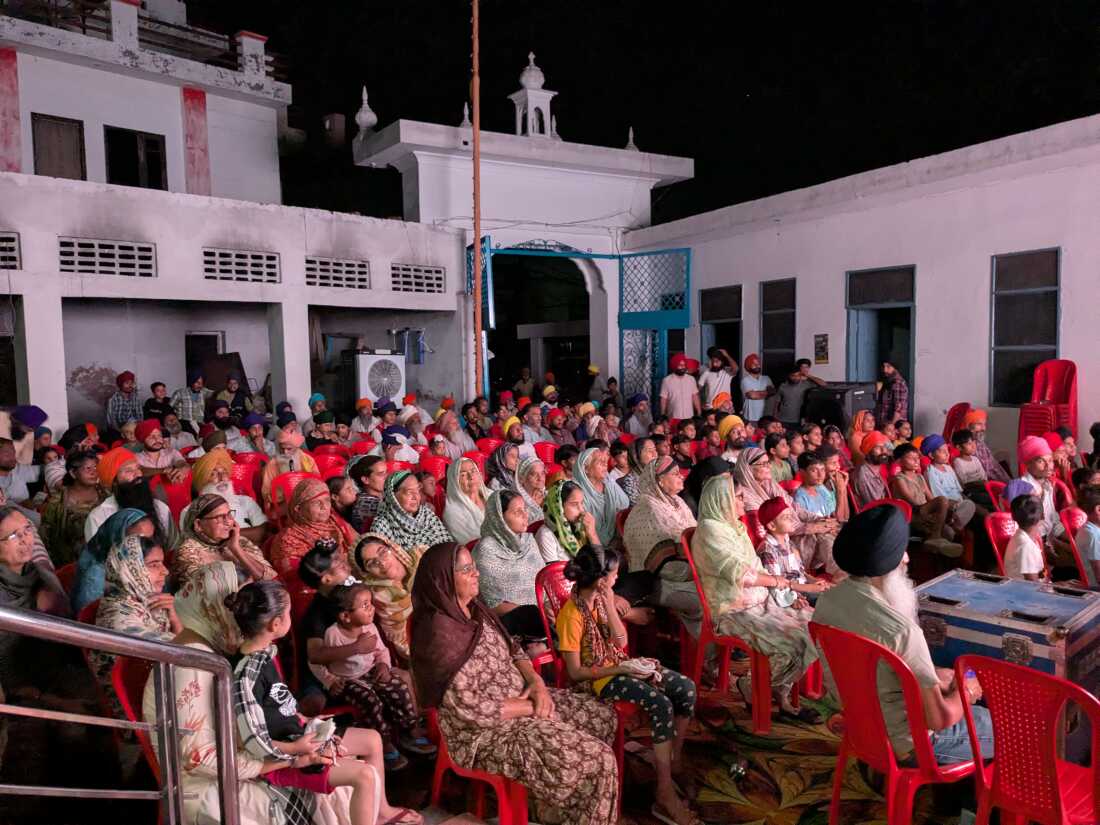
In early July, the residents of Bandala, a village in Punjab, India, gathered at a local Sikh temple for the screening of ‘Satluj’. This film was blocked by the Indian government for ‘national security’ reasons. The evening unfolded with farmers, having completed their chores, seated in plastic chairs while volunteers served strawberry juice.
The film did not receive a theatrical release due to censorship and was removed from a streaming platform shortly after its online debut. The Ministry of Information and Broadcasting has remained silent on the exact reasons for this move. Despite its restricted status, ‘Satluj’ posters adorned the village, promoting its narrative centered around Sikh history and identity, appealing to an audience eager to engage with these themes.
‘Satluj’ portrays the life of Jaswant Singh Khalra, an activist who exposed the unlawful killings carried out by security forces and was later killed under mysterious circumstances. His story is set against the backdrop of the Sikh separatist movement in the 1980s, which led to significant violence and unrest. Khalra collected evidence of such killings and pursued justice through the courts.
Historical Context of ‘Satluj’
The 1980s and 1990s in Punjab saw turbulence as Sikh separatists clashed with Indian security forces. Many Sikhs sought asylum abroad, fearing for their safety. Some police officers allegedly exploited this situation, extorting families by threatening their loved ones. Khalra’s relentless efforts to document these abuses marked him as a significant figure in combating state excesses.
Khalra noted that up to 25,000 youths might have been killed statewide, though this number is debated. His untimely disappearance and the later conviction of police officers for his murder highlight the persistent tension between state narratives and citizen activists seeking truth.
Despite legal action taken decades later, many still await justice. The blocking of ‘Satluj’ has sparked rare defiance. Sikh leaders and communities across Punjab have organized screenings, challenging the state’s censorship and rallying public unity.
Censorship and Its Impact
The creators of ‘Satluj’ faced challenges before its release. The film certification board delayed its approval for years. Director Honey Trehan recounted discussions with board officials skeptical about the film’s loud truth-telling.
While the film is blocked from theaters, communities are sharing bootleg versions and staging their own screenings. The authorities emphasize concerns about stirring separatist sentiments, fearing international activism might rekindle domestic unrest. Yet, many argue the film’s focus is on past injustices, not separatism.
Preserving Memory and Justice
Ranjit Singh Babbar, a viewer, related a personal tragedy to ‘Satluj’. His father, Atma Singh, was allegedly abducted and killed by police in the 1990s. For Babbar, the film’s message resonates deeply. He yearns for recognition and justice, viewing Khalra’s work as a beacon of hope.
For those watching ‘Satluj’, the film represents not merely a piece of entertainment but a critical act of remembering and questioning. The collective screenings signify a community’s desire to revisit and address unresolved issues, emphasizing the lasting impact of state actions on individual lives.