AI-Based Brain Age Estimation in Predicting Dementia
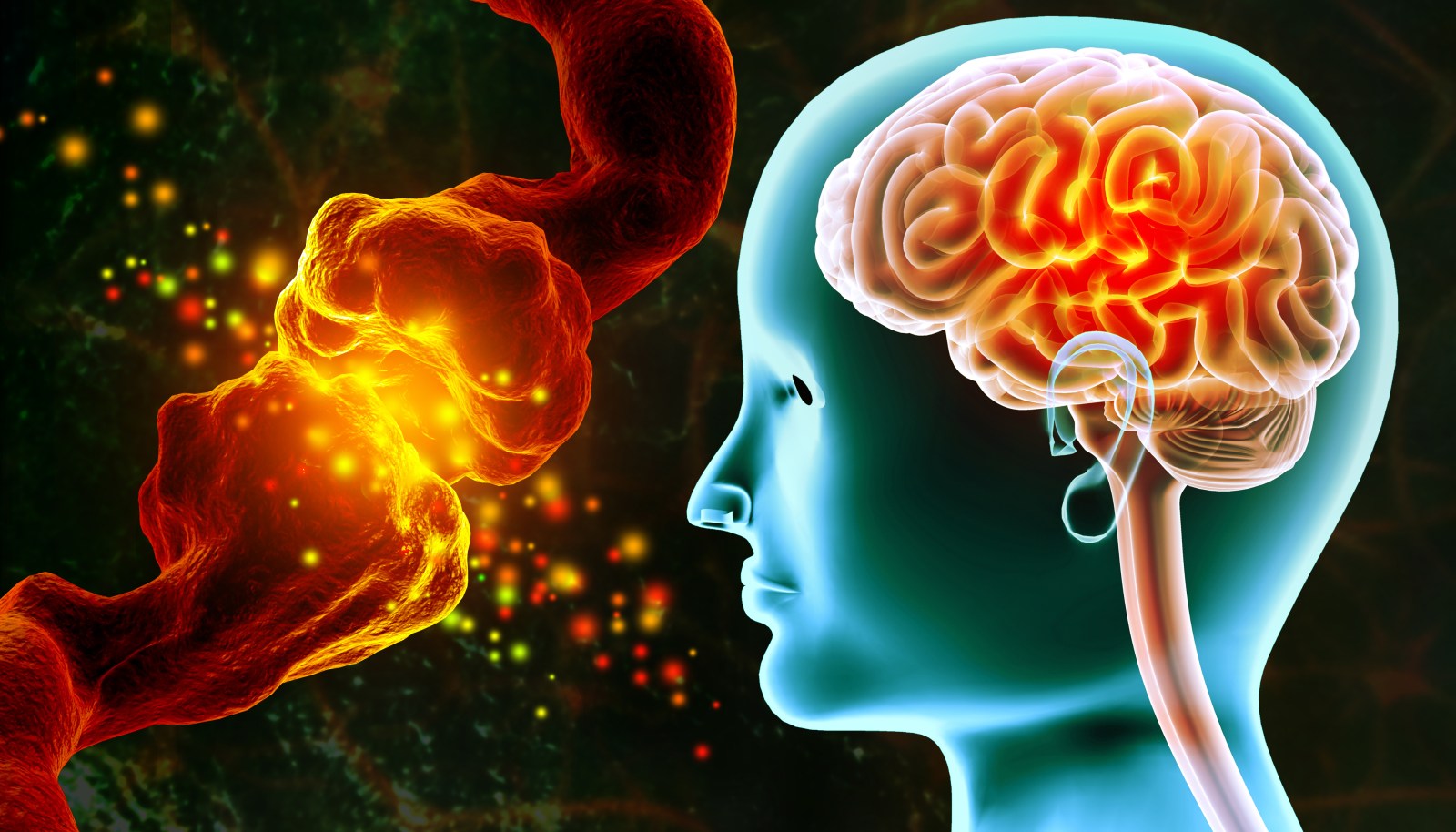
Researchers propose a new method to predict the future development of dementia by examining how old a brain appears on scans relative to a person’s actual age. Traditionally, memory clinics rely on visual rating scales to assess brain atrophy as signals of dementia. However, these scales often miss subtle changes synonymous with early disease stages.
Dementia encompasses a range of brain-affecting diseases like Alzheimer’s. It impairs memory, thinking, and daily activity performance. According to the World Health Organization, in 2021, 57 million individuals globally were living with dementia. Early symptoms entail memory lapses, disorientation in known environments, conversational difficulties, and inappropriate behaviors. There is no known cure for dementia. As the condition worsens, patients struggle with recognizing acquaintances, mobility, and basic bodily functions.
A study led by researchers at Amsterdam UMC indicates that determining how old a brain appears on MRI scans, through AI-based algorithms, may predict dementia risks years ahead of traditional diagnosis methods. This method reveals a mismatch known as brain-PAD between the brain’s apparent age and the actual age. Each year a brain appears older than the chronological age raises dementia risk by 6%.
“A key insight from our study is that computer-estimated age from brain MRI (brain age) adds information beyond visual assessments by radiologists in people with subjective cognitive decline,” researcher Stefan De Vries explained to Newsweek.
The research utilized data from 2002 to 2024, involving patients at an Alzheimer Center. It compared the brain age against visual MRI assessment scores and cognitive test findings for accuracy.
Findings showed that among patients with subjective cognitive decline (SCD) and mild cognitive impairment (MCI), those with a structurally older brain faced a heightened risk of dementia. Surprisingly, if an SCD patient’s brain presented at least 2.6 years younger than their actual age, there was a 99% probability of them not developing dementia over the next two to ten years. In contrast, brain age calculations for MCI patients offered limited advancements beyond existing MRI ratings.
This research opens the door for further exploration into clinical settings, potentially integrating AI tools with current diagnostics to identify individuals at risk of developing dementia. De Vries and his team are actively exploring AI’s potential to elevate diagnostic accuracy in memory clinic patients.
Reference: Stefan De Vries et al, “Comparison of Brain Age With Standard MRI Assessment for Dementia Risk Stratification in Subjective and Mild Cognitive Impairment,” Neurology (2026). DOI: 10.1212/wnl.0000000000218418