Rising Tensions Between Israel and Turkey Amid Middle Eastern Dynamics
Israel-Turkey Feud Intensifies
President Trump is intensifying economic pressure on Iran. Meanwhile, a separate conflict involves Israel and Turkey. Last week, Israel hit a Syrian airbase just hours after a Turkish defense team visited. Israel alleged Damascus violated security agreements with Ankara’s military presence, prompting Turkey to accuse Israel of infringing Syria’s sovereignty and demand the Israeli PM’s arrest for alleged crimes.
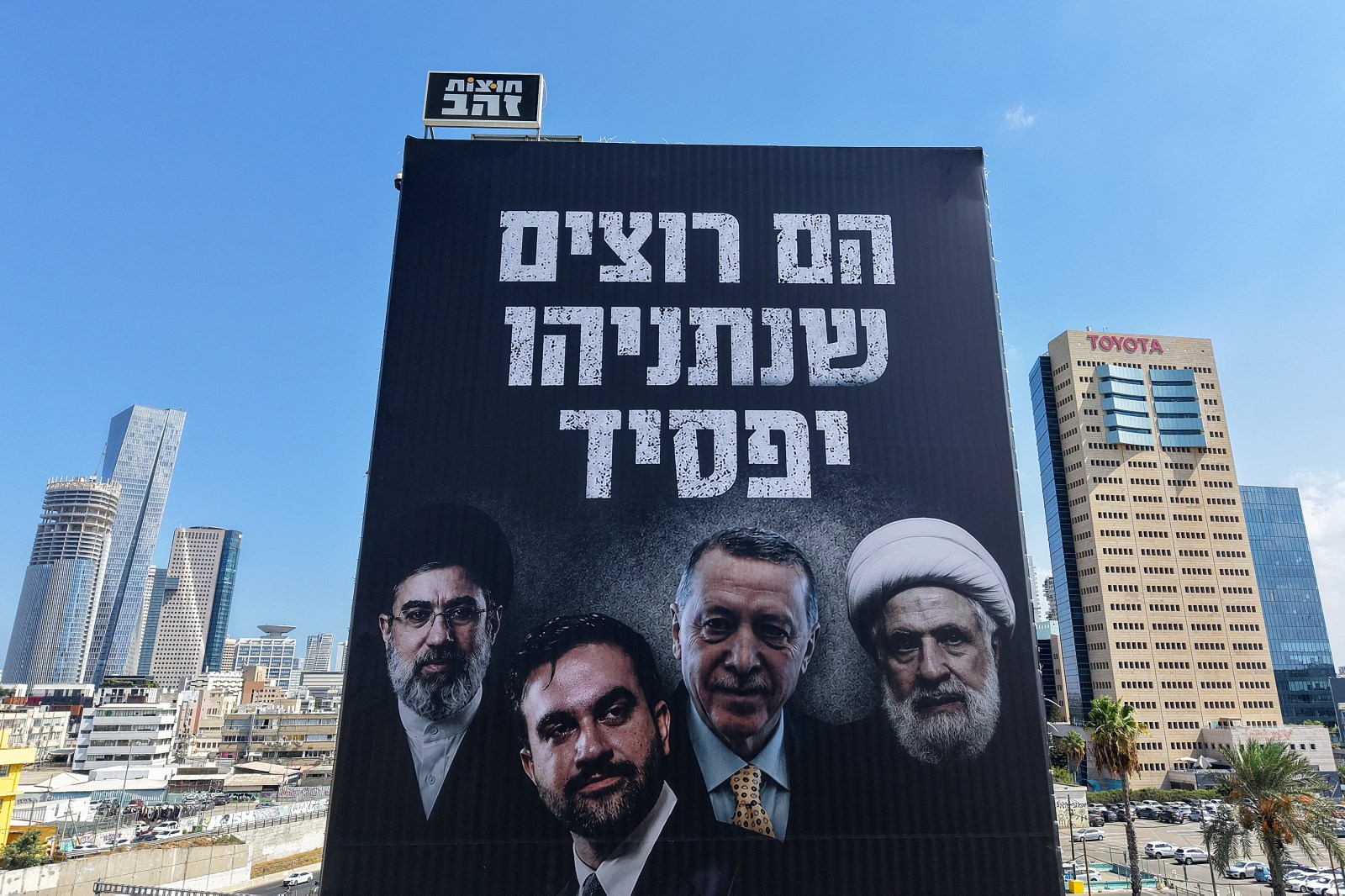
As rhetoric flared, Israeli PM Netanyahu’s office labeled Turkish President Erdogan an “antisemitic dictator” trying to intimidate Israeli leaders and soldiers. Erdogan’s office responded, criticizing Netanyahu’s political tactics and attempts to present Türkiye as a threat. Tensions are high as Israeli elections loom. Erdogan is featured on an Israeli billboard with figures like Iran’s Ayatollah Khamenei and Hezbollah’s Naim Qassem, calling for Netanyahu’s electoral defeat.
Potential for Direct Conflict
Analysts, including Ismail Numan Telci, director at Ibn Haldun University, warn of potential clashes. Though a direct military confrontation seems unlikely now, ruling it out entirely is premature, given Syria’s volatile environment and domestic political influences. A limited flare-up is possible, especially if Israel challenges Turkey at an airbase again.
Historical Context of Israel-Turkey Relations
Turkey was first to recognize Israel among Muslim nations in 1949. Connections shifted during the Cold War; Turkey joined NATO in 1952 while backing Palestinian self-determination. Erdogan’s initial tenure from 2002 saw engagement with Israel, but ties soured notably after the 2009 Gaza conflict.
Attempts to reconcile were overshadowed by Erdogan and Netanyahu’s disputes, especially amidst the ongoing Middle East crisis sparked by Hamas’ attack on Israel in October 2023 and conflicts in Gaza. Israeli officials accuse Erdogan of hostility, with Consul General Ofir Akunis calling him “extreme” and faulting his support for Gaza blockade-breaking flotillas, alleging he aids Israel’s adversaries.
Turkey criticizes Israel’s Netanyahu-led actions, condemning alleged war crimes and crimes against humanity. Syria is a critical flashpoint, with Erdogan and Netanyahu opposing Assad but Erdogan aligning with Syria’s current President al-Sharaa, drawing Israeli intervention.
Strategic Alignments and U.S. Influence
Trump has praised Erdogan’s role in reshaping Syria-U.S. relations. Syrian leadership under Sharaa, meeting with Trump, sees increased cooperation, lifting U.S. sanctions. Netanyahu is concerned about Turkey’s expanding influence.
Discord between Trump and Netanyahu emerged during their campaign against Iran, with Trump criticizing some Israeli actions in Syria related to Druze militia support. The recent Israeli strike on Syria drew U.S. criticism from Ambassador Tom Barrack, who called it “unnecessary” and noted Israel’s claims about prior warning were questionable.
Telci sees Barrack’s comments as indicative of a shift in U.S. support for Israel. Orion highlights potential concerns with Trump’s support for Erdogan and Sharaa, potentially diverging from traditional U.S.-Israel alignment.
Emerging Regional Alliances
A new regional order includes Turkey-Saudi Arabia-Pakistan defense cooperation, which Trump supports as a sign of regional cohesion. Israel’s response was measured, with Netanyahu boosting ties with Greece and Cyprus. Turkey’s maritime moves add tension in the Eastern Mediterranean, as Israel’s vision for the Middle East faces competition from Turkey’s emerging agreements.
A “Mecca Agreement” might not target Israel specifically, but Israel’s perception of Turkey as a potential Sunni bloc cornerstone with Saudi, Pakistan, and quite possibly additional states in future showcases regional shifts.
U.S. Policy Towards Conflict Resolution
Potential conflict impacts involving Israel and Turkey could challenge Washington further than the ongoing U.S.-Israeli conflict against Iran. Former advisor Rich Outzen warns of likely conflicts due to Israel’s current aggressive policy towards perceived threats, encompassing Iran proxies and U.S. allies adjusting military operations in sovereign airspace.
Outzen advises mediation and economic cooperation to resolve tensions as U.S. focus remains on Iran while attempting de-escalation. However, U.S. political mood resists direct Middle East management, instead urging allied initiative to improve regional conditions.