Closing of Lindsay Clancy’s Murder Trial: Key Points
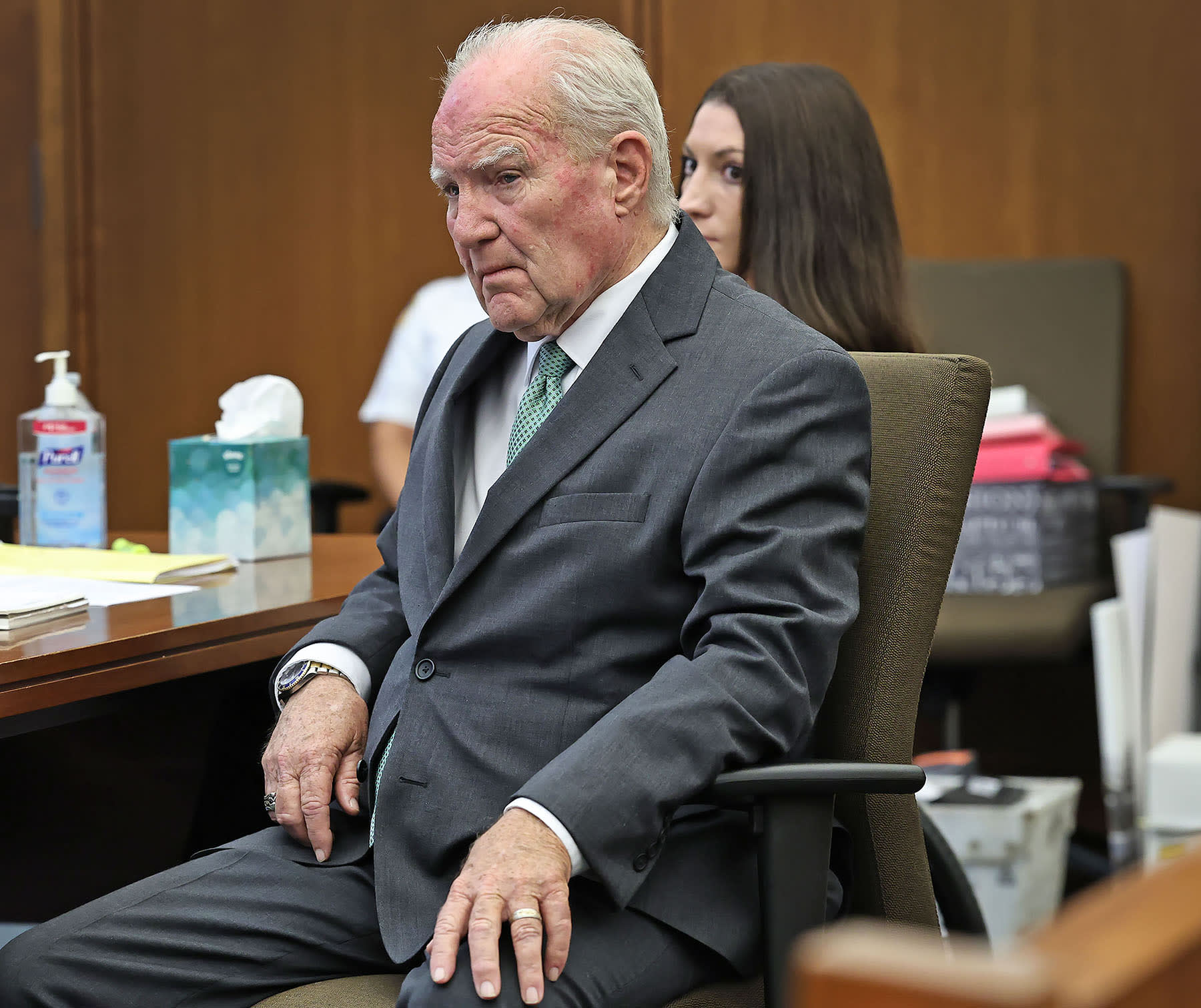
The trial of Lindsay Clancy, accused of murdering her three young children, is nearing its conclusion. The children, Cora (5), Dawson (3), and Callan (8 months), were killed at their home in January 2023. Clancy’s mental health has been a central issue in the trial. Prosecutors argue she deliberately murdered them, while her defense claims she was suffering from postpartum psychosis, impairing her ability to understand her actions.
Prosecution and Defense Arguments
Both sides presented their cases, with the prosecution’s final witnesses questioning Clancy’s claims of suffering from postpartum psychosis. The defense emphasized testimonies from Clancy’s friends and family, including her husband, Patrick Clancy, who described her as a dedicated mother. The five-week trial has captured widespread attention, extending beyond the Massachusetts courtroom to podcasts and social media, highlighting gaps in maternal healthcare.
Defense’s Strategy
Defense attorney Kevin Reddington challenged the expertise of Dr. Gregory Saathoff, a psychiatrist involved in the case. Reddington questioned Saathoff’s decision on medication-related matters, focusing on Clancy’s choice to decline a specific drug due to severe side effects. Saathoff, who testified remotely and was compensated indirectly through his university salary, defended his assessments.
Clancy’s Mental Health and Actions
Saathoff testified that Clancy acted with awareness, sending her husband out and choosing to act while alone. Her selection of exercise bands as a weapon indicated deliberate planning. Saathoff maintained that Clancy understood the wrongfulness of her actions, citing her behavior in sending her husband on an errand and acting when alone.
Medication and Mental Health Insights
An important point addressed was Clancy’s medication dosage. Saathoff stated that the dose of amitriptyline Clancy took was low and safe, even for a child. The defense argued Clancy’s post-birth mental state was destabilized by medication, but Saathoff outlined that individuals experiencing psychosis could still choose to avoid illegal actions.
Ongoing Courtroom Dynamics
The trial has seen varied courtroom events, such as a distraction caused by a spectator with a dog and ongoing challenges to Saathoff’s government connections. The closing arguments are scheduled to begin with jurors expected to receive the case by week’s end.
Key Witnesses and Testimonies
The trial has focused on expert testimonies surrounding Clancy’s mental state. Forensic psychologist Kirk Heilbrun supported the claim that Clancy was criminally responsible, stressing her moral awareness of her actions. Meanwhile, public interest remains high with observers like Nichelle Milford Cook attending to understand healthcare gaps faced by Clancy.
Final Stages and Questions
The trial aims to determine Clancy’s criminal responsibility, not whether the acts occurred. The jurors face the complex question of her mental state during the incident. Closing arguments and subsequent jury deliberations will conclude the case, providing a resolution to a trial marked by intricate debates over mental health and criminal responsibility.