Sen. Hawley Raises Privacy Concerns Over Flock Safety Camera Network
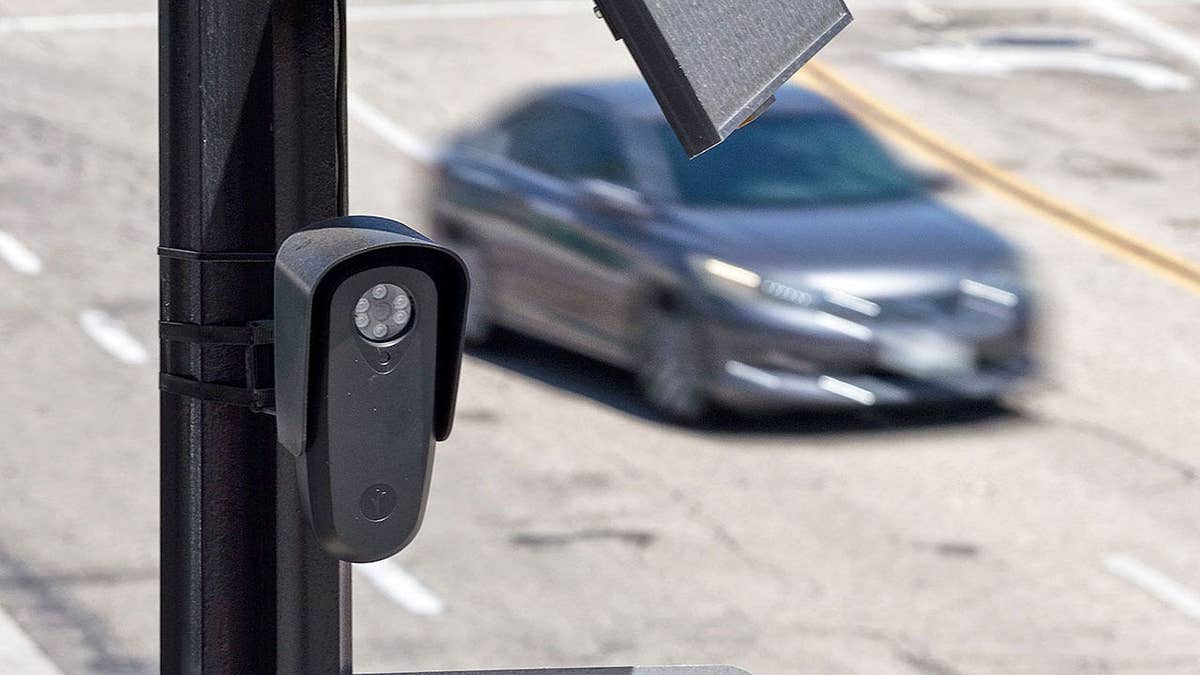
Senator Josh Hawley is urging Flock Safety for explanations regarding its AI-powered camera network. Concerns revolve around whether these cameras contribute to a national database tracking Americans’ movements. Currently, many communities are discontinuing the use of this technology due to privacy worries.
Hawley stated that Flock has established an extensive surveillance network with over 120,000 cameras in 49 states and conducting more than 20 billion vehicle scans every month. He is investigating access to the data collected by these cameras and its usage.
“Flock has assembled an unprecedented national surveillance network,” Hawley said.
Robert Frommer, director at the Institute for Justice’s Project on the Fourth Amendment, highlighted worries about the police’s ability to access individuals’ movement records without judicial approval. Frommer emphasized the need for requiring a warrant before such searches.
“The No. 1 reform needed here is a warrant,” Frommer said.
Protests have arisen, with critics expressing concerns over mass surveillance and privacy issues related to automated license plate readers. Frommer acknowledged that while police may need urgent access in emergencies, procedural justification should follow such instances.
Hawley has formally begun an inquiry into Flock by sending a letter to its CEO, Garrett Langley. He questions if Flock’s technology transcends local investigative mandates and contributes to a national database.
“Instead of serving discrete local investigations, these camera networks pool data into a searchable national database,” Hawley wrote.
Flock Safety’s cameras scan passing vehicles and document various details, such as license plates and vehicle descriptions. These services are marketed to law enforcement and private entities.
Paris Lewbel, a spokesperson for Flock Safety, expressed willingness to collaborate with Senator Hawley, detailing how their technology operates and its safeguards.
“We look forward to providing additional context about our technology,” Lewbel stated.
The inquiry comes as several cities reconsider partnerships with Flock Safety over privacy and data sharing concerns. Pflugerville City Council recently terminated its agreement, citing a loss of confidence in Flock’s privacy standards.
Pflugerville Mayor Doug Weiss stated: “Public safety and public trust have to go hand in hand.”
Flock acknowledged settings errors in Texas but suggested these were resolved. Concerns remain about agencies controlling their data-sharing settings, which may feel misleading.
In Hood County, Texas, authorities have disconnected Flock’s cameras. Constable John Shirley expressed support for crime-solving technology but emphasized the importance of respecting privacy rights.
“Privacy isn’t optional, and mass surveillance doesn’t belong in a free society,” Shirley added.
Tempe, Arizona, has also stopped using Flock’s system, reasoning that recent misuse incidents in other areas have raised awareness about the technology’s risks.
Frommer concluded that concerns should extend to all providers of license plate reader technology, asserting the necessity for constitutional safeguards regardless of the provider.