America’s National Debt Crisis: Challenges and Solutions
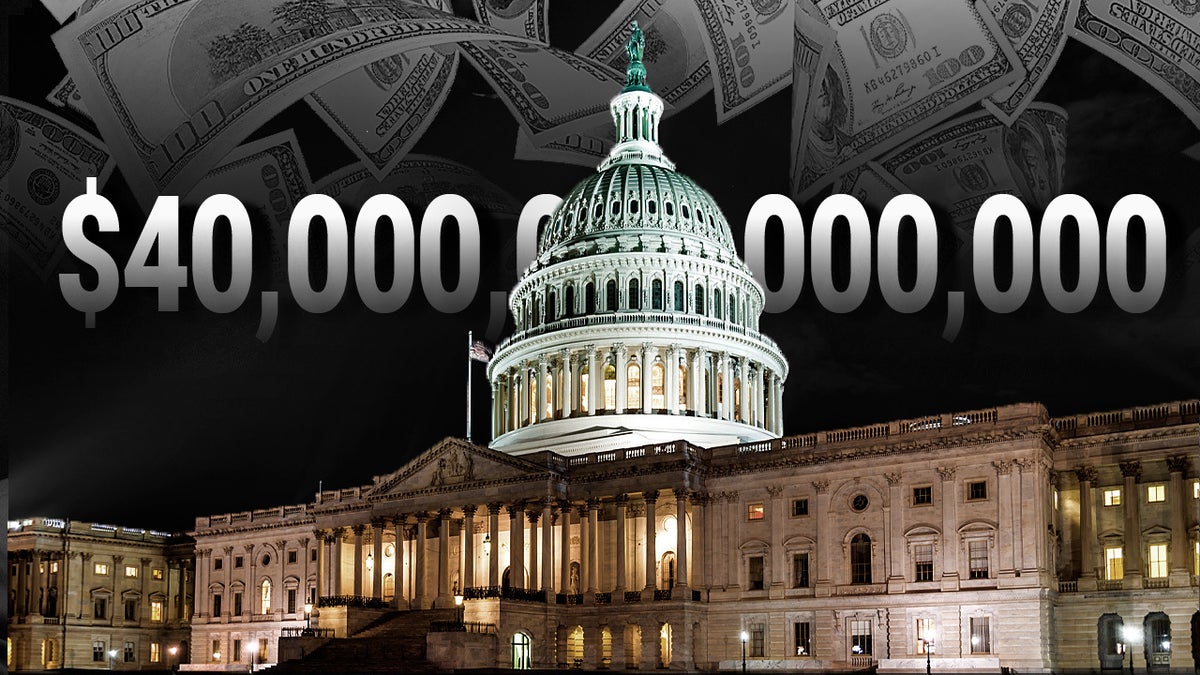
America’s national debt has reached an unprecedented $40 trillion, translating to nearly $300,000 per household. This figure highlights the urgent need for meaningful solutions. Despite increasing public debt and numerous political pledges for easy fixes, the public’s sense of emergency has wavered.
Understanding the Debt Concerns
Currently, the U.S. debt-to-GDP ratio exceeds 124%, placing it among a few countries with considerable financial strains. Notably, this group includes Sudan and Venezuela. A rising debt-to-GDP ratio suggests the U.S. is struggling to manage its debt without resorting to additional borrowing. High national debt impedes economic growth, increases inflation and interest rates, and could weaken the American dollar’s global standing.
Concrete Economic Effects of Debt
One major consequence of excessive debt is the ‘crowding-out effect.’ This occurs as government borrowing limits the funds available in the market, thereby increasing interest rates. Such dynamics restrict businesses from securing loans, affecting job creation and innovation. Individuals also find it challenging to borrow money for personal needs.
Data from the Congressional Budget Office shows that for every dollar added to the deficit, private investment decreases by 33 cents. Furthermore, an extra $1 trillion in debt reduces long-term U.S. capital stock by about 0.7-0.8%. The result is slower productivity growth and less money for Americans.
The Political Discourse
Some political figures dismiss debt concerns, advocating Modern Monetary Theory (MMT). This theory, supported by individuals like Rep. Alexandria Ocasio-Cortez and economist Bernie Sanders, claims that a fiat currency superpower like the U.S. can endlessly spend. However, critics argue this theory overlooks economic principles like the crowding-out effect and currency valuation.
Practical Solutions
Effective economic policy requires reducing federal deficits and balancing the budget to avoid unsustainable debt levels. With annual net interest costs over $1 trillion and projections to climb, urgent changes are necessary. Deficit reduction involves curbing spending growth, especially in substantial entitlement programs, while fostering economic expansion through private sector support.
Both political parties must work together to address the debt crisis. Allowing the debt to worsen ensures increased interest payments, reduced investment, diminished crisis flexibility, and a heavier future tax burden.
The decision is crucial: take action now to safeguard America’s economic future.