A Retrospective on Key Events Leading Up to 9/11: August 31, 2001
August 31, 2001: Presidential Briefings and Intelligence Updates
As the nation approached the tragic events of September 11, pivotal discussions were happening behind closed doors. Upon returning from his vacation in Texas, President George W. Bush resumed receiving intelligence briefings from CIA Director George Tenet, alongside Vice President Dick Cheney. On August 31, Tenet did not address the arrest of Zacarias Moussaoui, nor did he discuss the looming domestic threat of terrorism, in meetings with the president.
Saudi Resignation and Intelligence Implications
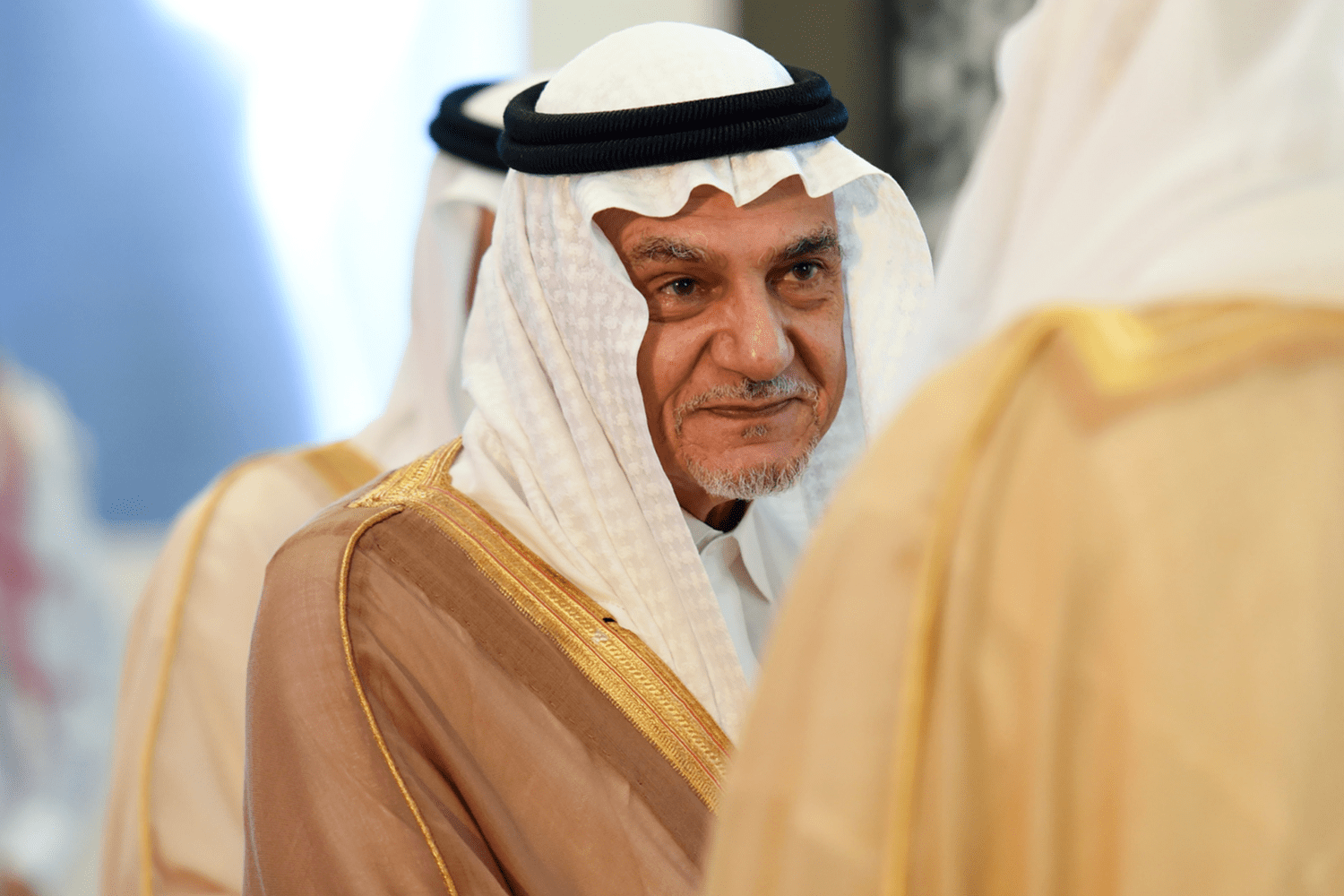
The resignation of Prince Turki bin Faisal al-Saud highlighted the classified news of the day. Prince Turki had been the head of Saudi Arabia’s General Intelligence Directorate for 23 years. This unexpected move shocked the CIA since a senior prince being removed was unprecedented for decades. Though tensions existed between Prince Turki and Crown Prince Abdullah, the resignation was not immediately linked to terrorism or displeasure with Prince Turki’s management, especially regarding Osama bin Laden.
Over the years, Prince Turki closely collaborated with the CIA, providing support for Afghan resistance against the Soviet invasion in 1979. Saudi Arabia played a crucial role in financing Arab fighters, with many young Saudi and Gulf state men participating. These fighters often saw jihad as a status symbol rather than engaging in combat.
Connections to bin Laden and Influence on al-Qaeda
Prince Turki was a key figure in connecting with a young bin Laden, who became the leader of Arab fighters and facilitated Saudi support. Some analysts suggest Prince Turki acted as bin Laden’s patron, with an alleged agreement in the late 1990s that al-Qaeda would avoid attacking Saudi domestic targets, while the Saudi government provided, or turned a blind eye to, support.
In past attacks on U.S. interests in Saudi Arabia, notably the 1995 Riyadh military compound and 1996 Khobar Towers operations, U.S. intelligence found the Saudi cooperation lacking in critical investigations. Prince Turki’s resistance also extended to Saudi exchanges on terrorist financing, especially concerning a defector who returned to Saudi Arabia from al-Qaeda.
While after 9/11, the U.S. pressured Pakistan over terrorism issues, no such measures were directed at Saudi Arabia, an important oil supplier.
Tomorrow’s discussion will cover how Clinton-era officials advised the incoming administration to engage with warlord Ahmed Shah Massoud and the anti-Taliban Northern Alliance.