FDA’s Proposed Rule: Mandatory Notification for New Food Ingredients
For nearly 70 years, food and beverage companies have been able to decide independently that a new ingredient is safe and release it into the market without informing the Food and Drug Administration (FDA). A new proposal could change this by requiring companies to notify the agency when they add a new substance to human or animal food.
Current Practices and Proposed Changes
Currently, companies can self-certify ingredients as “generally recognized as safe” (GRAS). The proposed rule aims to address an information gap that food safety experts have criticized for years, but it stops short of requiring companies to wait for the FDA to verify an ingredient’s safety before selling it.
Origins and Use of the GRAS Exemption
The GRAS exemption was created in 1958 by Congress for substances such as salt and vinegar, where formal FDA review was deemed unnecessary. Over time, this exemption has been applied to many more ingredients than initially intended.
An analysis by the Environmental Working Group in 2025 found that approximately 99% of food chemicals introduced since 1958 have entered the market through the GRAS pathway instead of the FDA’s formal food additive approval process.
Uncertainty around some ingredients’ use has created complex food safety scenarios. For example, a foodborne illness outbreak in 2022 was linked to Daily Harvest products containing tara flour, an ingredient later deemed by the FDA not to meet GRAS standards.
Impact of Voluntary Notifications
While companies can submit voluntary GRAS notifications, detailed by their experts’ assessments, these have never been mandatory for selling food. The FDA’s Human Foods Program has logged over 1,300 GRAS notices since it began accepting them in 1997.
Details of the Proposed Rule
The new proposal would make the FDA’s voluntary GRAS notification program mandatory. Companies would have to inform the FDA of their basis for deeming a new substance safe for its intended use.
However, skipping this step doesn’t automatically prevent selling the substance, although the FDA might prioritize substances lacking notification for post-market safety review.
Critics note this does not amount to a full safety review involving scientific data gathering and public comment submission.
The proposal also addresses ingredients already in use under self-affirmed GRAS determinations. Companies would have one year to streamline submissions for these ingredients, although no safety data would be required.
Concerns on Implementation and Impact
There is concern about whether the FDA has the resources to evaluate all notices. The lack of independent scientific review by the FDA remains a point of contention.
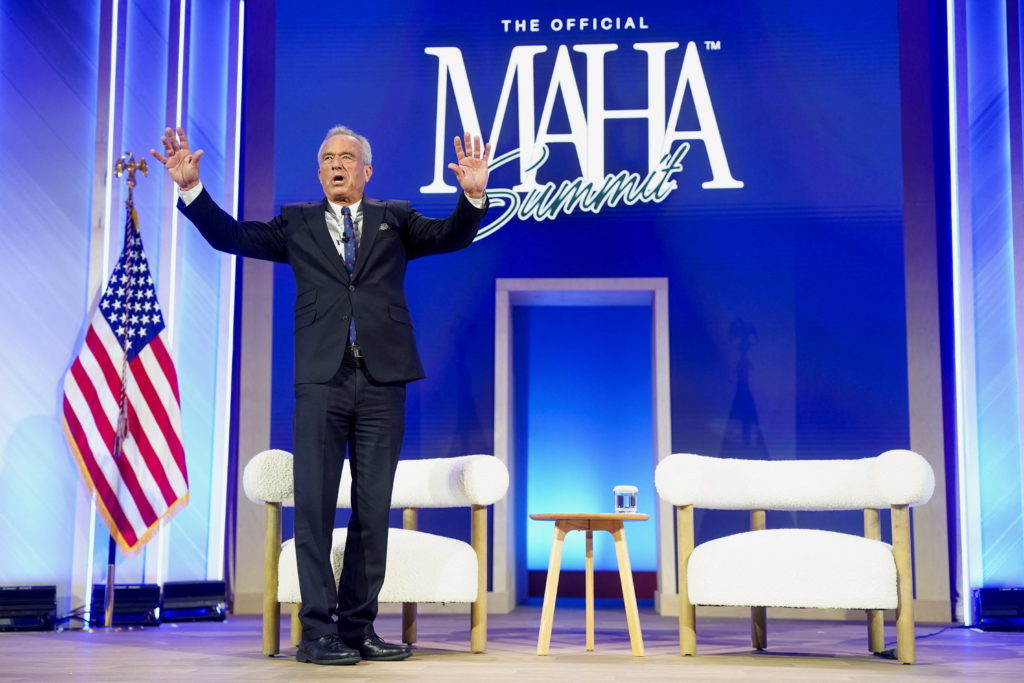
The GRAS proposal part of the MAHA initiative focuses on chemicals and additives in the American diet, aiming to modernize the regulatory oversight.
Public Involvement and Projected Timeline
The proposal is open for public comment through December, and any final rule issued will consider these comments. The process might alter the proposal before its adoption.
The timeline for implementing a final rule, even by 2027, would be swift for such regulatory changes.
Opposition is likely from industry stakeholders and those against increased regulation, focusing on enforcement, staffing, and whether notification sufficiently addresses the rule’s safety concerns.
Importance of Transparency
A more comprehensive overhaul would include a public database of GRAS determinations and independent FDA evaluations of supporting evidence.
Nonetheless, the proposal could provide enhanced transparency regarding the ingredients entering the food supply under the GRAS exemption.
Knowing better what’s in the food supply can lead to safer determinations instead of relying solely on industry declarations.