Gregory Bovino’s Retirement Amid Investigation
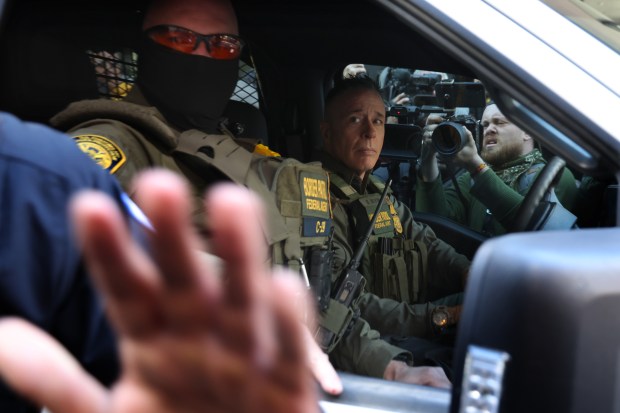
Gregory Bovino, formerly the Border Patrol chief, retired during an ongoing investigation into his conduct during immigration enforcement operations in Minneapolis and Chicago. Records released by the federal government reveal details of the investigation. In early March, an internal government watchdog contacted Bovino regarding allegations of misconduct reported to Customs and Border Patrol (CBP). Official emails from CBP show Bovino was asked to acknowledge receipt and respond to questions. These emails were sent on March 2. Shortly after, on March 18, Bovino informed officials of his decision to retire and relocate. He officially retired later that month, following his involvement in controversial operations such as Operation Midway Blitz in Chicago and Operation Metro Surge in Minneapolis.
In a direct message, Bovino stated that the investigation aimed to force his retirement. The reasons for the release of these emails remain unclear. CBP published them on their Freedom of Information Act portal as frequently requested records. The records indicate concerns about federal judge Sara Ellis’s previous findings, which labeled Bovino’s testimony as ‘not credible’ in a court case regarding civil rights violations by agents during protests.
Judge Ellis observed that Bovino appeared evasive during his deposition, often giving ‘cute’ responses or outright lying. The federal official’s letter to Bovino also asked him to comment on what should happen when a Border Patrol agent’s credibility is undermined by a judge. The questioning referenced the Supreme Court case Giglio v. United States, which mandates disclosure of compromised credibility due to dishonesty, misconduct, or bias.
The inquiries stemmed from a lawsuit involving media groups against the federal government over its treatment during protests. The lawsuit led to Judge Ellis’s preliminary injunction limiting federal agents’ use of tear gas and chemical munitions against the media and protesters, while requiring body cameras and identification for agents.
Comments allegedly made by Bovino in January during a meeting with the U.S. Attorney’s Office in Minneapolis were also part of the investigation. He was questioned about remarks pertaining to prosecutors’ participation due to religious observance and about comments referencing Jewish people.
Bovino contested the accusations, stating that investigations were fabricated after his departure from Minnesota. He claimed false allegations of lying to Judge Ellis and indicated favorable rulings from one review board, before being subjected to another round of scrutiny by CBP commissioner Rodney Scott.
Bovino learned about alleged antisemitic comments from media sources, highlighting the unprecedented nature of media awareness of an investigation before his own. After hiring legal counsel, he labeled the process a political attack.
Since leaving the government, Bovino has criticized the Trump administration’s immigration approach in interviews and social media. He accused officials of removing his security detail, suggesting a desire to make his working conditions intolerable, leading to resignation. His statements reflect his views on internal controversies and criticisms of specific individuals like Tom Homan and Rodney Scott.