Concerns Over Census Bureau’s Scientific Integrity Under Trump Administration
Political Interference Concerns at the Commerce Department
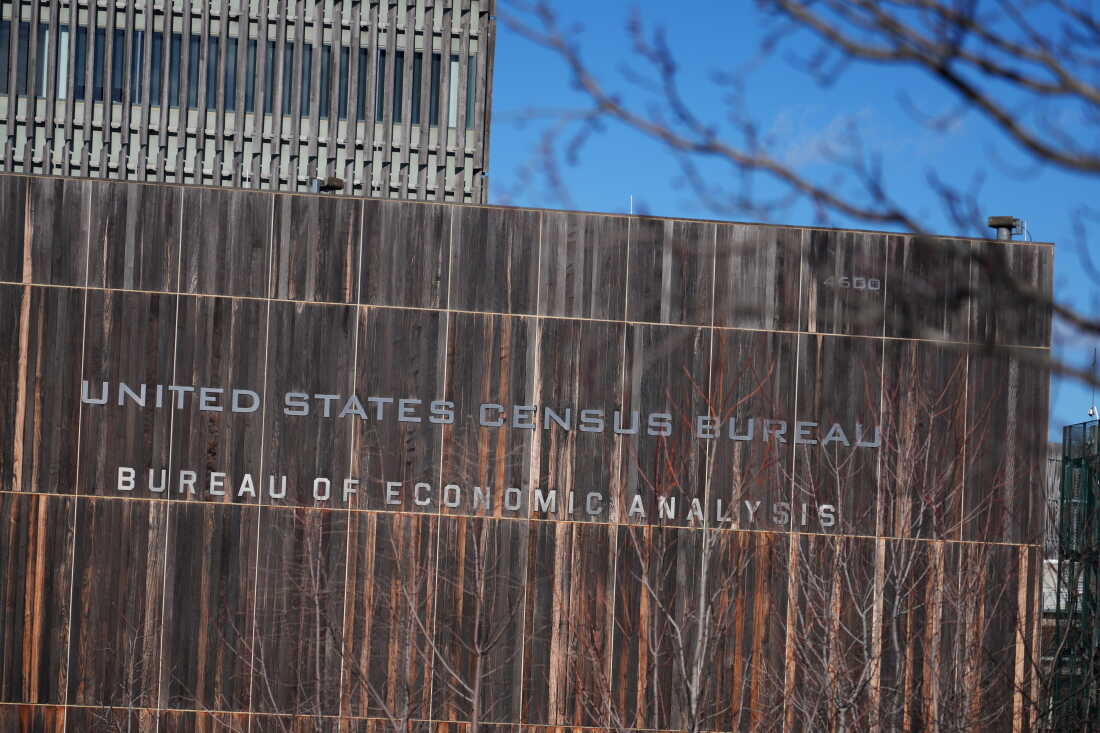
The Trump administration removed language banning political interference from the scientific integrity policy of the Commerce Department, which oversees the Census Bureau and the Bureau of Economic Analysis. This change has sparked concerns about the reliability of Census Bureau information. The policy revision occurred quietly on August 19, soon after the bureau released a controversial report about non-U.S. citizen voting.
Implications for Statistical Agencies
The new policy affects agencies like the National Oceanic and Atmospheric Administration and the Bureau of Economic Analysis. Former Census Bureau officials and data experts have raised alarms about political influence as preparations begin for the 2030 national head count, affecting political representation and federal funding.
The 2025 version of the policy aimed to protect scientific findings from political interference, ensuring independent review of scientific activities. The revised policy omits key language on protection from inappropriate influence. This omission has raised concerns among experts about the weaponization of the Census Bureau.
Expert Concerns
Nancy Potok, a former deputy director at the Census Bureau, views the policy change as significant. She believes it removes essential safeguards against political interference and undermines efforts to produce trustworthy federal information. Despite the “Trust Regulation” requiring objectivity and impartiality in statistical activities, the revision seems to contradict it.
“There is a conscious effort to revise the department administrative orders and exclude important elements,” Potok notes.
Robert Santos, former Census Bureau Director, highlights the striking timing of the policy revision and an unauthored report on noncitizen voting. He suggests the change might rationalize publishing an external partisan document without transparency or expert input.
Recent Alarming Changes
The Trump administration recently banned a long-used data privacy technique, delaying new estimates from the American Community Survey. This move could reduce data availability about smaller populations and rural communities. Proposed changes to the 2030 census further heighten concerns.
These developments follow a reduction in the federal workforce, depleting skilled statisticians and economists. The revised policy introduces a new system for investigating violations but diminishes the role of department lawyers.
Beth Jarosz, vice president of the Association of Public Data Users, remarks on the potential for interference. The new rule’s structure allows pressure on staff to influence outcomes, weakening existing safeguards.
“The guardrails, if present, are weaker than ever,” Jarosz says.