Helping Children Develop Healthy Sleeping Habits
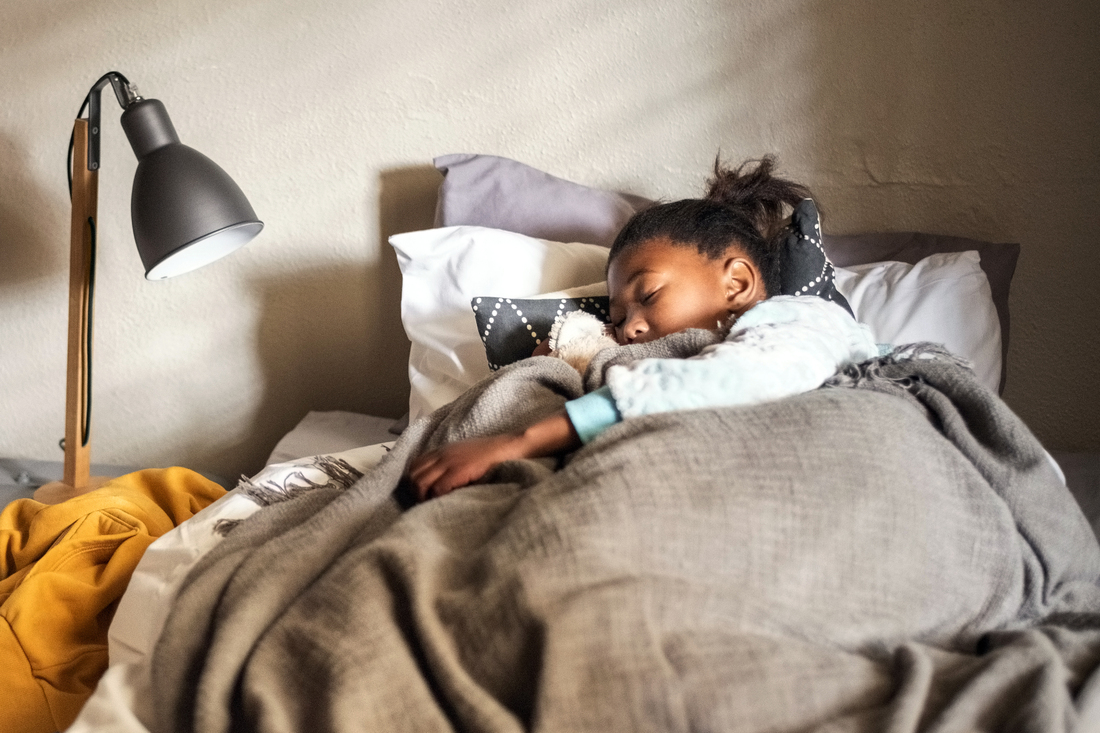
Getting adequate sleep aids focus, information retention, and bolsters your immune system. For children, these benefits of quality sleep are often overlooked. Many parents find it challenging to get their kids, aged five to 11, to smoothly transition to bedtime. Dr. Nilong Vyas, a board-certified sleep consultant and pediatrician, offers insights from her experiences with her children. She runs Sleepless in NOLA and shares tips on establishing healthy sleep patterns that benefit families.
Establish a Bedtime Routine
Quality sleep is crucial, yet not always easy to achieve. Life Kit offers guidance for optimal sleep. Vyas suggests starting with a routine for the entire family. This routine might include turning off screens, spending quality time together, changing into pajamas, brushing teeth, and saying goodnight. Consistency in bedtime schedules provides benefits beyond sleep duration.
“Reliable sleep hygiene habits allow kids to excel at school and in life,” says Vyas.
Develop a routine tailored to your family. Vyas highlights three priorities: ensuring enough sleep, establishing a consistent bedtime, and maintaining the same wake-up time, even on weekends. These strategies can improve children’s sleep habits.
Limit Screen Time
Screens can interfere with sleep due to bright light, explains Vyas. Blue light from devices affects melatonin production, delaying sleepiness. Turning off TVs, iPads, and phones at least an hour before bed can help. During this time, keep school and play materials out of the bedroom to promote sleep associations.
Consistency Matters
Consistent routines are key to better sleep. When implementing a new routine, sticking with it for three to four days can lead to behavioral changes in children. A study by the American Academy of Sleep Medicine reviewed over 800 articles, recommending nine to 13 hours of sleep for children and eight to 10 hours for teenagers for optimal health.
Creating the right sleep environment aids bedtime consistency. Vyas suggests blackout curtains, sound machines, and maintaining room temperature between 67 and 69 degrees Fahrenheit for deeper sleep. While not all homes can meet these conditions, small adjustments can enhance your family’s well-being.
Prepare for Bedtime Disruptions
As bedtime approaches, pay attention to your child’s cues. When they seem tired, start the routine promptly. Delays can lead to children feeling overtired but not sleepy, leading to procrastination behaviors.
“Children may ask for extras like another hug, a trip to the bathroom, or a Band-Aid,” Vyas remarks.
An early start to bedtime routines can mitigate these behaviors. Vyas suggests a bedtime checklist, including typical pre-sleep requests like water or storytime. This checklist acts as a reminder for parents that children’s needs are addressed, allowing parents to gently decline additional requests.
Dr. Vyas’ checklist is available to guide you in creating effective sleep schedules. For more tips and tricks, contact Life Kit through voicemail at 202-216-9823 or email [email protected]. Your suggestion might feature in a future episode. Sign up for the newsletter for additional insights.