Property Disputes and Health Concerns in Old Town Neighborhood
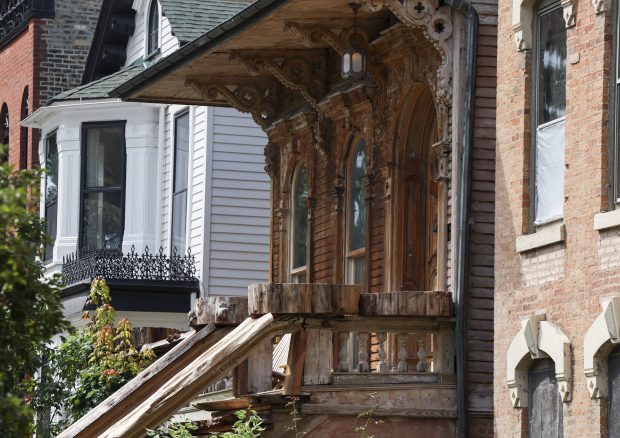
Elizabeth and Hunter Case envisioned a vibrant family life in their Old Town home, complete with children playing in the open space and holiday traditions. Unexpectedly, their experience living next to the historic Wacker House turned into a series of challenging events involving doctors, police, and legal issues.
Historic Property Concerns
For years, the homeowner of the Wacker House has been making unauthorized changes to the property, impacting its historic integrity and neighbors’ safety. The Wacker House, standing for over 150 years, is part of the North Side’s legacy, dating back to the Great Chicago Fire. The home is protected nationally and locally, supposedly ensuring any renovations are vetted and conducted with care.
Since 2023, construction activities have led to over 25 service requests, three stop work orders, and federal inspections. The Cases, who live next door, have dealt with serious repercussions. Right from the start of construction, their home life changed drastically. Their daughter suffered lead poisoning, linked to improper lead paint removal by the neighbor, according to medical records.
Impact on the Case Family
The Cases experienced frustration in their attempts to stop the unauthorized construction. They reported feeling ignored and confronted with indifference from authorities. Despite efforts from local groups like the Old Town Triangle Association, construction persisted. Legal documents show the owner, Michael Gancarz, has been in foreclosure since 2025.
It’s like spinning our wheels.
Elizabeth expressed the futility of their efforts. The Cases chose the neighborhood for its historical charm. The area’s German roots include Frederick Wacker, an early beer baron whose family established the Wacker House. Despite its history, unauthorized renovations threaten the legacy.
Concerns Over Lead Exposure
The Cases remember renovations beginning in 2022, with noticeable paint removal by spring 2023. Concerns grew over pollutants affecting their property and their young daughter. Despite communicating concerns about dust and debris, construction impacts continued, resulting in elevated lead levels in their daughter’s blood.
Elizabeth’s texts in June 2023 expressed their anxiety about possible lead exposure due to improper paint removal. Toxic lead, common in older paints, poses serious risks, especially to children. By November, their daughter’s blood tests showed elevated lead levels, prompting a city health inspection that identified hazards in both properties.
Official Responses and Challenges
Chicago’s landmark ordinance requires building permits for alterations to protected properties. Yet, since 2012, permits for the Wacker House have made allowances for minor renovations like paint removal and porch repair, not structural changes. Violations of construction regulations on lead safety have led to multiple service requests and intervention attempts by city officials.
Despite interventions, construction continued after a stop work order in December 2023. The Cases temporarily relocated to mitigate lead exposure in their home. Further inspections reiterated lead hazards, but access limitations hinder comprehensive city enforcement.
Efforts for Resolution
Several city departments engaged after numerous complaints but faced entry denial from the homeowner for inspections. Federal and state agencies, including the EPA, examined potential lead violations. At present, the Cases believe resolution might finally come through court actions rather than previous interactions with officials.
Public appeals for preservation by neighborhood associations highlight the importance of maintaining historical integrity, although community frustration lingers over enforcement limitations.
Continued family concerns and future action
Despite temporary abatement of construction, activity resumed on the Wacker House’s roof, raising safety concerns anew. Legal avenues presented a difficult choice, given potential financial repercussions and property status.
The Cases focus on their children, particularly their eldest, whose lead levels have since normalized. They prioritize making their home a safe environment amid ongoing uncertainties. Elizabeth’s greatest heartache remains the potential long-term impact on their children’s health.
While they hope for court enforcement regarding neighbors’ compliance, they reflect on the inadequacies faced during their attempts to protect their child’s well-being. The couple’s commitment is building a nurturing home with love and safety, controlling what they can.