Challenges in North Carolina’s Hurricane Recovery Programs
Long Delays in Home Rebuilding Efforts
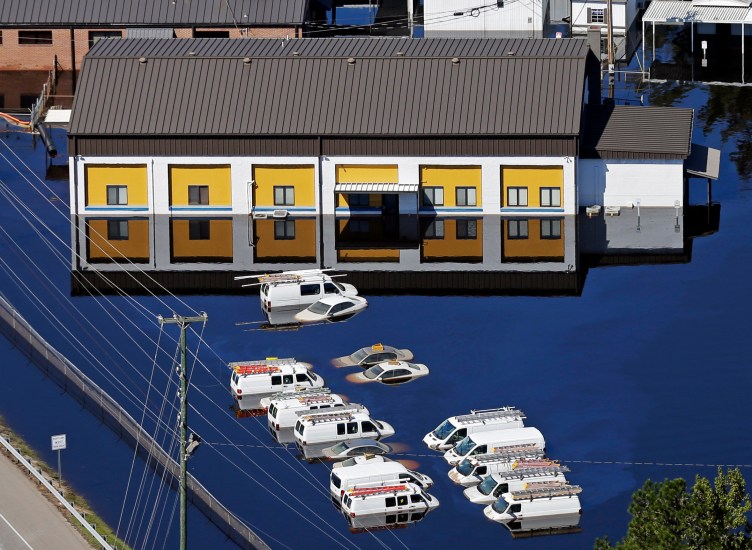
A North Carolina rebuilding program designed to help families affected by hurricanes Florence and Matthew has left hundreds waiting for over seven years to return to their homes. The struggle stems from managing expenses and contractor accountability, prompting the governor to initiate a new recovery program for Hurricane Helene. However, issues like strict regulations and inadequate staffing continue to emerge.
Personal Stories and Frustrations
Willa Mae James experienced the long wait firsthand, spending 459 days in a hotel before her home reconstruction began. Her home, damaged by Hurricane Florence in 2018, saw floors disintegrate due to floodwaters. Among over 10,000 applications, 3,100 families were still waiting for construction five years post-storm.
James described this period as akin to imprisonment, noting the sense of isolation as other homeowners returned home, while she remained displaced. Now, nearly 5,000 homeowners affected by Hurricane Helene await state assistance under the newly launched Renew NC program.
Renew NC: Learning from Past Program Failures
Renew NC commenced operations with applications being accepted as of June, but similar issues from the previous ReBuild NC program are resurfacing. Supervisory failures plagued ReBuild NC, including mismanaging its $779 million budget, tracking expenses poorly, and failing to ensure timely contractor work.
State Auditor Dave Boliek criticized ReBuild NC’s response to previous hurricanes, emphasizing an excessive focus on procedures over practical rebuilding efforts. Reports highlighted administrative inefficiencies and conditions that forced costly repairs when cheaper alternatives existed.
Efforts to Improve and Persistent Challenges
Gov. Stein’s Renew NC attempts to offer better financial oversight and engagement with stakeholders. Yet, homeowners face challenges, such as demolition being favored over repairs and staffing shortages in counties. Stephanie McGarrah from Renew NC argues that each disaster presents unique challenges, and the program is adapting policies accordingly.
Historical Rebuilding Challenges
“I would like to get in a room and talk to them about what were you thinking?”
Kath Durand experienced building plan complications, finding herself dropped from ReBuild NC after it couldn’t accommodate her property’s size. Such delays have led to legislative scrutiny, resulting in leadership changes within ReBuild NC.
Behind the scenes, ReBuild NC failed in contractor accountability, invoice verification, and managing funds effectively, according to audits.
The Human Impact
Individuals like James faced hardship with her husband’s health issues amid the wait, stirring doubts about whether the rebuilding would ever happen. Other homeowners died during the relocation process or continue to face uncertainty regarding their home repairs.
Reforms Under Renew NC
Renew NC introduced reforms such as relocating its office closer to disaster sites. It employs a unified vendor approach for administration, contrasting previous layered vendor methods that caused delays.
Despite changes, the program’s development has confronted ethical questions, particularly concerning previous affiliations and contributions from advisers. The administration maintains there is no conflict of interest.
Challenges in Temporary Housing
Renew NC has avoided high costs associated with temporary relocation, leaving homeowners to cover costs. This omission raises concerns about affordable living opportunities during rebuilding phases.
Local governments struggle with inspector shortages, delaying necessary permits for repairs and reconstructions. The state requires collaboration with local entities to address housing and inspection bottlenecks.
Individual Case Studies and Project Evaluation
Chuck Brodsky, facing expensive land stabilization costs, finds his options restricted under Renew NC’s rules, which lean towards demolition instead of repair. Such scenarios highlight complexities in property evaluations within disaster recovery.
As Renew NC endeavors to assess and repair affected areas, homeowners remain hopeful for efficient and expedient assistance.