Challenges and Disparities One Year After Hurricane Helene
One Year After Hurricane Helene: FEMA Assistance and Disparities
Hurricane Helene left a path of destruction, prompting many to seek aid from FEMA. However, disparities emerged in the distribution of assistance. In some North Carolina counties, higher-income homeowners received significantly more aid than those with lower incomes.
FEMA’s Response and Challenges
Under the Trump administration, FEMA saw a reduction in workforce, affecting the application process improvements. This has made applying for aid particularly difficult for many, as illustrated by the experiences of Brian and Susie Hill, and others.
“Disasters pull back the curtain on inequity,” said Sarah Labowitz, highlighting the challenges lower-income households face during recovery.
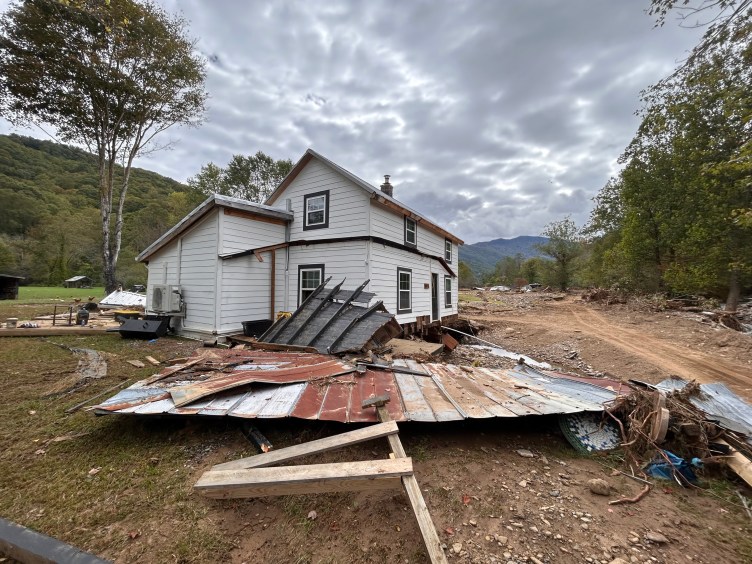
The Hills, whose home was devastated by the storm, eventually received substantial FEMA aid, but only after persistent effort. Others faced complications; for example, miscommunication led to application withdrawal notifications without explanations.
Economic Disparities in Aid Distribution
An analysis indicated a strong correlation between income levels and FEMA housing assistance amounts, with wealthier households often receiving more aid. This is contrary to FEMA’s stated mission to provide aid based purely on need, not income.
Michelle and Jeff Parker, who faced severe losses, illustrate this discrepancy. Despite needing aid, they received minimal initial assistance and encountered significant administrative hurdles.
Challenges in Application and Appeal Processes
Applying for FEMA aid involves navigating a complex bureaucratic system. This can be especially taxing for those without reliable internet or who are distrustful of federal aid processes.
Alicia Edwards, of Legal Aid of North Carolina, notes the systemic disadvantages faced by impoverished communities in accessing disaster relief.
FEMA Improvements and Ongoing Issues
Efforts have been ongoing to improve FEMA’s application process, including eliminating some restrictive requirements and updating inspection protocols. However, administrative and staffing issues under past leadership have hindered progress.
Despite these challenges, some residents in affected areas managed to rebound thanks to initial aid and local volunteer support. The Hills have begun rebuilding, with significant progress noted in returning their house to livable conditions.
Yet, many residents, like Michelle Parker, face uncertain futures as they continue to struggle with the aftermath of Hurricane Helene, raising questions about equitable disaster recovery and support systems.