Supporting Teens Through Emotional Challenges
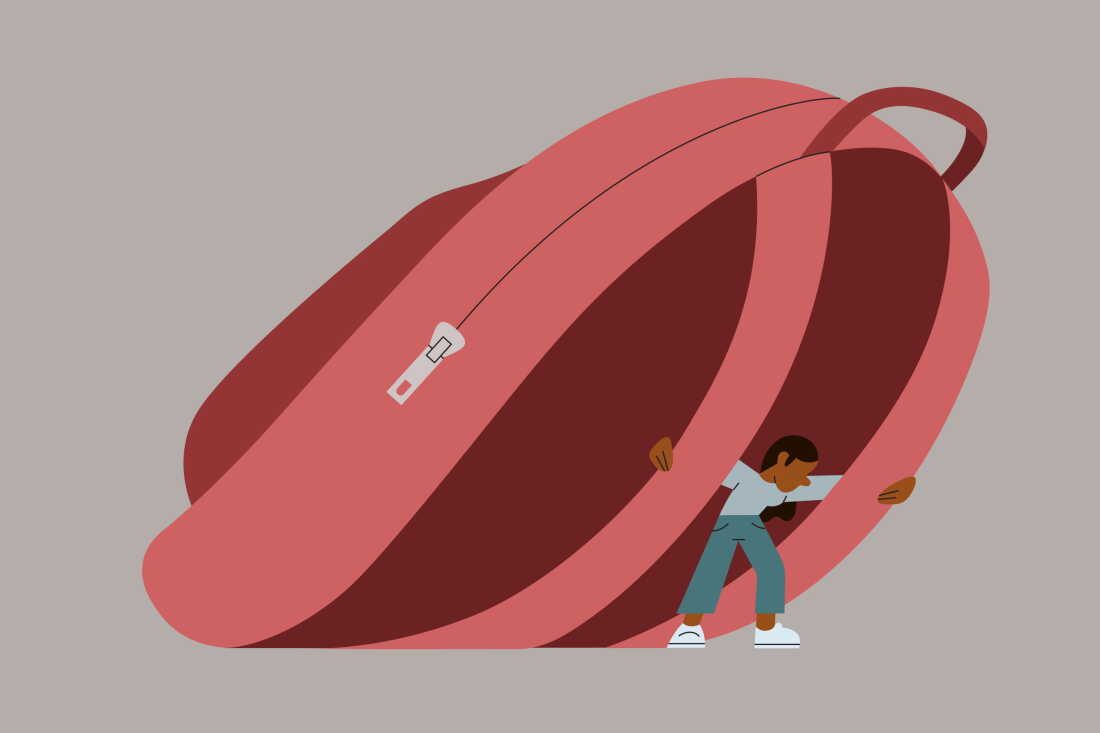
A New School Year: Navigating Change
The start of a new school year often triggers significant changes for pre-teens and teens, including new routines, adjusted class schedules, and evolving friendships both online and offline. Parents play a crucial role in guiding their children through these transitions by comprehending their feelings and providing appropriate support.
Survey Insights on Gen Z Emotions
A recent survey conducted in July 2024 by the Walton Family Foundation and Gallup, alongside teen psychologist Lisa Damour, explored the emotional state of Gen Z. The survey involved 1,675 children aged 10 to 18 and their guardians. Results indicate that Gen Z kids face considerable pressure to achieve perfection, experiencing heightened negative emotions such as anxiety, especially among girls and teens.
Damour highlights the unique challenges faced by this generation, stating, “We’re demanding academic excellence while they navigate a taxing social media environment.” Furthermore, about two-thirds of Gen Z youth express concern about their future prospects.
Addressing Perfectionism
Approximately one in three Gen Z youths struggles with perfectionism, with significant impacts on self-esteem. The study shows that those driven by perfectionism are more likely to feel anxious, sad, and stressed. Damour advises parents to help teens become comfortable with making mistakes, suggesting, “Encourage them to acknowledge mistakes while maintaining positive self-regard.”
Parents should convey that perfection is not necessary, which might alleviate associated negative emotions.
Communication with Teens
The survey reveals that about one in six parents finds it difficult to comfort or communicate with their upset child, mistakenly believing teens are unreceptive to conversations. Damour emphasizes the importance of discussions, as teenagers value and require adult input.
“When unsure, listen,” she advises, noting that teenagers prefer adults to take their feelings seriously over offering advice. Using natural conversational openings can facilitate meaningful dialogues.
Emotional Roller Coaster
The research portrays the complex emotional landscape of young individuals, with many exhibiting happiness alongside stress, anxiety, and sadness. Damour clarifies that intense emotional experiences are normal and indicative of development, not problems.
Parents can better manage these emotional variations by aligning responses with events and encouraging effective coping methods utilized by children, such as exercising or spending time with pets. Harmful coping mechanisms, however, warrant concern.
This digital story was curated by Malaka Gharib and edited by Andee Tagle and Meghan Keane, with visual contributions by Beck Harlan.
Contact: [email protected]
Listen to Life Kit on Apple Podcasts and Spotify, or subscribe to the newsletter.