Controversy Surrounds Harvard’s Anti-Racism Resource Page
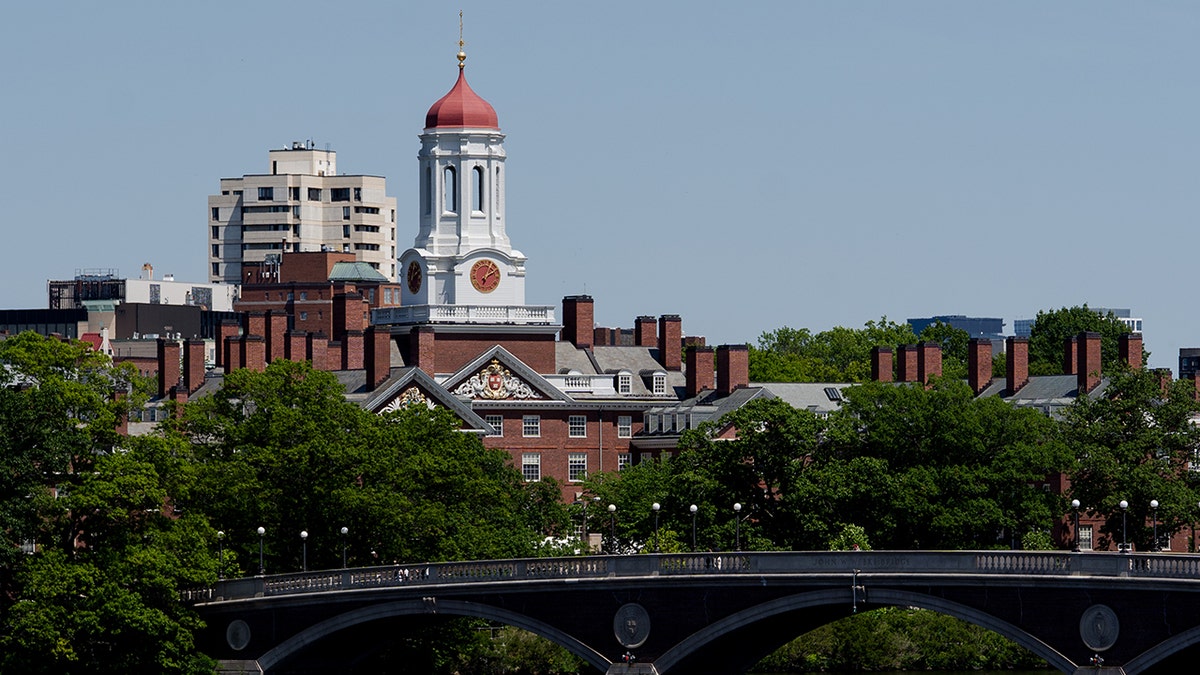
A webpage at Harvard University, designed to support parents of enrolled students, offers “anti-racism resources.” This includes books by authors who have faced criticism for promoting anti-White views. Notably, the list features works by Ibram X. Kendi and Robin DiAngelo.
Highlighted Authors and Their Views
Ibram X. Kendi, originally named Ibram Henry Rogers, is known for making racially charged remarks about White individuals. His book, “How To Be An Anti-Racist,” proposes that discrimination is acceptable if it advances equity, while deeming discrimination wrong if it fosters inequity. He has expressed that the remedy for past discrimination is present discrimination and that for current discrimination is future discrimination.
Kendi has previously been noted for his critical stance on “whiteness.” During a film screening in 2023, he commented on how constructions of whiteness hinder White people from connecting with humanity. His views have generated significant debate.
Robin DiAngelo’s book “White Fragility” argues that White people have been conditioned to feel superior and states that racism is a problem created by and benefiting White people. She claims White people are always racist and challenges readers to consider how racism manifests in various situations.
Additional Resources and Backlash
The resource page also includes “Me and White Supremacy” by Layla Saad and “Raising White Kids” by Jennifer Harvey among others. A spokesperson clarified that this page was set up by staff more than five years ago and is not an official Faculty of Arts and Sciences resource.
The list also features resources for teaching young children “anti-racism,” such as Kendi’s “Anti-Racist Baby.” This book is described as a tool to introduce the concepts and importance of antiracism to young readers.
Harvard’s Ongoing Challenges
Harvard has encountered concerns about anti-White sentiments within its community. Gregory Davis, a former dean at Harvard, was removed from office following the exposure of various anti-White and anti-police social media posts. These posts spanned from 2019 to 2024, often voicing support for rioting and looting as forms of protest.
For example, Davis declared on social media that “whiteness is a self-destructive ideology.” In 2020, amid rising tensions following George Floyd’s death, he criticized police officers on the platform. Furthermore, around the time President Donald Trump contracted COVID-19, Davis expressed harsh sentiments toward him online.