House Votes on Amendment to Fix Supreme Court Size
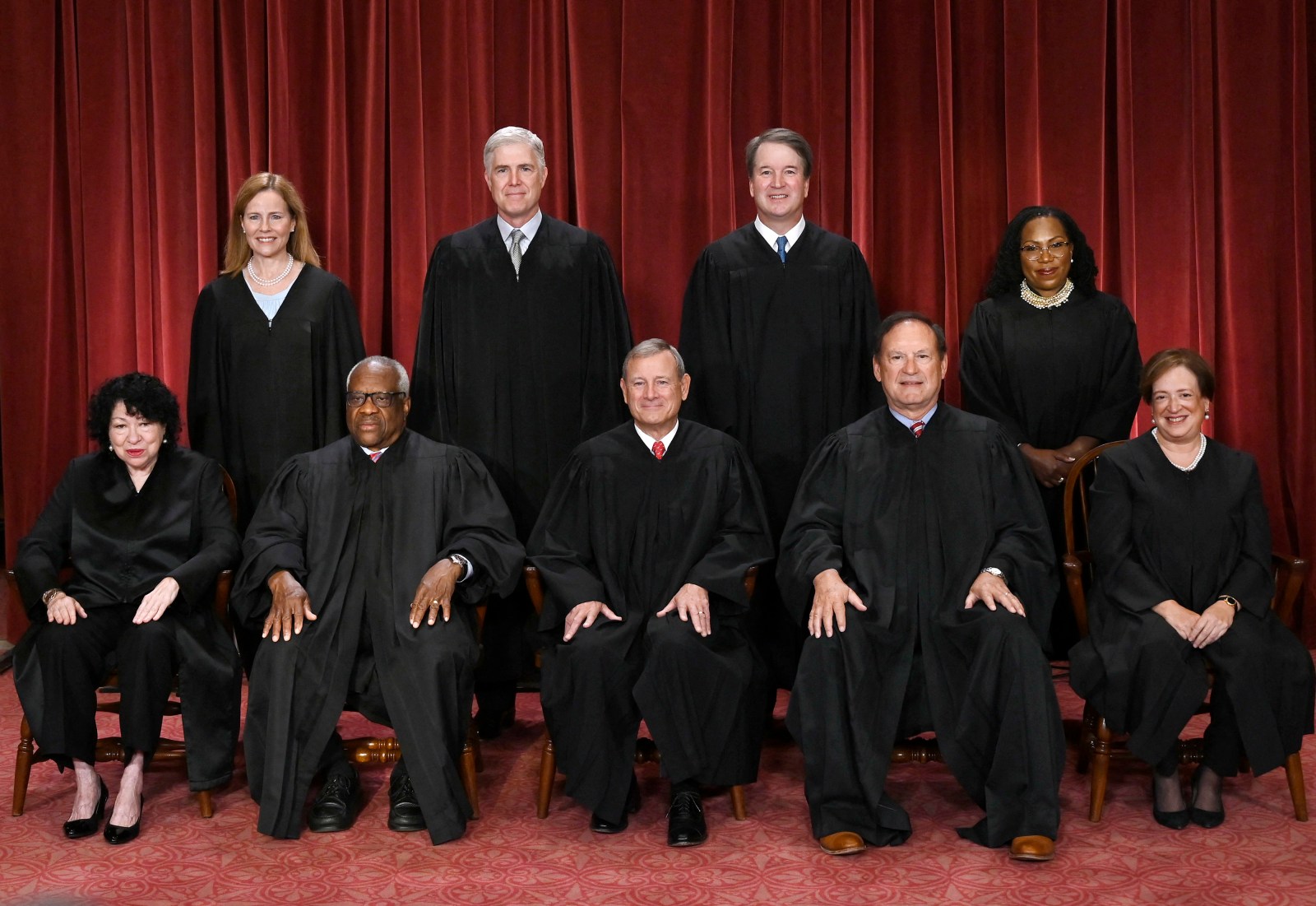
The House of Representatives held a vote on Wednesday regarding a proposed constitutional amendment. This amendment aimed to permanently fix the number of U.S. Supreme Court justices at nine. This issue is a significant point of debate within the judiciary’s political discussions.
The amendment, known as the “Keep Nine Amendment,” sought to include the current size of the court in the U.S. Constitution. Presently, federal law governs the issue of court size. Republicans used this as an opportunity to challenge Democrats, amid ongoing discussions about potentially expanding the Supreme Court.
Republicans unanimously supported the amendment. Nonetheless, they fell short of securing the necessary two-thirds majority for passage. Only one Democrat, Representative Don Davis of North Carolina, voted in favor of the amendment.
Supporters of the proposal argued that a fixed number of justices would prevent attempts to alter the court’s size in the future, avoiding actions to “pack” the court. Ensuring the number remains at nine, they claimed, would shield the court from political influences and maintain the structure that has lasted over 150 years. The current court setup is grounded in the Judiciary Act of 1869.
Democrats, represented by voices like Representative Jamie Raskin, criticized the current court as partisanship-based, tracing the situation back to actions by Republicans and former President Donald Trump.
In total, the amendment needed 290 votes to achieve the two-thirds majority threshold required but gathered only 212 votes.
Historical Context of Supreme Court Size
The U.S. Constitution forms the Supreme Court but does not define the number of justices. Instead, Congress determines the court’s size through legislative processes. The number of justices has varied throughout history, ranging from five to ten. Since the Judiciary Act of 1869, the model of one chief justice and eight associate justices has been consistent.
Advocates for the amendment maintain that this arrangement has offered long-term stability. They warn that changing the number of seats could lead to political pushback when political control changes.
Currently, Congress can still modify the court’s size through legislation. This capacity is why many supporters see constitutional protection as essential.
Arguments for Increasing the Number of Justices
Recent years have seen increased calls to expand the Supreme Court, driven by major rulings and the court’s 6-3 conservative majority. Proponents of expansion suggest that adding justices could counter partisanship and rebuild public trust in the court.
Court expansion is one of several reform topics considered by Democrats and legal experts. Other suggestions include adopting a formal ethics code, establishing term limits, and altering recusal criteria. Advocates for reform argue these changes are vital given the court’s substantial impact on U.S. policy and constitutional interpretation.
Opponents caution that expanding the court might lead to a cycle where each party increases the number of justices to secure favorable outcomes. Such actions, they argue, would threaten the court’s independence and deepen its political entanglements.
Regarding the proposed amendment, Pennsylvania Democrat Representative Mary Gay Scanlon stated, “This would undermine our system of checks and balances.”
The Amendment Process
Even if the House approves an amendment, it faces a challenging journey. Article V of the Constitution requires a two-thirds majority in both the House and Senate before presenting the proposal to states. After that, three-fourths of states, currently 38, must ratify the amendment for enactment. Due to these strict requirements, few amendments have succeeded in U.S. history.
The amendment’s challenging prospects render the vote largely symbolic. With the upcoming midterm elections, Republicans sought to cement the Democrats’ stance on maintaining the court’s size.