NYC Public Schools Pause AI Use for Younger Students
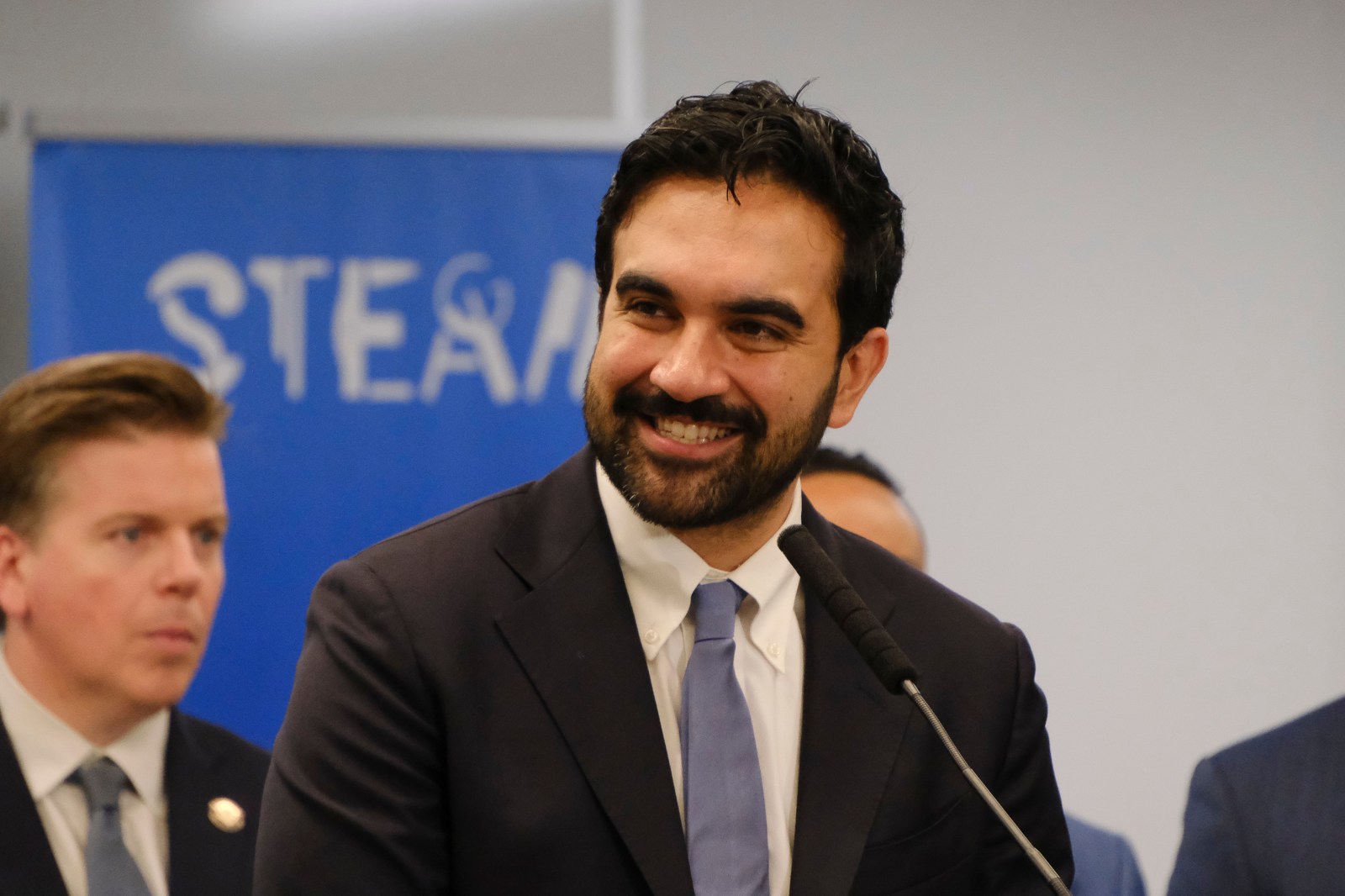
New York City Public Schools, recognized as the largest school district in the United States, has announced a one-year pause on the use of student-facing generative artificial intelligence (AI) tools through eighth grade. This decision marks a significant restriction on AI within U.S. classrooms. Mayor Zohran Mamdani and Schools Chancellor Kamar Samuels made the announcement, highlighting the need for a pause to assess AI’s impact on learning and child development.
These restrictions will affect approximately 600,000 students and include a ban on AI chatbots across all grades. Both Mamdani and Samuels stress the importance of human connection in education. Mamdani states, “Children need teachers and human connection in order to learn and grow.” Samuels adds that the district aims to protect curiosity and creativity, ensuring technology serves educational purposes.
NYC AI Moratorium Details
The policy specifically targets students from pre-K through eighth grade, impacting the public school system starting with the 2026-27 school year. The Technology in Schools coalition, comprising students, educators, and various stakeholders, will assist in analyzing the policy’s effects and release a report. Mamdani emphasizes, “The tech industry wants us to believe that AI-powered early education is necessary. We do not see it that way.”
The plan also includes five pilot programs for high school students using limited AI tools, such as Quill for English and Edia for math, allowing older students to explore AI under critical supervision.
Comparative District Policies
Meredith Coffey from the Thomas B. Fordham Institute notes that while NYC’s measures are among the strictest, other districts also have restrictive policies. For instance, Los Angeles Unified School District doesn’t allow AI for students under 13, and Fairfax County, VA bans AI in grades K-5.
Los Angeles is reducing screen time and device use over concerns about the effects of technology. Similarly, Texas’s Katy Independent School District has a 2026-27 AI framework, limiting younger students’ access to AI chat tools until foundational skills are developed.
In Virginia, Fairfax County established new AI restrictions in July. Elementary students face a complete ban, while secondary students require written authorization for use in specific projects. These steps address concerns about AI tools appearing before comprehensive policies.
Statewide AI Regulations
States like Oklahoma and Idaho are moving toward establishing broader AI regulations in schools. Oklahoma passed the Responsible Technology in Schools Act, mandating all districts to adopt AI policies by the 2027-28 school year. Idaho lawmakers directed the education department to draft a statewide AI framework, focusing on student privacy and academic integrity.
Debating AI in Education
AI’s role in education and workplaces is undeniable, making AI literacy important. Proponents argue AI can enhance brainstorming, offer personalized help, and prepare students for AI-focused careers. However, many advocate for strict guardrails, especially for younger students, to mitigate risks related to cognitive skills, social-emotional development, and privacy.
Coffey points out the possible dangers but also sees promise in educational tools purpose-built with AI, hoping for more research on their potential benefits.