Understanding the Popularity of Mayors Worldwide
Mayors and Their Unique Popularity
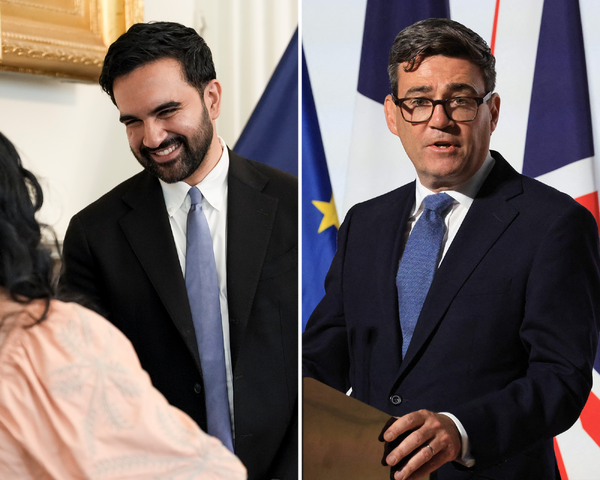
Recently, I spoke with New York City Mayor Zohran Mamdani. Notably, even after more than six months in office, Mamdani enjoys a 58 percent approval rating. This is enviable for many national leaders.
Mamdani’s success is partly due to his skill in politics and his quick implementation of popular initiatives. Yet, one must wonder if his role as a mayor plays a significant part in his popularity.
The Trend of Successful Mayors
Around the world, mayors appear to defy the recent trend of anti-incumbency. In recent years, many national politicians have struggled to maintain voter support. Yet, mayors across various political backgrounds manage to retain their positions.
In 2024, incumbents in the leading developed economies faced losses in national elections. However, some mayors have bucked this trend. For example, Eduardo Paes, a former center-right mayor of Rio de Janeiro, secured his fourth term that year, receiving over 60 percent of the votes. Similarly, Andre Dickens, a center-left mayor of Atlanta, was re-elected with an impressive 85 percent approval.
Why Do People Love Their Mayors?
Certainly, not all mayors enjoy popularity and support. Issues such as corruption or unmet expectations can turn voters away, resulting in mayors losing office like any other politician. Despite this, the number of mayors who maintain trust across party lines is noteworthy. This resilience stands out against the backdrop of rapidly declining trust in national leadership.
Exploring what makes mayors so enduringly popular could offer insights for national leaders looking to regain public trust.