Elliott Abrams Criticizes U.S.-Venezuela Oil Agreement
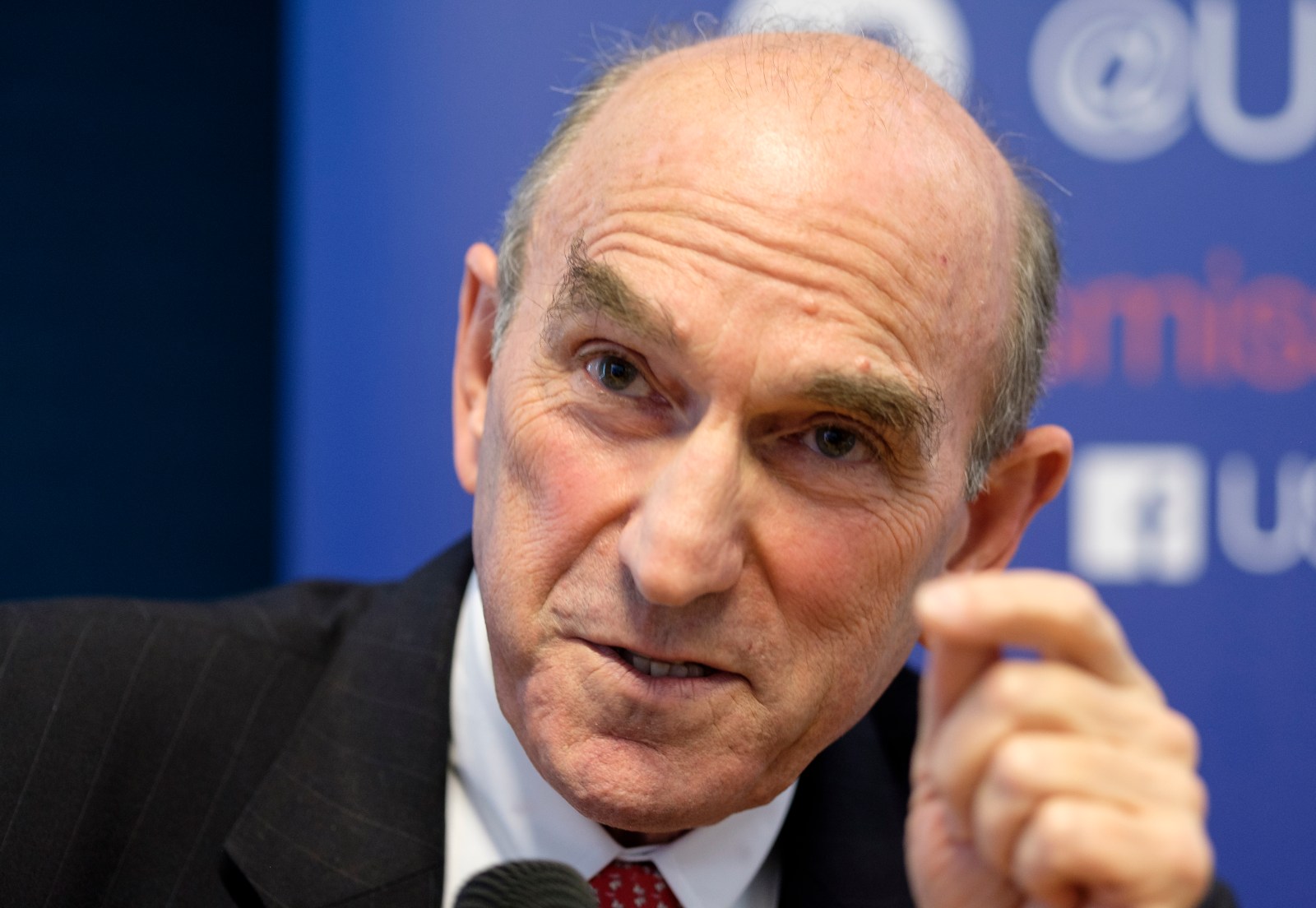
Elliott Abrams initially supported the Trump administration’s Venezuela policy, which backed Juan Guaidó as the acting president and sought the removal of Nicolás Maduro. Now, nine months after Maduro’s ousting, Abrams has become one of the administration’s critics. In a Washington Post op-ed, he described a recent oil deal with Venezuela’s interim government as a ‘shameful sellout,’ arguing that the arrangement strengthens interim President Delcy Rodríguez’s power.
The agreement allows North American Blue Energy Partners (NABEP), led by Venezuelan businessman Alejandro Betancourt, to control 17 Venezuelan oil fields for 100 years. These fields hold 65 billion barrels, equal to about one-fifth of Venezuela’s proven reserves. In return, the U.S. State Department secures the right to purchase 20% of NABEP’s production at cost, while the Department of War acquires a 35% equity stake in NABEP’s parent company.
The deal has sparked opposition across Venezuela’s political spectrum and highlighted Betancourt’s controversial background. He gained prominence during Hugo Chávez and Maduro’s tenure and faces legal challenges in Switzerland and Spain over allegations related to Venezuela’s state oil company.
NABEP, registered in Barbados, has little public history in oil markets. Despite Betancourt’s contentious record, the State Department cited his track record in defending the deal. Abrams, previously a special representative for Venezuela, expressed concerns about the deal’s implications for Venezuela’s democratic transition and U.S. interests.
Political Transition Concerns
Abrams spoke with Newsweek about the deal and its potential effects on Venezuela’s political future. He criticized the Trump administration’s lack of commitment to setting an election date and pushing for democratic processes. He attributed blame to Venezuelan leaders like Delcy and Jorge Rodríguez, as well as Donald Trump for not pushing harder for democracy.
He noted a shift from the pro-democracy stance of 2019-2020, expressing concern that the current approach favors stability and an oil deal over democratic ideals.
Role of Key Figures
During Trump’s first term, key figures like John Bolton and Elliott Abrams pushed for democratic change in Venezuela. Abrams observed that the present U.S. team, including figures like Secretary of Energy Chris Wright, seems less focused on promoting democracy and more engaged with maintaining relations with the current Venezuelan leadership.
Abrams criticized Marco Rubio’s evolving stance, noting that while Rubio initially supported democracy, his current position appears more accommodating of the Venezuelan regime due to political dynamics within the U.S.
The Controversial Involvement of Alejandro Betancourt
Betancourt’s involvement in the oil deal raises concerns due to his association with the corrupt practices of the Chavista-Maduro regime. For decades, the Venezuelan leadership engaged in corruption and money laundering. Betancourt, under legal scrutiny in Switzerland and Spain, epitomizes the business practices under Chávez and Maduro.
According to Abrams, partnering with Betancourt undermines the U.S.’s claim to a clean and transparent governance approach.
Implications for U.S. Policy
In Abrams’s view, the oil deal lacks constitutional backing in Venezuela and faces uncertainty about its long-term viability. He criticized the deal for potentially discouraging investment necessary for Venezuela’s oil industry revival.
This agreement, he argues, damages U.S. credibility in Latin America by portraying its policies as driven by oil interests rather than democratic values.
The Opposition’s View
Abrams emphasized that the deal does not reflect the broad spectrum of Venezuelan opposition. Public figures like Maria Corina Machado and political parties, including the Communist Party of Venezuela, oppose it.
He suggests that the oil deal will collapse after a potential future election due to its lack of support from the Venezuelan public.
Understanding the Rodríguez Family’s Role
Abrams highlighted the Rodríguez family’s role in helping Maduro maintain authoritarian rule. Delcy Rodríguez, a central figure in Maduro’s administration, is seen as complicit in suppressing Venezuelans and contributing to the country’s decline.
Abrams warns against trusting Rodríguez for Venezuela’s rebuilding, given her history of diminishing Venezuela’s democratic structures.
Future U.S. Actions
Abrams advises that the U.S. should press for an election date and demand the release of political prisoners and return of exiles. He emphasizes the importance of preparing for a transition through negotiations that include the military, ensuring its role in a free Venezuela.